📊 Full opportunity report: U.S.–Belgium Operations Monitor: Trade Signals And Supply-Chain Trends on IdeaNavigator AI — validation score, market gap, and execution plan.

Get business pricing on monitors, keyboards and dev gear
- Business-only prices and quantity discounts
- Tax-exempt purchasing
- Multiple users, one account, clear invoices
TL;DR
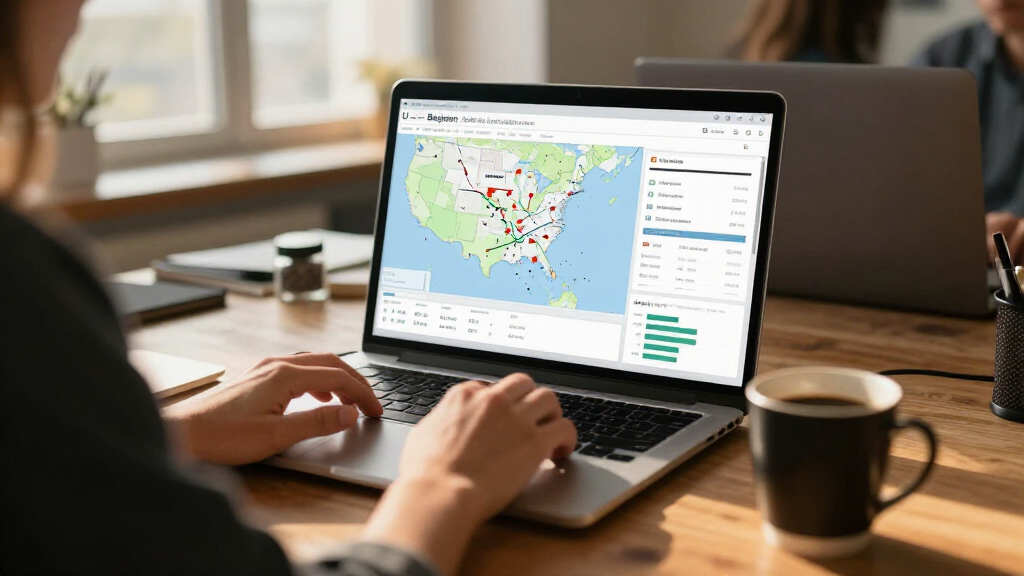
IdeaNavigator AI has proposed a narrow trade and supply-chain monitoring service for operations leads, using “United States–Belgium” as an example signal. The idea cites a Google Trends score of 88/100, but provides no date range or comparison baseline, and no evidence that the trend reflects a specific trade event or established customer demand.
IdeaNavigator AI has proposed a focused monitor that would track geopolitical and trade signals relevant to supply-chain operations leads, using “United States–Belgium” as an example topic. The proposal points to a Google Trends signal of 88/100, but does not give a measurement window or baseline, and does not identify a specific policy change, shipment disruption or other event behind the search interest.
The concept targets an operations lead managing supply-chain and trade exposure. IdeaNavigator AI describes a problem in which developments are spread across news coverage, online forums and filings, making it harder for those workers to identify changes that could affect their decisions. The proposed monitor would filter such material by role rather than provide a general geopolitical news roundup.
Its planned minimum viable product would watch Google Trends and similar feeds, then turn selected developments into short briefs organized around what changed, why it matters and what action a reader might take. The U.S.–Belgium phrase is presented as an example to monitor, not as confirmation of a particular bilateral trade development. No product has been demonstrated in the proposal.
For validation, IdeaNavigator AI suggests hand-delivering the example brief and two additional geopolitical or trade briefs to five people in the target role during one week. The proposed indicators are whether a recipient changes a decision or forwards a brief to a colleague. The proposal does not report that this test has taken place or provide results.
Testing Demand for Trade Alerts
The proposal addresses an information-management challenge for operations teams assessing whether policy, diplomatic or logistics news could affect suppliers, routes, costs or compliance. A brief linking a verified development to a specific operational consideration could help readers prioritize information from multiple channels.
The potential value remains a product hypothesis, not a demonstrated outcome. The proposed five-person trial could provide early feedback on usefulness, but its small size would not establish broad demand, accuracy or willingness to pay. The concept also depends on distinguishing confirmed developments from search activity and unverified reporting; a trend signal alone does not establish that supply chains have been affected.
Products Worth Considering

LG UltraGear 32GX850A-B 32-inch 4K UHD OLED Gaming Monitor

LG UltraGear 27-inch QHD OLED Gaming Monitor, 240Hz

DJI Mini 3 Drone with DJI RC and 3-Axis Mechanical Gimbal
As an affiliate, we earn on qualifying purchases.
From Search Signal to Brief
The proposal frames the idea as a narrow first workflow in the trade and supply-chain operations market, rather than a monitor for every geopolitical issue. It says Google Trends surfaced the U.S.–Belgium phrase with a score of 88/100 and argues that fast-moving developments may warrant same-day, role-filtered updates instead of a weekly roundup.
However, the published description does not state when that score was recorded, what geography or period it covers, or how it compares with typical interest. It should therefore be treated as a reported score, not as evidence of an increase, a looming trade change or a supply-chain disruption. The proposed business model is a subscription for operations leads seeking early, filtered information; no price, customer count or revenue is reported.
Unverified Signal and Customer Need
The proposal does not identify a confirmed event involving U.S.–Belgium trade, name affected industries or describe any resulting supply-chain impact. It is also unclear what the 88/100 score measures, when it was observed, and whether the phrase reflects news interest, routine searches or another factor. No independent corroboration or underlying trend data is included.
There is no evidence yet that the monitor has been built, that the suggested interviews or brief deliveries have occurred, or that operations leads would pay for a subscription. The proposal also does not explain how it would verify alerts, rank reliability across feeds, correct errors or handle developments that do not map neatly to a single operational decision.
Five-Reader Trial Proposed
The next step in the plan is to send three briefs to five target-role readers over a week and record whether the information changes a decision or is shared with a colleague. No launch date or completed test results are provided. Those responses would offer an initial indication of whether the format is useful, though a larger and more varied customer test would be needed to establish repeat demand.
Further evaluation would also need to clarify the Trends score’s date and baseline, identify the underlying U.S.–Belgium development being monitored, and assess whether the system can produce timely, attributable and decision-relevant alerts. Until those details are available, the monitor remains a proposed product concept rather than evidence of a current trade disruption or a validated subscription business.
Source: IdeaNavigator AI
Key Questions
Has a U.S.–Belgium trade disruption been reported?
The proposal does not document a specific disruption or trade-policy change. It uses “United States–Belgium” as an example monitoring topic.
What does the 88/100 Google Trends signal mean?
The proposal reports that score but does not give its date, measurement window, geography or comparison baseline. It cannot be interpreted from the information provided as an increase or as evidence of an operational impact.
Does the monitoring product already exist?
No working product or launch is reported. The description sets out a proposed minimum viable product that would monitor trend and other feeds and produce short, role-focused briefs.
How would the idea be tested?
The proposed test is to deliver three briefs to five people who manage supply-chain and trade exposure during one week, then track whether recipients change a decision or forward a brief. Results have not been reported.
Source: IdeaNavigator AI