The best programming books for developers depend on whether you want to learn a first language, deepen systems knowledge, or improve how you build software. I’d put The Pragmatic Programmer first overall for its broad, lasting guidance, while Python Crash Course is a standout for beginners and Fluent Python suits developers ready to sharpen their Python skills. The main tradeoff is breadth versus depth: practical cross-language advice travels well, while focused books offer more detail in a particular language or field. Career and AI books address work beyond coding, but they cannot replace a technical foundation. Read on for the full breakdown and help matching a book to your next learning goal.

Get business pricing on monitors, keyboards and dev gear
- Business-only prices and quantity discounts
- Tax-exempt purchasing
- Multiple users, one account, clear invoices
Key Takeaways
- The Pragmatic Programmer stands apart as the broadest pick for developers who want guidance they can apply across languages and projects.
- Python Crash Course offers a more accessible starting point than specialized titles such as Rust for Rustaceans or The Linux Programming Interface.
- The lineup spans very different learning goals: language fluency, systems programming, career development, software design, and the foundations of computing.
- Books focused on one technology—such as Zig, Android, or Linux—make the most sense when a current project or role gives that knowledge an immediate use.
- The comparison favors books with a clear audience and purpose over titles that try to cover every developer skill in one volume.
| Rust for Rustaceans: Idiomatic Programming for Experienced Developers |  | Best for Experienced Rust Developers | Title: Rust for Rustaceans: Idiomatic Programming for Experienced Developers | Subject: Rust programming | Focus: Idiomatic programming | VIEW LATEST PRICE | See Our Full Breakdown |
| Programming: Principles and Practice Using C++ (C++ In-Depth) |  | Best for Learning Programming Through C++ | Title: Programming: Principles and Practice Using C++ (C++ In-Depth) | Subject: C++ programming | Focus: Programming principles and practice | VIEW LATEST PRICE | See Our Full Breakdown |
| Soft Skills: The Software Developer’s Life Manual |  | Best for Career and Work Habits | Title: Soft Skills: The Software Developer’s Life Manual | Subject: Software developer career skills | Focus: Personal and professional skills | VIEW LATEST PRICE | See Our Full Breakdown |
| The Developer’s Guide to AI: A Field Guide for the Working Developer |  | Best for Developers Exploring AI | Title: The Developer’s Guide to AI: A Field Guide for the Working Developer | Subject: Artificial intelligence | Focus: AI for working developers | VIEW LATEST PRICE | See Our Full Breakdown |
| Python Crash Course, 3rd Edition: A Hands-On, Project-Based Introduction to Programming |  | Best for Beginners | Title: Python Crash Course, 3rd Edition: A Hands-On, Project-Based Introduction to Programming | Edition: 3rd Edition | Subject: Python programming | VIEW LATEST PRICE | See Our Full Breakdown |
| Effective C, 2nd Edition: An Introduction to Professional C Programming |  | Best for Professional C Foundations | Edition: 2nd Edition | Subject: Professional C programming | Format: Programming book | VIEW LATEST PRICE | See Our Full Breakdown |
| The Complete Developer: Master the Full Stack with TypeScript, React, Next.js, MongoDB, and Docker |  | Best for Full-Stack Technology Coverage | Topics: TypeScript, React, Next.js, MongoDB, and Docker | Frontend technologies: TypeScript, React, Next.js | Database technology: MongoDB | VIEW LATEST PRICE | See Our Full Breakdown |
| The Complete Software Developer’s Career Guide |  | Best for Career Preparation | Subject: Software developer career guidance | Topics: Learning programming languages, interview preparation, and software developer careers | Programming focus: Language-learning guidance | VIEW LATEST PRICE | See Our Full Breakdown |
| Object-Oriented Programming: The Complete Guide for Developers |  | Best for Object-Oriented Design Principles | Subject: Object-oriented programming | Coverage: Core object-oriented principles | Design focus: Modern software design | VIEW LATEST PRICE | See Our Full Breakdown |
| Systems Programming with Zig: Build Real Tools with No Hidden Cost |  | Best for Zig Systems Programming | Subject: Systems programming | Programming language: Zig | Stated practical focus: Building real tools | VIEW LATEST PRICE | See Our Full Breakdown |
| The Linux Programming Interface: A Linux and UNIX System Programming Handbook |  | Best for Linux and UNIX Systems Programming | Subject: Linux and UNIX system programming | Format: Handbook | Operating systems: Linux and UNIX | VIEW LATEST PRICE | See Our Full Breakdown |
| Code: The Hidden Language of Computer Hardware and Software |  | Best for Understanding How Computers Work | Subject: Computer hardware and software concepts | Focus: Systems and concepts behind computing | Product type: Programming and computing book | VIEW LATEST PRICE | See Our Full Breakdown |
| Android Programming for Beginners: Learn Android, Kotlin, and Jetpack from Scratch | 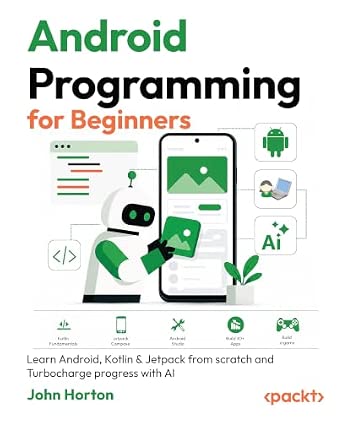 | Best for Beginner Android Developers | Subject: Android programming | Programming language: Kotlin | Android toolkit: Jetpack | VIEW LATEST PRICE | See Our Full Breakdown |
| Fluent Python: Clear, Concise, and Effective Programming |  | Best for Improving Python Craft | Subject: Python programming | Stated focus: Clear, concise, and effective code | Programming language: Python | VIEW LATEST PRICE | See Our Full Breakdown |
| The Pragmatic Programmer: Your Journey to Mastery (20th Anniversary Edition, 2nd Edition) | 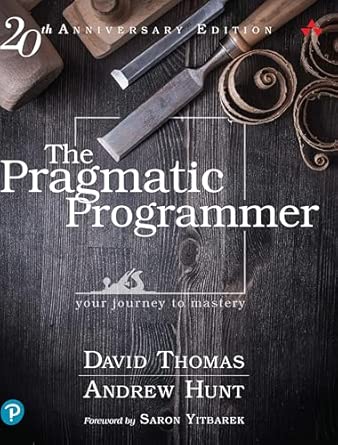 | Best for Broad Developer Practice | Subject: Software development | Stated focus: The journey toward mastery | Edition: 2nd Edition | VIEW LATEST PRICE | See Our Full Breakdown |
| programming books for developer | ASIN | Subject | Title |
|---|---|---|---|
| Rust for Rustaceans: Idiomatic | 1718501854 | Rust programming | Rust for Rustaceans: Idiomatic Programming for Experienced Developers |
| Programming: Principles and Pr | 0138308683 | C++ programming | Programming: Principles and Practice Using C++ (C++ In-Depth) |
| Soft Skills: The Software Deve | 0999081446 | Software developer career skills | Soft Skills: The Software Developer’s Life Manual |
| The Developer’s Guide to AI: A | 1718504764 | Artificial intelligence | The Developer’s Guide to AI: A Field Guide for the Working Developer |
| Python Crash Course | 1718502702 | Python programming | Python Crash Course, 3rd Edition: A Hands-On, Project-Based Introduction to Programming |
| Effective C | 1718504128 | Professional C programming | — |
| The Complete Developer: Master | 1718503288 | — | — |
| The Complete Software Develope | B078J67VNF | Software developer career guidance | — |
| Object-Oriented Programming: T | B0G1K6F2SK | Object-oriented programming | — |
| Systems Programming with Zig: | 1807426432 | Systems programming | — |
| The Linux Programming Interfac | 1593272200 | Linux and UNIX system programming | The Linux Programming Interface: A Linux and UNIX System Programming Handbook |
| Code: The Hidden Language of C | 0137909101 | Computer hardware and software concepts | Code: The Hidden Language of Computer Hardware and Software |
| Android Programming for Beginn | 1806698439 | Android programming | Android Programming for Beginners: Learn Android, Kotlin, and Jetpack from Scratch |
| Fluent Python: Clear | 1492056359 | Python programming | Fluent Python: Clear, Concise, and Effective Programming |
| The Pragmatic Programmer: Your | 0135957052 | Software development | The Pragmatic Programmer: Your Journey to Mastery |
More Details on Our Top Picks
Rust for Rustaceans: Idiomatic Programming for Experienced Developers
Rust for Rustaceans is the specialist choice here: it focuses on writing idiomatic Rust for readers who already know the language, rather than teaching programming from the beginning. That makes it a sharper next step than Python Crash Course, 3rd Edition, whose project-based introduction is aimed at newcomers. Its experienced-developer focus suits readers looking to deepen their understanding of Rust’s practices and patterns, but it also narrows the audience: beginners may lack the grounding to get much from it. The supplied product information does not specify topics, exercises, or edition details, so I would choose it for its stated focus, not assume a particular coverage depth. If your goal is a first language or a broad career guide, another book in this lineup is a better fit.
Pros:- Clearly targets experienced developers rather than trying to serve every skill level.
- Focuses on idiomatic Rust, giving the book a distinct purpose within the roundup.
- A more specialized next step than the beginner-oriented Python Crash Course.
Cons:- Not positioned as a first programming book, so beginners may need foundational instruction first.
- The provided details do not identify specific topics, exercises, or learning aids.
- Its Rust-specific scope will not suit readers seeking transferable coverage across several languages.
Best for: Developers who already write Rust and want a book centered on idiomatic practices rather than introductory syntax.
Not ideal for: New programmers and developers seeking a general introduction; the book is explicitly aimed at experienced developers and Rust.
- Title:Rust for Rustaceans: Idiomatic Programming for Experienced Developers
- Subject:Rust programming
- Focus:Idiomatic programming
- Intended audience:Experienced developers
- Product type:Programming book
- ASIN:1718501854
Our verdict“Choose this for an experienced Rust programmer seeking idiomatic-language guidance, not for a first programming course.”
Programming: Principles and Practice Using C++ (C++ In-Depth)
Programming: Principles and Practice Using C++ is the choice for readers who want to study programming concepts through a specific language, rather than jump straight into a narrowly defined professional specialty. Its stated focus on principles and practice sets it apart from Rust for Rustaceans, which assumes experience and concentrates on idiomatic Rust. That broader learning aim may suit someone building a foundation with C++, while the Rust book is better matched to an existing Rust developer. The tradeoff is that this title commits readers to C++; anyone seeking a Python-first, project-led start may prefer Python Crash Course, 3rd Edition. The supplied information does not describe its exercises, chapter structure, or required background, so I would not assume how beginner-friendly its instruction is.
Pros:- Combines programming principles with practice in a named language.
- Offers a C++-centered alternative to the Python introduction and Rust specialization in this roundup.
- Has a distinct foundation-oriented role compared with career and AI field guides.
Cons:- The C++ focus is a poor fit for readers who want to learn another language.
- The supplied product details do not clarify the intended experience level.
- No information was provided about exercises, projects, or the book’s structure.
Best for: Learners who want to study programming principles and practice through C++ rather than begin with a Python-focused introduction.
Not ideal for: Readers committed to learning Python or Rust, or those who need a confirmed beginner-friendly format and detailed exercise guidance.
- Title:Programming: Principles and Practice Using C++ (C++ In-Depth)
- Subject:C++ programming
- Focus:Programming principles and practice
- Product type:Programming book
- Language:C++
- ASIN:0138308683
Our verdict“Pick this if you want a principles-and-practice route into programming through C++, and look elsewhere for a Python-specific or advanced Rust path.”
Soft Skills: The Software Developer’s Life Manual
Soft Skills: The Software Developer’s Life Manual takes a different route from the language-focused books in this roundup: it centers on the personal and professional side of a developer’s career, not instruction in a particular programming language. That makes it a complement to Programming: Principles and Practice Using C++, rather than a substitute for learning to code. Developers looking for guidance beyond technical study may find its stated scope more relevant than another syntax-focused text. The tradeoff is clear: readers who need hands-on coding instruction, language examples, or a project sequence should choose a technical book such as Python Crash Course, 3rd Edition. The supplied details do not list specific career topics or the book’s structure, so its breadth cannot be judged from the available information alone.
Pros:- Addresses the personal and professional dimensions of software development.
- Provides a non-language-focused option among technical books in the roundup.
- Can sit alongside coding instruction rather than competing with it directly.
Cons:- Does not serve as a substitute for learning programming concepts or a language.
- The provided details do not identify its specific career topics or organization.
- Readers seeking project-based practice may get a closer fit from Python Crash Course.
Best for: Working or aspiring software developers seeking a book about personal and professional skills alongside their technical study.
Not ideal for: Readers who need to learn a programming language or complete coding projects; this book’s stated focus is career-related skills.
- Title:Soft Skills: The Software Developer’s Life Manual
- Subject:Software developer career skills
- Focus:Personal and professional skills
- Intended audience:Software developers
- Product type:Developer manual
- ASIN:0999081446
Our verdict“Choose this as a career-skills companion, not as your main book for learning to program.”
The Developer’s Guide to AI: A Field Guide for the Working Developer
The Developer’s Guide to AI is the focused pick for working developers who want an AI-oriented field guide, rather than a general introduction to coding. Its audience distinction separates it from Python Crash Course, 3rd Edition, which is explicitly framed as a hands-on introduction for learners, and from Soft Skills: The Software Developer’s Life Manual, which addresses professional life rather than AI. This makes the AI title most useful when the reader’s question is specifically about engaging with artificial intelligence as a developer. The tradeoff is its narrower subject: it is not described as a broad programming foundation or a step-by-step beginner course. Since no details were provided about the AI topics, tools, or technical prerequisites, I would verify that its coverage matches your intended level before choosing it.
Pros:- Clearly targets working developers interested in AI.
- Offers a specialized subject not covered by the Python or C++ introductions in this lineup.
- A more technical-topic-focused choice than the career-centered Soft Skills.
Cons:- The AI focus may be too narrow for readers seeking general programming instruction.
- The provided description does not specify tools, topics, or technical prerequisites.
- Not described as a beginner course or project-based introduction.
Best for: Working software developers seeking a field guide focused on artificial intelligence rather than a general programming course.
Not ideal for: Beginners who need foundational coding instruction, or developers looking for a language-specific textbook with stated topics and exercises.
- Title:The Developer’s Guide to AI: A Field Guide for the Working Developer
- Subject:Artificial intelligence
- Focus:AI for working developers
- Format description:Field guide
- Intended audience:Working developers
- ASIN:1718504764
Our verdict“Choose this if AI is your specific learning goal; pick Python Crash Course instead if you need a general programming starting point.”
Python Crash Course, 3rd Edition: A Hands-On, Project-Based Introduction to Programming
Python Crash Course, 3rd Edition is the clearest entry point in this group for someone learning programming: its description explicitly promises a hands-on, project-based introduction using Python. That makes it a more approachable starting choice than Rust for Rustaceans, which targets experienced developers, and a more explicitly beginner-oriented option than the C++ principles-and-practice title, whose audience details are not supplied. Projects give learners a stated route from reading toward practical work, though the product data does not say what projects are included or how much guidance they provide. The tradeoff is its language and level: readers seeking advanced Rust practices, AI guidance, or developer career skills will need a different book. Its third-edition label is also useful for identifying the specific version, but no edition-specific changes are provided.
Pros:- Explicitly designed as an introduction to programming.
- Hands-on, project-based approach points learners toward practical work.
- Python focus provides a clear language choice for beginners.
- The edition is identified as the third edition.
Cons:- Its introductory level may not challenge experienced programmers.
- Python focus will not suit readers specifically seeking C++ or Rust instruction.
- The supplied details do not describe the projects or edition-specific content.
Best for: New programmers who want to learn Python through a hands-on, project-based introduction.
Not ideal for: Experienced developers seeking advanced Rust, AI-focused guidance, or career-skills material rather than a beginner programming course.
- Title:Python Crash Course, 3rd Edition: A Hands-On, Project-Based Introduction to Programming
- Edition:3rd Edition
- Subject:Python programming
- Format:Book
- Approach:Hands-on
- Learning format:Project-based
- Intended level:Introduction to programming
- ASIN:1718502702
Our verdict“Choose this as a Python-first, project-based starting point; experienced developers seeking specialization should pick a more advanced title.”
Effective C, 2nd Edition: An Introduction to Professional C Programming
I’d choose Effective C, 2nd Edition for a developer who wants to focus on writing C at a professional level rather than surveying several languages. Its stated subject is professional C programming, giving it a more specialized role than Programming: Principles and Practice Using C++, which centers on C++ and a broader learning path. That focus can suit readers who already know basic programming and want their next book to stay close to C. The tradeoff is that the supplied product details don’t describe its examples, chapter coverage, or assumed background, so I can’t judge how much guidance it gives newcomers. It also won’t serve as a general introduction to software development or a guide to other languages.
Pros:- Focused specifically on professional C programming
- Second edition, clearly identified in the product details
- A more specialized C choice than the C++-focused Programming: Principles and Practice Using C++
Cons:- The supplied description does not identify the expected skill level or learning path
- No details are provided about examples, exercises, or specific C topics
- Its C focus offers little coverage for developers seeking a multi-language guide
Best for: Developers who already understand programming basics and want a book specifically focused on professional C.
Not ideal for: Complete beginners seeking a clearly described, step-by-step first programming course, or readers who need coverage of C++ or multiple languages.
- Edition:2nd Edition
- Subject:Professional C programming
- Format:Programming book
- Language focus:C
- Intended focus:Professional programming
- ASIN:1718504128
Our verdict“Choose this when your priority is professional C, and skip it if you need a documented beginner curriculum or broader language coverage.”
The Complete Developer: Master the Full Stack with TypeScript, React, Next.js, MongoDB, and Docker
The Complete Developer stands apart from language-centered books by bringing together frontend and backend technologies: TypeScript, React, Next.js, MongoDB, and Docker. I’d place it ahead of a single-language title for readers whose goal is to understand a modern full-stack toolset, while The Complete Software Developer’s Career Guide is the better match for interview preparation and career planning. The breadth is also the main tradeoff: five named technologies can make for a wide survey rather than deep treatment of any one tool, and the supplied description gives no chapter outline or project details to clarify its depth. Developers who want to master one framework or learn programming from the ground up may prefer a narrower, more clearly scoped book.
Pros:- Names five technologies relevant to full-stack development
- Includes both frontend tools and backend infrastructure
- Connects TypeScript, React, and Next.js with MongoDB and Docker
Cons:- The supplied details do not establish how deeply each technology is covered
- No project structure, prerequisites, or edition information is provided
- Its broad technology mix may be less useful than a focused book for mastering a single tool
Best for: Developers who know basic programming and want a guide spanning TypeScript, React, Next.js, MongoDB, and Docker.
Not ideal for: Beginners looking for a verified step-by-step first course, or experienced developers seeking deep coverage of one framework or database.
- Topics:TypeScript, React, Next.js, MongoDB, and Docker
- Frontend technologies:TypeScript, React, Next.js
- Database technology:MongoDB
- Container technology:Docker
- Development scope:Full-stack development
- ASIN:1718503288
Our verdict“Pick this for a broad full-stack technology mix, but choose a focused title if you need depth in one part of the stack.”
The Complete Software Developer’s Career Guide
I’d recommend The Complete Software Developer’s Career Guide to readers whose programming goals include getting hired, not just learning another technical tool. Its stated coverage combines learning programming languages, interview preparation, and software developer career goals. That gives it a different purpose from The Complete Developer, which names a specific full-stack toolkit but does not foreground interviews or career planning. The compromise is that this is not presented as a deep course in a particular language, framework, or system. The product details also don’t specify its interview format or how its language-learning advice is organized, so buyers seeking a narrowly technical reference may want a more focused title. It makes the most sense as career-oriented guidance alongside hands-on programming study.
Pros:- Addresses learning programming languages
- Includes programming interview preparation
- Connects technical learning with software developer career goals
Cons:- The supplied description does not identify a specific language or technical curriculum
- Interview topics and preparation format are not detailed
- Career guidance may not replace hands-on instruction in a programming subject
Best for: Aspiring developers preparing for programming interviews while building a plan for learning languages and pursuing software roles.
Not ideal for: Programmers seeking detailed instruction in a specific language, framework, or systems topic rather than career guidance.
- Subject:Software developer career guidance
- Topics:Learning programming languages, interview preparation, and software developer careers
- Programming focus:Language-learning guidance
- Career focus:Software developer career goals
- ASIN:B078J67VNF
- Format:Programming and career guide
Our verdict“Choose this for interview and career support, not as your primary book for mastering a particular programming technology.”
Object-Oriented Programming: The Complete Guide for Developers
Object-Oriented Programming: The Complete Guide for Developers is the most direct pick here for readers who want to study a programming paradigm and its design principles, rather than a particular language stack. Its description promises a step-by-step guide to core object-oriented principles and modern software design, setting it apart from Effective C, 2nd Edition, which focuses on professional C. That distinction matters if you want concepts that can inform design across projects instead of a C-specific focus. The tradeoff is that no programming language, example projects, or prerequisite level is identified in the supplied details. Developers who need code-centered instruction in a named technology—or concrete evidence of how the concepts are taught—may prefer a more fully specified technical title.
Pros:- Focuses on core object-oriented programming principles
- Description identifies a step-by-step approach
- Includes modern software design as a subject
Cons:- The supplied details do not name a programming language for examples
- No prerequisites, exercises, or project details are provided
- Its conceptual focus may not satisfy readers seeking hands-on instruction in a specific stack
Best for: Developers who want a step-by-step introduction to object-oriented principles and modern software design concepts.
Not ideal for: Readers seeking instruction tied to a specific programming language, framework, or detailed project curriculum.
- Subject:Object-oriented programming
- Coverage:Core object-oriented principles
- Design focus:Modern software design
- Approach:Step-by-step guide
- Series:CodeCraft Series
- ASIN:B0G1K6F2SK
Our verdict“Choose this to focus on object-oriented concepts and design, but look elsewhere for a language-specific coding course.”
Systems Programming with Zig: Build Real Tools with No Hidden Cost
Systems Programming with Zig is the specialist choice for developers interested in systems work through Zig, rather than a general-purpose introduction to programming. The title’s emphasis on building real tools gives it a practical direction, while Effective C, 2nd Edition offers a different route into lower-level work through professional C. The choice between them comes down to the language you want to study; the supplied details identify Zig but don’t describe the tools, concepts, or required background covered. That leaves a meaningful uncertainty for beginners and for developers comparing the book with a more established-language path. I’d favor it when Zig itself is the goal, but not when you need broad systems coverage independent of language.
Pros:- Dedicated to systems programming with Zig
- Title signals a practical focus on building tools
- Offers a language-specific alternative to professional C programming books
Cons:- The supplied description does not list the tools or systems topics covered
- Prerequisites and intended experience level are not provided
- Its Zig focus may not suit developers seeking language-independent systems fundamentals
Best for: Developers who specifically want to explore systems programming with Zig and are interested in building practical tools.
Not ideal for: Readers seeking a general systems programming reference, a C-focused curriculum, or a clearly documented beginner path.
- Subject:Systems programming
- Programming language:Zig
- Stated practical focus:Building real tools
- Format:Programming book
- ASIN:1807426432
- Title emphasis:No hidden cost
Our verdict“Choose this if learning systems programming through Zig is your goal; prefer Effective C for a C-centered path.”
The Linux Programming Interface: A Linux and UNIX System Programming Handbook
The Linux Programming Interface is the systems-focused choice for developers who want to understand how software interacts with Linux and UNIX, rather than learn a general-purpose language from scratch. That makes it a more specialized reference than The Pragmatic Programmer, which addresses broader development practices, and less suited to a first programming course than Programming: Principles and Practice Using C++. Its handbook framing points toward detailed coverage, useful when you need to reason about operating-system behavior and low-level interfaces. The tradeoff is a narrower audience: readers building Android apps or improving everyday Python code will get a closer fit from the Android guide or Fluent Python. The supplied information does not specify chapter coverage, edition, or hands-on exercises, so I would choose it for its clear systems-programming focus, not for unverified features.
Pros:- Dedicated focus on Linux and UNIX system programming
- Handbook format suits readers seeking a reference alongside systems work
- Targets operating-system and low-level programming concerns rather than broad software advice
Cons:- The specialized subject matter offers less value to developers who do not work near system interfaces
- Available product details do not establish its level, chapter structure, or exercise format
Best for: Developers who already know basic programming and want a focused reference for Linux and UNIX system programming.
Not ideal for: New programmers seeking a guided first course, or developers focused on Android, Python, or general software practices.
- Subject:Linux and UNIX system programming
- Format:Handbook
- Operating systems:Linux and UNIX
- Product type:Programming book
- Title:The Linux Programming Interface: A Linux and UNIX System Programming Handbook
- ASIN:1593272200
Our verdict“Choose this handbook if Linux and UNIX system programming is your goal; skip it if you need a broad introduction or application-development guide.”
Code: The Hidden Language of Computer Hardware and Software
Code: The Hidden Language of Computer Hardware and Software takes a foundational route into programming: it focuses on the ideas and systems behind hardware and software, rather than on a specific language or development workflow. That makes it a useful counterpoint to Fluent Python, which is aimed at improving code in one language, and to The Linux Programming Interface, which concentrates on system-level programming. I would place it here for readers who want a conceptual bridge between software and the machine underneath it. The main tradeoff is that its described scope does not promise a practical path to building projects or mastering a current framework. Since no details about exercises, edition, or technical depth are supplied, buyers should select it for the hardware-software concepts named in the title, not assume a hands-on curriculum.
Pros:- Explores concepts connecting computer hardware and software
- Offers a broader systems perspective than a single-language guide
- Pairs conceptually with practical programming books by addressing what sits beneath application code
Cons:- The supplied description does not promise coding exercises or project work
- Its conceptual focus may not meet the needs of developers seeking immediate guidance for a language or platform
Best for: Curious developers and programming learners who want to connect software concepts with the computer hardware beneath them.
Not ideal for: Readers seeking a language-specific coding course, project-led practice, or a reference for a particular operating system.
- Subject:Computer hardware and software concepts
- Focus:Systems and concepts behind computing
- Product type:Programming and computing book
- Title:Code: The Hidden Language of Computer Hardware and Software
- ASIN:0137909101
- Language:English
Our verdict“Pick this for a conceptual view of how hardware and software fit together, not as your main hands-on programming course.”
Android Programming for Beginners: Learn Android, Kotlin, and Jetpack from Scratch
Android Programming for Beginners is the clearest fit for someone starting with Android who wants the platform, Kotlin, and Jetpack addressed together. Its beginner orientation separates it from Fluent Python, which focuses on writing stronger Python code, and from The Linux Programming Interface, a specialized systems handbook. The title also calls out AI-assisted learning, a distinctive angle for learners looking for help while studying; the supplied details do not explain which tools or activities that involves, so I would treat it as a supporting feature rather than the book’s main promise. The platform-specific scope is also its chief limitation: developers working on backend systems, desktop software, or general programming fundamentals may find the other books more relevant. Choose this when Android app development is the destination, not simply because you are new to coding.
Pros:- Explicitly aimed at beginners
- Brings Android, Kotlin, and Jetpack into one learning focus
- The title highlights AI-assisted learning as an additional study angle
Cons:- Its Android focus is less useful for learners targeting other platforms or general programming
- The supplied information does not explain the AI-assisted material or detail the project and exercise format
Best for: New developers specifically aiming to learn Android development with Kotlin and Jetpack.
Not ideal for: Beginners who have not settled on Android, or experienced developers seeking advanced language or systems material.
- Subject:Android programming
- Programming language:Kotlin
- Android toolkit:Jetpack
- Intended level:Beginner
- Learning approach:Learn from scratch
- Additional focus:AI-assisted learning
- Title:Android Programming for Beginners: Learn Android, Kotlin, and Jetpack from Scratch
- ASIN:1806698439
Our verdict“Choose this if you are a beginner committed to Android and Kotlin; choose a broader programming guide if you are still exploring.”
Fluent Python: Clear, Concise, and Effective Programming
Fluent Python is the language-specific pick for developers who already write Python and want to make their code clearer and more effective. That gives it a different job from Python Crash Course, which is framed as a hands-on introduction, and from The Pragmatic Programmer, whose scope is software development more broadly. Its value lies in concentrating on Python rather than spreading attention across platforms or general career practice. That focus also limits its reach: it is not the natural starting point for a first-time programmer, nor the right choice for someone seeking Kotlin, Linux systems programming, or cross-language advice. The supplied product details do not establish the book’s level of coverage beyond its stated goal, so I would select it for a Python improvement focus rather than assume it covers a particular version or feature set.
Pros:- Dedicated to clear, concise, and effective Python programming
- Offers a deeper language-specific focus than general software-development books
- Complements introductory material by targeting improvement of existing Python skills
Cons:- Python-specific content has limited value to developers working primarily in other languages
- The supplied description does not confirm the intended experience level, version coverage, or exercise structure
Best for: Developers with some Python experience who want to write clearer, more concise, and more effective Python code.
Not ideal for: First-time programmers, developers seeking a project-led introduction, or readers focused on a language other than Python.
- Subject:Python programming
- Stated focus:Clear, concise, and effective code
- Programming language:Python
- Product type:Programming book
- Title:Fluent Python: Clear, Concise, and Effective Programming
- ASIN:1492056359
Our verdict“Choose this to sharpen existing Python skills; beginners and developers seeking cross-language guidance should start elsewhere.”
The Pragmatic Programmer: Your Journey to Mastery (20th Anniversary Edition, 2nd Edition)
The Pragmatic Programmer is the broadest professional-development choice in this group: its stated focus is the journey toward mastery in software development, rather than a single language, platform, or operating system. That makes it a useful contrast to Fluent Python, which narrows in on Python craft, and The Linux Programming Interface, which serves system programming. The 20th Anniversary Edition and second-edition designation identify the version provided, but the available description does not specify its chapter changes or techniques, so I would not infer details beyond its software-development scope. Its breadth is also a tradeoff: readers who need instruction in Android, Kotlin, or Linux interfaces will need a more targeted book. This is best treated as a guide to development practice, not a substitute for learning a particular language.
Pros:- Focuses on software-development mastery rather than a single language
- Broad scope makes it relevant alongside language- and platform-specific books
- Identified as the 20th Anniversary Edition and second edition
Cons:- The broad development focus may not provide the targeted instruction needed for a specific technology
- The supplied description does not detail the edition’s changes, chapter content, or exercise format
Best for: Developers seeking broad software-development guidance that is not tied to one programming language or platform.
Not ideal for: Learners who need step-by-step instruction in a specific language, Android development, or Linux and UNIX system interfaces.
- Subject:Software development
- Stated focus:The journey toward mastery
- Edition:2nd Edition
- Anniversary edition:20th Anniversary
- Product type:Programming book
- Title:The Pragmatic Programmer: Your Journey to Mastery
- ASIN:0135957052
Our verdict“Choose this for broad developer-practice guidance, and pair it with a focused technical book when you need language or platform instruction.”

How We Picked
I judged these programming books for developers by the job they can do for a reader: teach a language, strengthen engineering judgment, explain systems, or support a career goal. I weighed clarity and practical usefulness against assumed experience, topic depth, and how narrowly a book applies. A beginner-oriented project book serves a different need from a specialist reference, so I ranked each title by its fit for the audience it can help most rather than treating every book as a direct substitute.
The order gives the highest places to books with broad usefulness or a particularly clear learning path, then distinguishes focused titles by the depth and commitment they ask of readers. The Pragmatic Programmer leads for its cross-language reach; Python Crash Course earns a strong place for structured entry-level learning; and advanced or platform-specific books rank better for readers with a defined goal. Career and AI books add useful perspectives, though readers seeking detailed programming instruction should choose a technical text instead.
Factors to Consider When Choosing Programming Books For Developers
Before choosing among these titles, start with the change you want the book to produce. A useful purchase matches your current skill level, the kind of work you do, and the time you can give it; the most advanced or broadest title may not be the one you finish.
Choose a learning goal before a language
Decide whether you need to write code in a new language, understand how software works underneath, or improve your decisions as a developer. Those goals call for different kinds of books, even when they share the word “programming.” A language tutorial helps when you need syntax and exercises; a systems text fits when performance, operating systems, or memory matter in your work. A general craft book can improve habits across projects but will not teach a language from scratch. One common mistake is buying a book because its subject sounds useful without having a project or question to connect it to. Choose the title that addresses a problem you expect to face soon.
Match the book’s assumed experience to yours
Book descriptions often signal their audience through phrases such as “from scratch,” “professional,” or “experienced developers.” Take those cues seriously: a specialist book may explain concepts well yet still assume you already know the basics. If you are new to programming, look for a guided sequence, small exercises, and projects that build on earlier lessons. If you already code, introductory material can feel slow unless you are learning a genuinely new language. A useful test is to read a sample chapter and see whether the explanation starts at a level that holds your attention without skipping needed foundations. Avoid treating difficulty as proof of quality; a good fit is more likely to lead to steady progress.
Balance broad advice against technical depth
Broad books can offer principles that carry across languages and jobs, while focused books can give you room to work through a particular tool or discipline. Neither approach is automatically better: general advice may lack implementation detail, and a narrow technical title may age as its ecosystem changes. If you want guidance that applies to many projects, start with a craft or design book. If you need to build with a specific platform or understand a particular system, a focused text is a better match. A common buying mistake is expecting one book to provide both a broad career framework and a complete technical reference. Pair complementary books only when each has a distinct job.
Check how the book teaches, not just what it covers
Two books on the same subject can feel very different: one may teach through projects, another through explanations, examples, or reference material. Project-based learning is useful when you want to practice by making something, while concept-led writing can help you form a mental model before coding. Reference-style books are easier to revisit than to read straight through, so they suit readers who have a specific question. Think about whether you learn best by following a sequence or jumping between topics. Do not assume a large page count means more useful instruction; the structure and examples matter more than bulk. Check a sample for readable code, a sensible pace, and exercises suited to your goal.
Factor in how quickly the subject changes
Some programming knowledge lasts for years; details of frameworks, platforms, and tooling can change much faster. Books on foundational ideas and durable engineering practices may remain useful well beyond the edition date. A book tied to a particular technology version can still be valuable, but check that its coverage matches the tools you plan to use. This matters especially when your goal is to follow along with current project documentation or build a production app. Avoid buying a rapidly changing technical guide solely for its title; inspect its publication and edition details first. For fast-moving subjects, treat a book as a structured starting point and pair it with current official documentation.
Spend for a clear fit, not for maximum coverage
A specialized or more advanced book makes sense when it fills a real gap in your work, not merely because it promises more detail. Before committing, ask whether you will use the material in a project, interview, course, or recurring task. If you are exploring a topic, a beginner-friendly introduction can be a better first step than a deep reference you may not finish. If your need is specific and ongoing, depth can save time by keeping related explanations and examples together. Also check whether the book includes exercises, companion resources, or an index that suits your study style. The best value is the title you can apply, revisit, and learn from at your current level.
Frequently Asked Questions
Which book should I choose if I’m new to programming?
Choose a book that assumes little or no coding experience and gives you a clear sequence of lessons and practice. In this lineup, Python Crash Course is the most direct starting point because it is built around hands-on learning. Do not begin with an advanced language or systems book just because it seems more rigorous; unfamiliar concepts can obscure the basics you need first. Check whether the language and exercises fit your interests, since motivation helps you keep practicing. Once you can write small programs independently, move to a more focused book that matches your next goal.
Should I buy a broad software development book or one focused on my language?
Choose a broad book when you want ideas that apply across projects, such as improving your engineering judgment and work habits. Choose a language-focused title when you need to write better code in a particular ecosystem or understand its conventions. These options answer different questions, so one does not automatically replace the other. If a current task is blocked by a language-specific gap, address that first; broad advice can wait. If you already know your tools well and want to improve how you approach software work, a cross-language book may offer more immediate range.
Are books still useful for learning fast-changing tools and frameworks?
Yes, when the book provides structure, explains underlying concepts, or guides you through a substantial example. For framework details that change frequently, compare the edition with the version you plan to use and check current documentation before following code step by step. A book can teach why a pattern works, while official references fill in changes to APIs and tooling. Avoid relying on an older technical guide as your only source for a rapidly evolving platform. Treat it as a learning path, then verify version-sensitive details against current sources.
Do I need a book for every programming language I want to learn?
No. A dedicated book is most useful when you need a structured route through a language’s concepts, idioms, or ecosystem. If you already know related languages and only need a small amount of syntax, official documentation and a practical project may be enough. A book becomes a stronger choice when you need to develop fluency, understand design tradeoffs, or practice a sequence of skills. Avoid collecting introductions without finishing any of them; choose one resource that supports a real project. Add another title when you can name the gap it will address.
How can I tell whether an advanced programming book is worth choosing over an introductory one?
Look at the assumed background and the questions the book sets out to answer. An advanced book is a better fit if you already build programs comfortably and want to understand deeper implementation details, system behavior, or language-specific practices. An introductory book is a better use of your time if you still need guided exercises and a steady explanation of basic concepts. Read a sample chapter to check whether you can follow the examples without spending most of your study time filling in prerequisites. Choose the harder title for a defined next step, not simply to skip the foundations.
Conclusion
Best overall: I recommend The Pragmatic Programmer for developers who want guidance that travels across languages and projects. Best for beginners: choose Python Crash Course for a hands-on entry point. Best value: Code: The Hidden Language of Computer Hardware and Software is a strong pick for readers who want to build foundational understanding beyond a single language. Best premium-depth choice: turn to The Linux Programming Interface when you need a substantial Linux and UNIX systems reference and are ready for its technical scope. For specific needs, choose Fluent Python to deepen Python fluency, Rust for Rustaceans for advanced Rust practice, or the Android, Zig, and C titles when those technologies match your work. Pick the book that fits your next learning goal, not the one with the broadest promise.