
TL;DR

Get business pricing on monitors, keyboards and dev gear
- Business-only prices and quantity discounts
- Tax-exempt purchasing
- Multiple users, one account, clear invoices
Meta has developed a new server design that reuses older RAM modules using a custom bridge chip. This approach aims to cut costs and enhance server flexibility. The development is confirmed, but details on performance impact remain unclear.
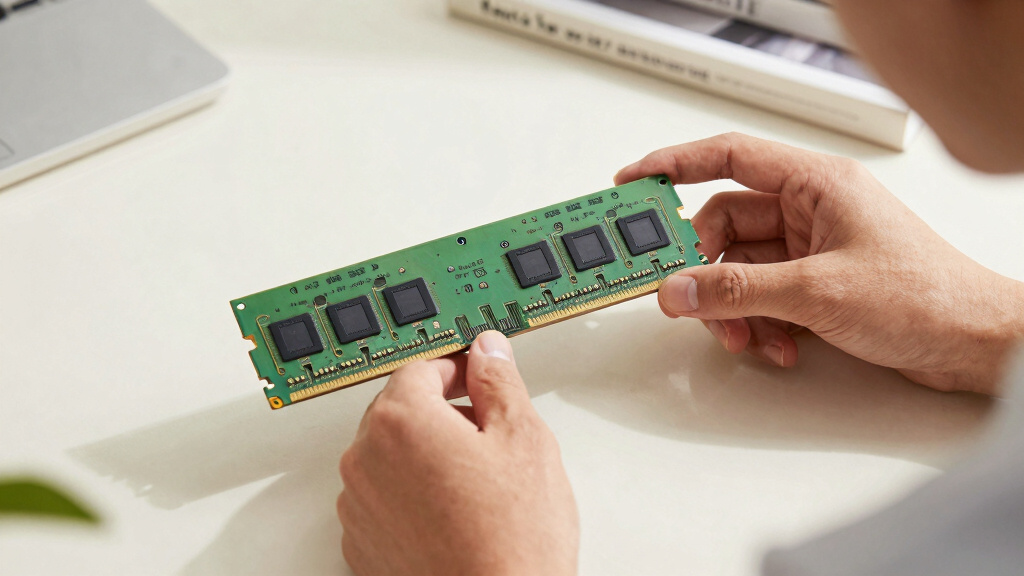
Meta has confirmed it is reusing existing RAM modules in its new data center servers by integrating a custom bridge chip, a move aimed at reducing hardware costs and increasing deployment flexibility. This development reflects a shift in data center hardware strategy and has implications for server design and supply chain management.
According to Meta, the new server architecture incorporates a custom bridge chip that enables the reuse of older RAM modules, which traditionally would be replaced or upgraded. The company stated that this approach allows for significant cost savings and improved hardware utilization, especially as data center demands grow.
Sources familiar with the project indicate that the custom bridge chip acts as an intermediary, facilitating communication between the server’s processor and the reused RAM modules. This technology is designed to ensure compatibility and performance despite the age of the memory modules.
Meta has not disclosed detailed technical specifications or performance benchmarks, and it remains unclear how this approach compares to traditional server configurations in terms of speed, reliability, and energy efficiency. Industry analysts suggest that this strategy could influence broader hardware reuse practices in large-scale data centers.
Implications for Data Center Hardware Strategies
This development could lead to substantial cost reductions in data center operations by extending the lifespan of existing hardware components. It also signals a potential shift toward more flexible and sustainable server designs, reducing electronic waste and supply chain pressures. However, the impact on performance and reliability remains to be fully assessed, making this a notable experiment in hardware reuse.
As an affiliate, we earn on qualifying purchases.
Meta’s Hardware Cost-Saving Initiatives
Meta has been exploring various strategies to optimize data center costs amid increasing infrastructure demands. Previously, the company focused on custom hardware and energy efficiency improvements. The reuse of older RAM modules with a new bridging technology represents a novel approach aimed at reducing capital expenditure and supply chain dependencies.
This move aligns with broader industry trends toward hardware sustainability and cost optimization, especially as data center expansion continues to accelerate globally. The use of custom chips to enable hardware reuse has been discussed in academic and industry circles but has not yet been widely adopted at scale.
“Our new server design leverages a custom bridge chip to enable the reuse of existing RAM modules, helping us reduce costs and improve hardware utilization.”
— Meta spokesperson
As an affiliate, we earn on qualifying purchases.
Technical Performance and Reliability Unclear
It is not yet clear how the reused RAM modules perform in terms of speed, stability, and energy consumption when integrated with the custom bridge chip. Meta has not released detailed benchmarks or independent evaluations, and the long-term reliability of this approach remains uncertain.
As an affiliate, we earn on qualifying purchases.
Further Testing and Industry Adoption Likely
Meta is expected to continue testing this server architecture and may expand its deployment if performance and reliability meet expectations. Industry observers will be watching to see if other companies adopt similar hardware reuse strategies, potentially influencing future data center designs.
Additional technical disclosures and independent assessments are anticipated in the coming months as the project progresses.
industrial RAM compatibility tester
As an affiliate, we earn on qualifying purchases.
As an affiliate, we earn on qualifying purchases.
Key Questions
Why is Meta reusing old RAM in new servers?
Meta aims to reduce hardware costs and improve resource utilization by reusing existing RAM modules through a new bridging technology.
What is the role of the custom bridge chip?
The custom bridge chip acts as an intermediary, enabling compatibility and communication between the server processor and older RAM modules, facilitating reuse.
Will this impact server performance?
It is currently unclear how the reuse of RAM will affect performance, as Meta has not released detailed benchmarks or reliability data.
Could this approach be adopted by other companies?
Potentially, if testing proves successful, other data center operators may consider similar hardware reuse strategies to cut costs and reduce waste.
What are the environmental benefits of reusing RAM modules?
Reusing hardware components can reduce electronic waste and decrease demand for new manufacturing, supporting sustainability efforts.
Source: hn
Halloween Picks
halloween
As an affiliate, we earn on qualifying purchases.