To get started with unit testing in Python using Pytest, install it with `pip install pytest`. Create test files starting with `test_` and define functions beginning with `test_` that include assertions to verify your code’s behavior. Run your tests with the `pytest` command, and review the results to identify issues. When you continue exploring, you’ll learn how to write effective tests, organize them, and leverage Pytest’s powerful features.
Key Takeaways
- Install Pytest with `pip install pytest` and create test files starting with `test_`.
- Write test functions beginning with `test_` and use assertions to verify code behavior.
- Use Pytest’s automatic test discovery to run all tests with the `pytest` command.
- Organize tests with fixtures and utilize Pytest features for better test management.
- Review detailed test reports to quickly identify and fix issues in your Python code.
Unit testing is essential for guaranteeing your Python code works correctly and remains maintainable as your project grows. It helps catch bugs early, reduces debugging time, and improves overall code quality. When you adopt test automation, you streamline your testing process, allowing tests to run automatically whenever you make changes. This not only saves you time but also gives you confidence that new code doesn’t break existing functionality. Using a testing framework like Pytest simplifies writing and executing tests, making unit testing more accessible and efficient. With Pytest, you can write tests with minimal boilerplate, and its powerful features help you organize tests, handle fixtures, and generate detailed reports. Additionally, understanding test coverage can help ensure your tests thoroughly examine your codebase.
If you’re practicing test-driven development (TDD), you’ll write your tests before implementing the actual code. This approach ensures your code fulfills specific requirements from the start, leading to better-designed, more reliable software. TDD encourages you to think critically about your code’s behavior upfront, which results in fewer bugs and clearer specifications. Pytest fits perfectly into this workflow because it allows you to quickly write tests, run them frequently, and get instant feedback on your code’s correctness. As you develop features, you can continuously run your test suite, catching issues early and guiding your development process.
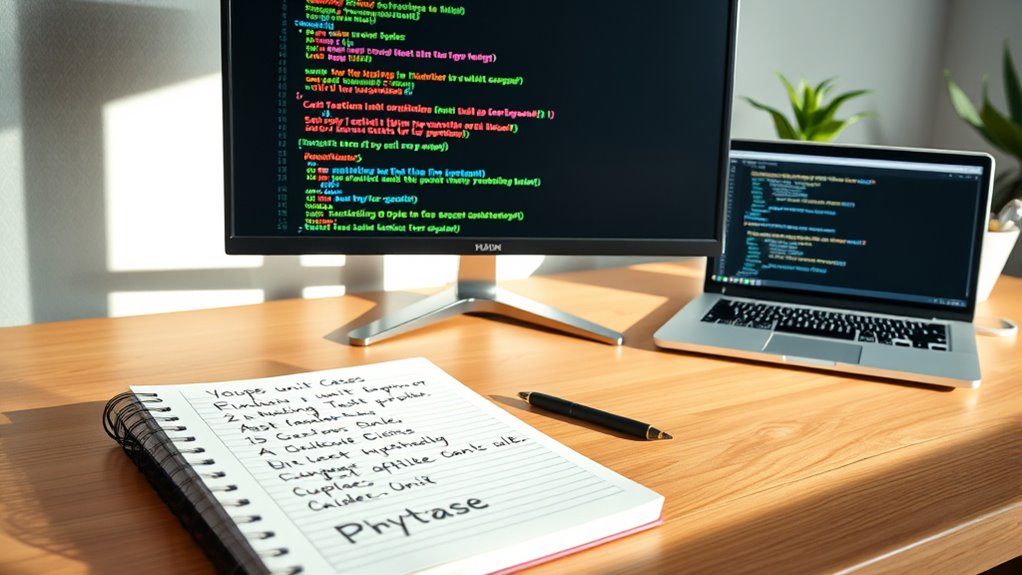
Getting started with Pytest is straightforward. First, install it using pip: `pip install pytest`. Then, create a test file with a name starting with `test_`, such as `test_calculator.py`. Inside, define your test functions with names beginning with `test_`, like `def test_add():`. Within these functions, you can call your functions and use assertions to verify their outputs. For example, `assert add(2, 3) == 5` confirms that the `add` function works correctly for those inputs. Pytest automatically discovers and runs all tests following this naming convention, providing clear output that indicates which tests passed or failed.
Top picks for "tutorial unit test"
Open Amazon search results for this keyword.
As an affiliate, we earn on qualifying purchases.
Frequently Asked Questions
How Do I Handle Testing for External API Calls?
To handle testing for external API calls, you should mock external APIs to prevent real network requests. Use libraries like `unittest.mock` or `requests-mock` to simulate API responses, allowing you to test your code’s response handling and error scenarios. This response simulation ensures your tests are reliable and fast, and it helps you isolate your code from external dependencies for more effective unit testing.
Can Pytest Be Integrated With Ci/Cd Pipelines?
Imagine your team deploys code seamlessly; pytest is perfect for this. Yes, pytest integrates smoothly with CI/CD pipelines, ensuring your test environment runs automatically on each build. You can monitor code coverage, catching issues early. For example, a startup used pytest in Jenkins to automate tests, increasing reliability. This integration helps maintain consistent quality, saves time, and guarantees your code meets standards before deployment.
How Do I Organize Large Test Suites Effectively?
To organize large test suites effectively, you should structure your test organization into logical modules or directories based on features or components. Use naming conventions to clarify each test’s purpose, and group related tests together. Regularly refactor to improve test maintenance, avoiding duplication. Incorporate fixtures for setup consistency, and leverage pytest’s markers to categorize tests, making it easier to run specific subsets and keep your test suite manageable and maintainable.
What Are Best Practices for Mocking in Pytest?
You should use mocking strategies that are simple and clear, avoiding over-mocking which can complicate tests. Start by leveraging pytest fixtures for fixture management, making mocks reusable and organized. Always focus on mocking external dependencies to isolate code logic. This approach ensures your tests are reliable, maintainable, and easy to understand, helping you catch issues early without introducing unnecessary complexity.
How Do I Test Asynchronous Functions With Pytest?
To test asynchronous functions with pytest, you use async def test functions and the pytest-asyncio plugin. Incorporate async testing by marking your test with @pytest.mark.asyncio, allowing you to await async code directly. Use pytest fixtures to set up necessary async resources, ensuring your tests are clean and reliable. This approach streamlines testing async functions, making your tests more accurate and easier to maintain.
Conclusion
Now that you’ve mastered the basics of unit testing with pytest, you’re ready to write cleaner, more reliable code. Think of it as your trusty Swiss Army knife, ready to tackle bugs and guarantee quality. Remember, just like the Wright brothers tinkered to fly, your testing skills will elevate your Python projects. Keep practicing, stay curious, and don’t forget—testing isn’t just a phase, it’s a superpower for any developer in this brave new software world.