
🔍 Read the full analysis: 10 Drawing Tablets That Belong On A Digital Artist’s 2027 Shopping List on ThorstenMeyerAI.com

Get business pricing on monitors, keyboards and dev gear
- Business-only prices and quantity discounts
- Tax-exempt purchasing
- Multiple users, one account, clear invoices
TL;DR
ThorstenMeyerAI.com compares 10 devices for different creative and writing needs, including the Wacom Intuos Pro Medium, HUION Kamvas 13 (Gen 3) and Frunsi RubensTab T11 Pro. The guide distinguishes pressure-sensitive tablets for digital art from basic LCD writing boards and says buyers should match device type, active area and connection needs to their workflow.
ThorstenMeyerAI.com has published a guide to 10 devices for artists and casual users considering a tablet for 2027, with choices ranging from computer-connected drawing surfaces to a standalone device and LCD writing boards. The guide names the Wacom Intuos Pro Medium its pick for most digital artists and the HUION Kamvas 13 (Gen 3) its screen-based option, while stressing that the devices do not all serve the same purpose.
The guide’s recommendations reflect different setups rather than a single ranking of drawing tablets for front-end designers. It presents the Wacom Intuos Pro Medium as a screen-free tablet for computer-based desktop work, citing its work area, wireless connection and Pro Pen 3. The HUION Kamvas 13 (Gen 3) is pitched to artists who want to draw directly on a display, while the HUION Inspiroy H1060P is described as a desktop option with a generous active area and shortcut controls, similar to options considered for screen-based UI prototyping.
Other entries target narrower needs. The compact Wacom Intuos Small and HUION Inspiroy H640P trade drawing room for a smaller footprint. The Frunsi RubensTab T11 Pro is included for shoppers seeking a standalone format. The list also includes HUION Kamvas and XP-Pen Artist pen displays, which let users draw on-screen but still require a connected computer, according to the guide.
The remaining entries are the TQU LCD writing tablet 4-pack and TQU LCD writing tablet 12-pack. The source describes them as suitable for simple notes or children’s doodles, not as replacements for pressure-sensitive digital-art tablets. Its selection criteria include surface and screen type, controls, portability, workspace, connection needs and intended use.
The 10 picks
- 1
 Wacom Intuos Pro Medium Bluetooth Drawing Tablet with Pro Pen 3View on Amazon →
- 2
 HUION Kamvas Pro 16 Drawing Tablet with ScreenView on Amazon →
- 3
 HUION Kamvas 13 (Gen 3) Pen Display Drawing Tablet, 13.3-inch, BlackView on Amazon →
- 4
 XP-Pen Artist 13.3 Pro Drawing Tablet with ScreenView on Amazon →
- 5
 Frunsi RubensTab T11 Pro Standalone Drawing TabletView on Amazon →
- 6
 HUION Inspiroy H1060P Graphics Drawing Tablet, 10 × 6.25 in, 12 Press Keys an…View on Amazon →
- 7
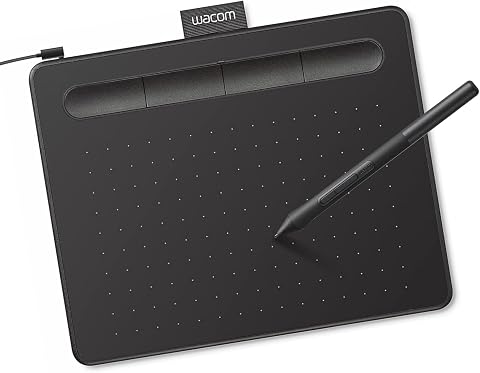 Wacom Intuos Small Wired Drawing Tablet with PenView on Amazon →
- 8
 HUION Inspiroy H640P 6 x 4 Inch Drawing TabletView on Amazon →
- 9
 TQU 8.5-Inch LCD Writing Tablets for Kids, 12-PackView on Amazon →
- 10
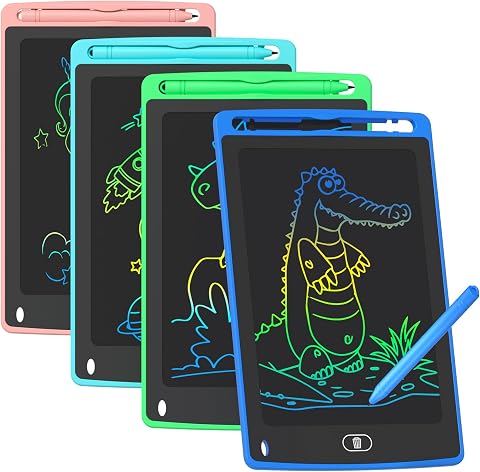 TQU 8.5-Inch LCD Writing Tablets for Kids, 4-PackView on Amazon →
Choosing a Tablet That Fits Your Workflow
The main practical distinction is how each device connects and where the artwork appears. A screen-free pen tablet maps hand movement to a separate computer monitor; a pen display puts the image under the user’s hand but still depends on a computer. A standalone device can reduce that dependence, though its operating system, software and storage shape what it can do.
That matters for both cost and workspace planning. A buyer who wants to use desktop drawing software should check the computer, ports and application compatibility before choosing a display. Someone working at a crowded desk may prefer a compact surface, while artists making broad strokes may value a larger active area. The guide’s distinction between art tablets and LCD writing boards also helps prevent a basic note-taking device from being mistaken for a full digital-art setup.
Products Worth Considering

Samsung Galaxy Tab S7 11-inch Android Tablet 128GB Wi‑Fi with S Pen Mystic Black

Amazon Kindle Scribe (3rd Generation), 64GB, 11-inch Display, Graphite, with Premium Pen

Apple AirPods Pro 3 Wireless Earbuds with Active Noise Cancellation
As an affiliate, we earn on qualifying purchases.
Three Setups, Different Trade-Offs
The guide groups the options around three broad device types: screen-free pen tablets, pen displays and standalone tablets. Pen tablets avoid adding a built-in screen, but users look at a connected monitor while drawing. Pen displays provide a more direct on-screen experience and add desk space and cable considerations. Standalone models do not rely on a computer connection in the same way, but depend on their own software and system capabilities.
It also advises buyers to compare the usable active area, not just the device’s outer size. A compact tablet may be easier to carry but constrain hand movement; a larger one occupies more desk space. Pressure sensitivity, tilt, pen buttons and shortcut keys can support particular workflows, but the guide cautions against treating a longer feature list as proof that a device is the better fit.
“The main choice is between a screen-free tablet that needs a connected computer, a pen display that adds screen and cable requirements, or a standalone device.”
— ThorstenMeyerAI.com guide
Details Buyers Should Verify
The source material does not provide a publication date, prices, independent test results or detailed compatibility tables. It also does not specify every model in the XP-Pen Artist and HUION Kamvas groups, or give enough product-level information to compare their display specifications, pen performance or bundled connections. The recommendations should be treated as the guide’s assessment, not as a substitute for checking current product listings.
It is also unclear whether prices, software support and availability will remain the same in 2027. Buyers should confirm operating-system and application support, required computer ports, included cables and the device’s current features before ordering. The source does not establish that every model is suitable for every drawing program or workflow.
Check Listings Before Buying
The next step for shoppers is to identify whether they need a computer-connected tablet, a pen display or a standalone device, then compare models within that category. They should check active area, shortcut placement, portability and compatibility with their computer and drawing software, as well as the cable setup required for a display.
As the 2027 shopping window approaches, readers will need to verify current prices, stock and specifications against manufacturers’ listings. The guide does not announce a product launch or a forthcoming update, so any changes to its recommendations remain unconfirmed.
Key Questions
Which tablet does the guide recommend for most digital artists?
ThorstenMeyerAI.com names the Wacom Intuos Pro Medium, citing its work area, wireless connection and Pro Pen 3. That is the source’s recommendation, not an independent test result included in the material.
Which option is intended for drawing directly on a screen?
The guide highlights the HUION Kamvas 13 (Gen 3) as a compact pen display. It says pen displays still rely on a connected computer, so buyers should check their setup before choosing one.
Do all the listed devices support digital-art workflows?
No. The source describes the TQU LCD writing tablet sets as tools for simple writing and doodling, not substitutes for pressure-sensitive drawing tablets.
What should buyers check before choosing a drawing tablet?
Check the active drawing area, device type, computer and software compatibility, ports and cable requirements. The guide also recommends considering portability and whether shortcut controls suit the intended workflow.
Source: ThorstenMeyerAI.com