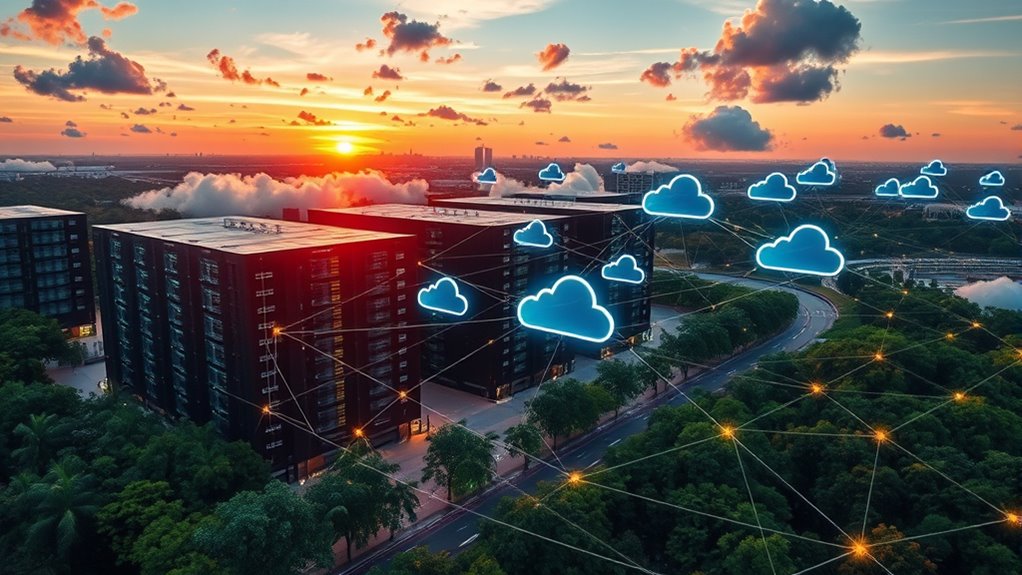

To optimize your multi-cloud environment, you should focus on deploying advanced network strategies like service mesh connectivity and edge security. Service meshes manage microservice communication securely and reliably across clouds, while automation streamlines configuration and policy enforcement. Combining these tools helps you maintain high performance and security, reduce errors, and respond quickly to threats. Embracing these technologies guarantees your cloud infrastructure stays resilient and efficient—keep exploring to uncover how these solutions can transform your network.
Key Takeaways
- Service mesh technology enables secure, reliable, and observable communication between microservices across multiple cloud environments.
- Network automation orchestrates consistent security policies and connectivity, reducing errors and streamlining multi-cloud management.
- Edge security controls protect data at source, preventing breaches before reaching core systems in multi-cloud architectures.
- Integrating network automation with service meshes ensures uniform policy enforcement, rapid scaling, and enhanced security.
- Advanced cloud networking combines multi-cloud connectivity with edge security and automation to improve performance, security, and operational agility.

Have you ever wondered how organizations guarantee their cloud networks are secure, fast, and reliable at scale? It all starts with understanding the importance of edge security and network automation in advanced cloud networking. As cloud environments grow more complex, especially with multi-cloud strategies, you need robust security measures at the network’s edge to prevent vulnerabilities. Edge security involves deploying security controls close to data sources and user access points, reducing the attack surface and ensuring sensitive information stays protected, regardless of where your users or devices are located. This proactive approach helps prevent breaches before they reach core systems, maintaining a resilient security posture.
Simultaneously, network automation plays a critical role in managing the complexity of multi-cloud architectures. Automation tools enable you to orchestrate network configurations, security policies, and connectivity across multiple cloud providers seamlessly. Instead of manually configuring each environment, you can rely on scripting and automation platforms to deploy consistent policies quickly and accurately. This reduces human error, accelerates deployment times, and ensures uniform security across all cloud platforms. By automating network tasks, you also gain increased visibility into network performance and security status, allowing you to react swiftly to potential issues or threats. Additionally, understanding spoiled lemon juice and its signs can help prevent security breaches caused by compromised data sources, emphasizing the importance of proactive monitoring.
When connecting different cloud services, service mesh technology becomes essential. A service mesh manages the communication between microservices, providing secure, reliable, and observable connections. It handles service discovery, load balancing, and security policies, making multi-cloud connectivity smoother and more manageable. With a service mesh in place, you can enforce consistent security policies, such as mutual TLS encryption and access control, across diverse environments. This consistency simplifies compliance and enhances security, especially when combined with edge security measures that protect data at the source.
Furthermore, integrating network automation with service mesh solutions streamlines the management of complex connectivity scenarios. Automated policy enforcement ensures that security and traffic routing rules are applied uniformly across all environments, reducing configuration errors and vulnerabilities. It also enables rapid updates and scaling, which are crucial in dynamic cloud landscapes. By automating these processes, you’re better equipped to handle unpredictable workloads and evolving security threats without sacrificing performance or reliability.
In essence, securing and optimizing multi-cloud and service mesh connectivity hinges on leveraging edge security and network automation. These strategies empower you to maintain high performance, robust security, and operational agility as your cloud footprint expands. They allow you to proactively address security challenges at the network’s edge while automating routine tasks, freeing you to focus on innovation and growth. As cloud networking continues to evolve, mastering these foundational elements will be critical to building resilient, efficient, and secure multi-cloud infrastructures.

UGREEN NAS DH2300 2-Bay Desktop NASync, Support Capacity 64TB (Diskless), Remote Access, AI Photo Album, Beginner Friendly System, 4GB RAM on Board,1GbE, 4K HDMI, Network Attached Storage(Diskless)
Entry-level NAS Personal Storage:UGREEN NAS DH2300 is your first and best NAS made easy. It is designed for...
As an affiliate, we earn on qualifying purchases.
Frequently Asked Questions
How Does Multi-Cloud Networking Impact Data Sovereignty Compliance?
Multi-cloud networking impacts data sovereignty compliance by complicating data residency and jurisdictional compliance. You need to guarantee that data stays within specific regions and adheres to local laws when moving across multiple clouds. By implementing proper controls and policies, you can prevent data from leaving designated jurisdictions, maintaining compliance and avoiding legal issues. Monitoring and managing data flow across clouds is essential to meet jurisdictional requirements and uphold data sovereignty.
What Are the Cost Implications of Implementing Service Mesh Connectivity?
Implementing service mesh connectivity can increase your costs due to added complexity in cost management and billing. You’ll need to account for additional infrastructure, such as sidecars and control planes, which can raise expenses. It also makes billing more complex, requiring detailed tracking of service-to-service communication. While it improves connectivity and security, expect higher operational costs and the need for advanced cost management strategies to keep expenses in check.
How Does Multi-Cloud Connectivity Affect Latency and Application Performance?
Did you know that multi-cloud connectivity can increase latency by up to 30%? This affects your application’s performance and throughput. To counter this, you focus on latency optimization strategies, like deploying edge servers or improving network routes. By doing so, you guarantee your application remains responsive and efficient across multiple clouds, providing a seamless experience for users despite the inherent challenges of multi-cloud environments.
What Security Risks Are Associated With Cross-Cloud Service Mesh Deployments?
You face security risks like data leakage and unauthorized access in cross-cloud service mesh deployments. If you don’t implement strong encryption, your data could be exposed during transmission. Misconfigured access controls might allow attackers or insiders to gain unauthorized access to sensitive information. Regular security audits, proper identity management, and monitoring are essential to mitigate these risks. Staying vigilant helps protect your multi-cloud environment from potential threats.
How Can Organizations Ensure Seamless Scalability Across Multiple Cloud Providers?
Scaling across multiple clouds is like tuning a symphony—you need harmony. To do this, you should leverage cloud orchestration tools that automate deployment and management, ensuring consistency. Network segmentation helps isolate workloads, preventing disruptions from spreading. Regularly monitor performance and adjust configurations as needed. With these strategies, you’ll create a seamless, scalable environment where your multi-cloud infrastructure sings in perfect harmony, no matter how big it gets.
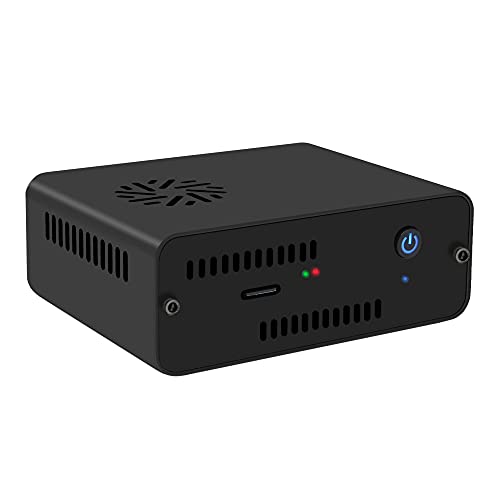
Geekworm NASPi V2.0 2.5 inch SATA HDD/SSD NAS Storage Kit with Safe Shutdown & Auto Power On Function for Raspberry Pi 4 Model B(Not Include Raspberry Pi 4)
Function: Geekworm NASPi offering an easy and fast way to create your home media center and building NAS...
As an affiliate, we earn on qualifying purchases.
Conclusion
As you navigate advanced cloud networking, embracing multi-cloud and service mesh connectivity becomes essential. Did you know that by 2025, over 80% of enterprises are expected to adopt multi-cloud strategies? This highlights the growing importance of seamless, secure connectivity across diverse environments. By mastering these technologies, you position yourself at the forefront of modern IT infrastructure, ensuring scalability and resilience. Keep evolving your skills—your cloud strategy’s success depends on it.

QNAP TS-h1290FX-7302P-128G-US 12 Bay U.2 NVMe/SATA All-Flash Desktop NAS Ideal for Office environments, collaborative 4K/8K Video Editing, and File Sharing
AMD EPYC 7232P 8-core/16-thread or EPYC 7302P 16-core/32-thread processor
As an affiliate, we earn on qualifying purchases.
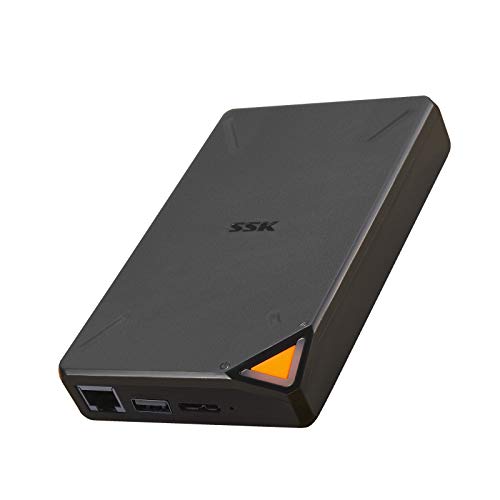
SSK 2TB Portable NAS External Wireless Hard Drive with Own Wi-Fi Hotspot, Personal Cloud Smart Storage Support Auto-Backup, Phone/Tablet PC/Laptop Wireless Remote Access
High speed and large capacity: 2TB storage capacity(HDD), Up to 300Mbps high speed wireless transmission, without geographical restrictions,remote...
As an affiliate, we earn on qualifying purchases.