
TL;DR

Get business pricing on monitors, keyboards and dev gear
- Business-only prices and quantity discounts
- Tax-exempt purchasing
- Multiple users, one account, clear invoices
Apple has launched a “Switch to Safari” website and two YouTube videos promoting Safari over Chrome. The site claims Safari offers longer video playback and faster loading of frequently visited sites on Mac, while providing stronger privacy protections; the figures and comparisons are Apple’s claims.
Apple launched a new “Switch to Safari” campaign on October 12, featuring a website and two YouTube videos that promote Safari over Google Chrome. The campaign says Safari offers longer battery life, stronger privacy protections and faster performance on Mac, though the comparisons are claims made by Apple rather than independent findings.
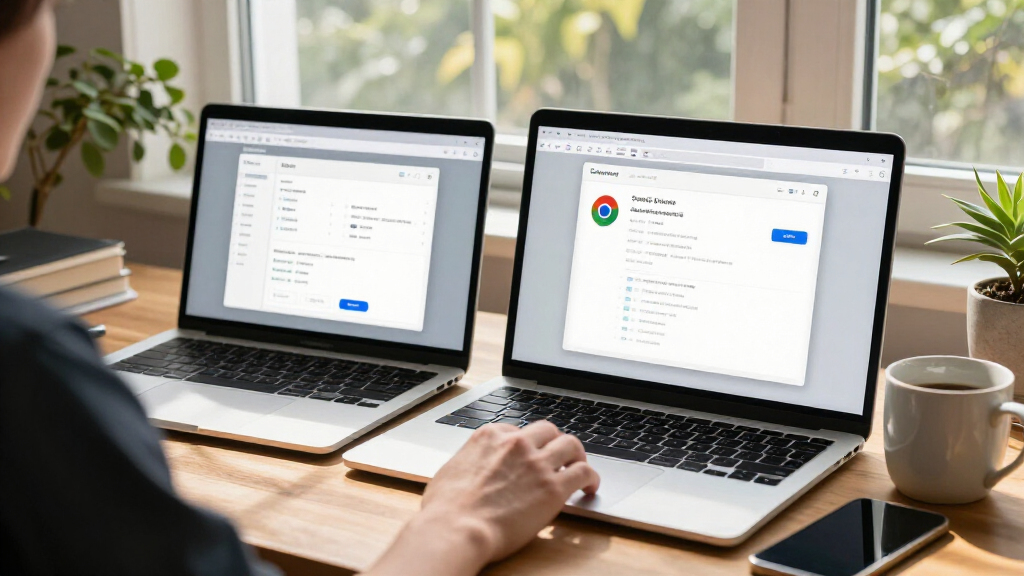
Apple’s campaign page presents a side-by-side Safari and Chrome comparison and highlights features including Reader Mode, Notify Me, Profiles and Apple Pay. The company says Safari can provide up to five additional hours of video streaming on Mac compared with Chrome. The source report does not specify the testing conditions behind that figure.
On speed, Apple says Safari is up to 35% faster than Chrome when loading frequently visited sites on Mac. The company also argues that Chrome allows more third-party trackers to follow users across websites and collect data for advertisers. These are campaign claims; the supplied report does not provide an independent test or further methodology for the privacy and performance comparisons.
The two videos focus on Distraction Control and Intelligent Tracking Prevention, features Apple uses to make its case for Safari. One campaign message says Chrome does not remember which distractions users want hidden. Apple’s materials position these tools alongside Safari’s other features as reasons to choose its browser.
Apple’s Case for Switching Browsers
The campaign puts browser choice in front of Mac users by comparing two widely used options on battery life, speed and privacy. Those differences can matter to people who stream video, revisit the same websites or want to limit tracking, but the strength of Apple’s comparisons cannot be judged from the campaign summary alone.
For readers, the distinction between a marketing claim and a verified result matters. Apple provides a specific battery-life figure and a performance percentage, but the source report does not describe the test setup, device configuration, sites measured or independent validation. The figures can help explain Apple’s pitch, but they should not be treated as universal results for every Mac or browsing habit.
The privacy argument also speaks to a wider concern about how browsing data is collected and used. Apple says Safari restricts cross-site tracking more effectively than Chrome. The campaign does not quantify the difference or detail how its comparison evaluates the two browsers’ privacy protections.
As an affiliate, we earn on qualifying purchases.
Apple’s Ongoing Safari Promotion
This is not Apple’s first recent campaign to contrast Safari with Chrome. According to 9to5Mac’s October 12 report, Apple earlier launched a “Privacy on iPhone” campaign that presented Safari as a more private alternative to Chrome. The new campaign extends that promotional approach with a dedicated comparison page and videos focused on Mac browsing and Safari features.
The latest materials combine product information with direct competitor comparisons. Rather than announcing a new browser or a change to Safari, Apple is making a marketing case for an existing product. Its page lists features as well as claims about performance, battery life and tracking, while the videos demonstrate specific Safari functions.
The source report identifies the website and videos but does not provide detailed test data or reproduce the full comparison chart. This article therefore attributes the numerical and privacy claims to Apple and does not treat them as independently established benchmarks.
““a more powerful and private browser than Chrome.””
— Apple, as quoted in the campaign description reported by 9to5Mac
privacy-focused browser extensions for Mac
As an affiliate, we earn on qualifying purchases.
As an affiliate, we earn on qualifying purchases.
How Apple Measured the Comparisons
The supplied report does not say how Apple tested battery life or page-loading speed, which Mac models or software versions it used, or how it selected the websites. It is also unclear whether the stated maximum differences apply broadly or only under particular test conditions.
The campaign’s privacy comparison is not accompanied in the report by a measured estimate of how many trackers each browser blocks or an independent review of data collection practices. The wording about Chrome tracking users is Apple’s position, not a finding established by the source material. The full details and qualifications on Apple’s campaign page may provide additional context, but they are not included in the report.
As an affiliate, we earn on qualifying purchases.
More Detail From Apple’s Campaign
Apple’s new comparison page and two YouTube videos are the immediate next points of reference for users who want to review the company’s claims and see Distraction Control and Intelligent Tracking Prevention demonstrated. The source report does not identify a scheduled follow-up, new Safari release or planned independent test.
Users comparing browsers can check the campaign’s stated conditions against their own Mac, software versions and typical use. Until more methodology or independent comparisons are available, Apple’s battery-life, speed and privacy statements remain promotional claims that readers should interpret within their stated scope.
As an affiliate, we earn on qualifying purchases.
Key Questions
What did Apple announce?
Apple launched a “Switch to Safari” website comparing Safari with Chrome and published two YouTube videos about Distraction Control and Intelligent Tracking Prevention.
What advantages does Apple claim Safari has?
Apple says Safari can provide up to five more hours of video streaming on Mac, load frequently visited sites up to 35% faster, and offer stronger protections against third-party tracking. These are campaign claims.
Are the performance figures independently verified?
The supplied report does not include independent verification or Apple’s test methodology. It does not specify the devices, software versions or test conditions behind the battery-life and speed figures.
What Safari features does the campaign highlight?
The comparison page lists Reader Mode, Notify Me, Profiles and Apple Pay, among other features. The videos focus on Distraction Control and Intelligent Tracking Prevention.
Is this Apple’s first campaign comparing Safari with Chrome?
No. 9to5Mac reports that Apple earlier ran a “Privacy on iPhone” campaign presenting Safari as a more private alternative to Chrome.
Source: hn
Evergreen bestsellers Picks
bestsellers
As an affiliate, we earn on qualifying purchases.