
📊 Full opportunity report: Best Quiet Case Fans + the Airflow Setup That Actually Works on ThorstenMeyerAI.com — validation score, market gap, and execution plan.
TL;DR
This article identifies the best quiet case fans for 2026 and explains the airflow setup that achieves optimal cooling with minimal noise. It emphasizes large, slow-moving fans and proper placement for effective cooling.
In 2026, the most effective approach to quiet PC cooling combines large, slow-moving fans with optimized airflow setups, according to recent expert testing and reviews. This development matters because it enables high-performance AI and gaming rigs to operate quietly without sacrificing thermal performance.
Recent testing from industry sources highlights that larger fans, such as 140mm models, moving air at lower RPMs, produce significantly less noise than smaller, faster fans while maintaining effective cooling. The Noctua NF-A12x25 and NF-A14 are considered the top performers in engineering, delivering high airflow with minimal noise, though at a premium price. The Arctic P12 Pro and P14 PWM PST offer nearly comparable performance at a fraction of the cost, making them the best value options for budget-conscious builders. For ultra-quiet operation, the be quiet! Silent Wings 4 fans excel, producing only around 17 dB of noise even at higher speeds. Fans designed for radiators, such as the Arctic P12 Pro and Noctua NF-F12, are optimized for static pressure, essential for efficient liquid cooling setups. Experts emphasize that the key to quiet, effective cooling is to use large fans set to low RPMs and to position intake and exhaust fans to create a gentle, continuous airflow through the case.Best quiet case fans
+ the airflow that works.
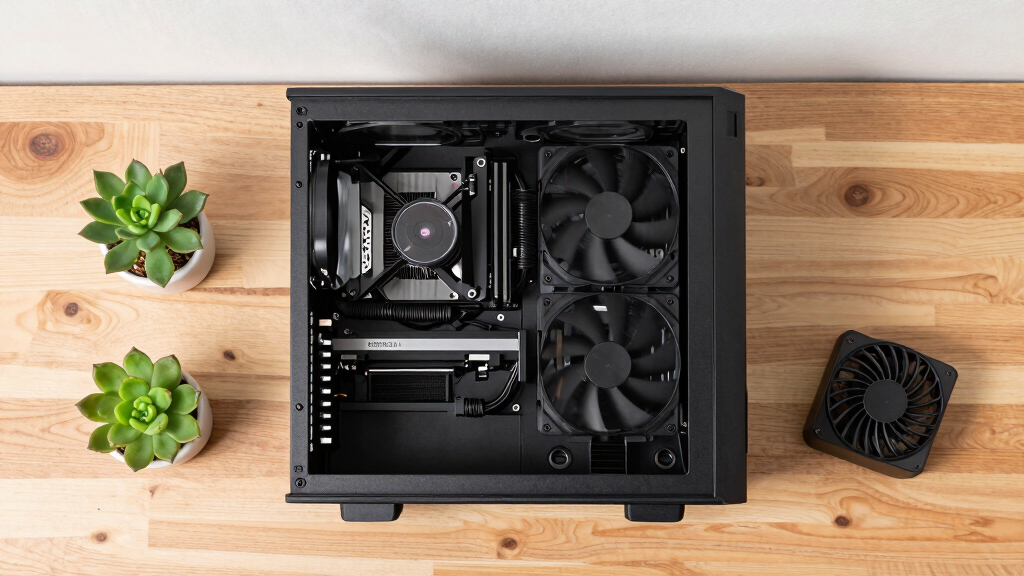
The best fan won’t help if it’s pointed the wrong way. The whole recipe: big fans, running slowly, in a clean front-to-back path, with slightly more intake than exhaust. Build a config in Part 2 and watch the pressure balance respond.
Why Proper Fan Selection and Airflow Setup Matter in 2026
Choosing the right case fans and airflow configuration directly impacts the noise levels and thermal efficiency of high-performance PCs. For AI workloads and gaming rigs, maintaining low noise without overheating is critical for user comfort and hardware longevity. The emphasis on large, slow fans challenges traditional smaller, high-RPM designs, offering a practical solution for quieter operation. Proper airflow setup, including strategic placement of intake and exhaust fans, ensures consistent cooling and reduces the risk of thermal throttling or component damage. As PC builds become more powerful and noise-sensitive, these insights help users optimize their rigs for both silence and performance, making this guidance highly relevant for 2026's high-end workstation builders.
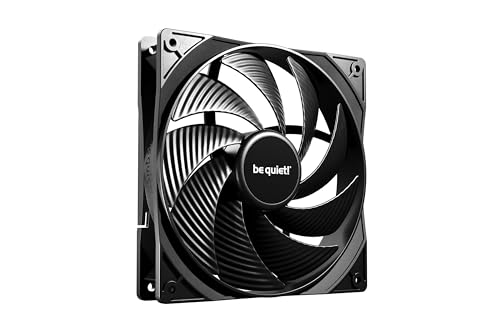
be quiet! Pure Wings 3 140mm Quiet PWM High-Speed Case Fan | Speed-regulating Closed Loop Motor| Extraordinary Air Pressure | BL109
- Optimized Frame Design: Peak performance on radiators
- Enhanced Airflow: 7 blades for noise reduction and performance
- Quiet Operation: Low RPM for silent performance
As an affiliate, we earn on qualifying purchases.
As an affiliate, we earn on qualifying purchases.
Evolution of Quiet PC Cooling Strategies in 2026
Over the past few years, the industry has shifted towards larger fans operating at lower RPMs to reduce noise while maintaining cooling efficiency. The trend is driven by advances in fan engineering, with brands like Noctua, Arctic, and be quiet! leading the way. Previously, high-RPM fans were common but noisy; recent tests show that larger fans moving the same amount of air at lower speeds outperform smaller fans in both noise and longevity. This shift aligns with the broader goal of creating high-performance, quiet workstations for AI, gaming, and content creation. The current consensus underscores the importance of proper airflow design, including positive pressure setups and strategic fan placement, to achieve optimal results.
"Large, slow-moving fans are the key to quiet, effective cooling in 2026. Moving more air at lower RPMs significantly reduces noise without compromising performance."
— Thorsten Meyer, industry expert
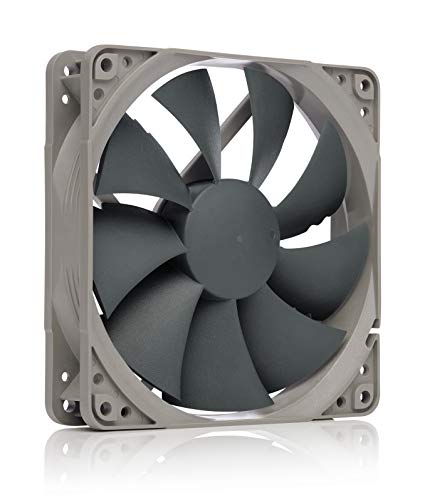
Noctua NF-P12 redux-1700 PWM, Quiet Fan 120mm
- Size: 120x120x25 mm
- Voltage: 12V
- PWM: 4-pin PWM control
As an affiliate, we earn on qualifying purchases.
As an affiliate, we earn on qualifying purchases.
Remaining Questions About Long-Term Reliability and Compatibility
While current testing confirms the performance of these fans, long-term durability and compatibility across diverse PC cases remain areas for ongoing observation. Some users report variations in noise levels depending on case design and fan mounting, and the impact of continuous operation over several years is still being studied. Additionally, the optimal airflow configuration may differ based on specific hardware setups and user preferences, leaving some room for customization and further testing.

DARKROCK 3-Pack 120mm Black Computer Case Fans
- High Performance Cooling: Nine blades, 1200 RPM speed
- Low Noise Operation: Maximum 32.1 dBA with silicone cushions
- Durable Hydraulic Bearing: Stable rotation, 30,000-hour lifespan
As an affiliate, we earn on qualifying purchases.
As an affiliate, we earn on qualifying purchases.
Next Steps for PC Builders and Enthusiasts in 2026
Expect ongoing testing and reviews to refine best practices for quiet, high-performance PC cooling. Manufacturers may release new fan models with improved noise profiles and airflow efficiency. PC builders should monitor updates from trusted sources, experiment with different fan placements, and consider future upgrades to maintain optimal cooling and silence. Additionally, software tools for fan tuning will likely become more sophisticated, enabling more precise control of airflow and noise levels tailored to specific workloads.

Eakhelb 120mm Fan,120x25mm EC Brushless Cooling Fan, High Static Pressure AC 110V 120V 220V 240V Axial Fan,with AC Power ON/Off Switch Extender Cable, for DIY Cooling Industrial Case Exhaust Projects
- Fan Dimensions: 120x120x25mm (4.72 inches)
- Voltage Range: 90V to 270V
- Airflow: 103 CFM
As an affiliate, we earn on qualifying purchases.
As an affiliate, we earn on qualifying purchases.
Key Questions
What is the best case fan for quiet operation in 2026?
The Noctua NF-A12x25 and NF-A14 are widely regarded as the best engineered fans for quiet, high-performance cooling, though they come at a premium price. For budget builds, Arctic P12 Pro and P14 PWM PST offer excellent value with near-comparable performance.
How should I configure airflow in my PC for quiet operation?
Use large, low-RPM fans for intake and exhaust, positioning them to create a gentle, continuous airflow through the case. Prioritize positive pressure to reduce dust and optimize cooling, and avoid high-RPM fans that generate more noise.
Are static-pressure fans necessary for radiators or filters?
Yes, static-pressure fans like the Arctic P12 Pro and Noctua NF-F12 are designed to push air through dense heatsinks and radiators efficiently, which is essential for liquid cooling and filtered setups.
Will these fans remain effective over years of continuous use?
While current models are designed for durability, long-term reliability data is still being collected. Fans like Noctua are known for longevity, but users should monitor performance over time and consider regular maintenance.
Source: ThorstenMeyerAI.com