
Chaos engineering techniques involve intentionally causing failures like shutting down servers or cutting network connections to test your system’s resilience. By simulating these disruptions, you can identify weak points before real problems occur, ensuring your infrastructure can handle shocks and recover quickly. This proactive approach helps develop more robust, reliable systems through strategic failure testing. Keep exploring to discover how these methods can transform your system’s durability and performance.
Key Takeaways
- Implement controlled failure injections like server shutdowns, network disruptions, or resource exhaustion to test system resilience.
- Use chaos engineering tools such as Chaos Monkey, Gremlin, or Litmus to automate and orchestrate failure scenarios.
- Focus on critical components and dependencies to simulate realistic failure conditions and observe system responses.
- Monitor key metrics like response time, error rates, and recovery times to evaluate system robustness during chaos experiments.
- Incorporate gradual and reversible failures to minimize impact, enabling safe testing of system degradation and recovery strategies.

Have you ever wondered how to make your systems more resilient against unexpected failures? One effective way is through resilience testing, which involves intentionally introducing disruptions to see how your system responds. Resilience testing helps you identify weak points before real failures occur, giving you the chance to strengthen your infrastructure proactively. This approach often relies on failure simulation, where you mimic various failure scenarios to observe how your system copes. By doing so, you gain critical insights into the robustness of your architecture and the effectiveness of your recovery procedures.
Failure simulation is at the heart of resilience testing. It involves deliberately causing failures—such as shutting down servers, cutting off network connections, or corrupting data—to evaluate how your system reacts. This process isn’t about causing chaos for chaos’s sake; it’s a strategic effort to uncover vulnerabilities in a controlled environment. When you simulate failures, you can see whether your system gracefully degrades or crashes completely, and whether your automated recovery mechanisms kick in as intended. This hands-on approach reveals weaknesses that might not be apparent during routine operations, enabling you to address them before they turn into full-blown outages.
Using failure simulation as part of resilience testing requires a systematic approach. You start by defining critical components and potential points of failure. Then, you craft specific scenarios tailored to your system’s architecture—whether it’s a database server, a microservices environment, or a cloud infrastructure. As you execute these tests, keep a close eye on key metrics like system uptime, response times, and error rates. The goal isn’t just to break things but to understand how your system behaves under stress and where it might falter. With each test, you gather data that informs improvements, whether that’s adding redundancy, optimizing failover processes, or refining your monitoring tools.
The beauty of resilience testing and failure simulation is that they turn unpredictable failures into predictable, manageable events. They empower you to build systems that are not just functional but resilient—capable of withstanding shocks and recovering swiftly. By regularly performing these tests, you foster a culture of continuous improvement, ensuring your infrastructure can handle real-world disturbances. Ultimately, embracing failure simulation within resilience testing isn’t just about preventing downtime; it’s about making your systems stronger, more reliable, and better prepared for whatever challenges come your way. Recognizing the importance of emotional support can also help teams stay motivated and focused during these rigorous testing processes.

Laser Engraver, Carverall K15 Pro 5W Laser Engraving Machine for Beginners DIY High Accuracy 200x300mm (Near A4) Portable CNC Laser Cutter for Wood Coated Metal Acrylic Leather, 5000mW, Class 1
Turn Ideas into Art: Bring a new level of detail to your work. Carverall’s 0.01mm ultra-precision and 15,000mm/min...
As an affiliate, we earn on qualifying purchases.
Frequently Asked Questions
How Do I Measure the Success of Chaos Experiments?
You measure the success of chaos experiments by analyzing failure metrics and recovery time. When failures occur, check if systems recover within acceptable thresholds and if key metrics remain stable. If recovery is quick and systems maintain performance, your experiment is successful. Tracking these metrics helps you identify weaknesses and improve resilience, ensuring your systems can withstand real-world disruptions effectively.
What Tools Are Best for Chaos Engineering?
You should consider tools like Gremlin, Chaos Monkey, and LitmusChaos for chaos engineering. These tools excel at fault injection and simulating system disruption, helping you identify vulnerabilities. Gremlin offers a user-friendly interface for controlled experiments, while Chaos Monkey, developed by Netflix, disrupts production environments safely. LitmusChaos is open-source and flexible for Kubernetes. Use these tools to test resilience, improve system robustness, and guarantee your infrastructure can handle unexpected failures effectively.
How Can Chaos Engineering Be Integrated Into Devops Workflows?
Imagine you’re integrating chaos engineering into your DevOps workflow by scheduling regular simulated failures with tools like Chaos Monkey. This practice tests system resilience continuously, helping your team identify weaknesses early. You can embed these tests into CI/CD pipelines, ensuring resilience checks run automatically with each deployment. By doing so, you proactively strengthen your system’s ability to handle real failures, making your environment more robust and reliable over time.
What Are the Risks of Chaos Engineering in Production?
You risk disrupting fault tolerance and incident response if chaos engineering isn’t carefully overseen in production. Unexpected failures could cause outages or data loss, impacting user experience and trust. To mitigate these risks, you should limit experiments, monitor systems closely, and have clear rollback plans. Proper planning helps ensure you learn from failures without compromising system stability or your team’s ability to respond efficiently.
How Do Teams Prepare for Unexpected System Failures?
You prepare for unexpected system failures by embracing fault injection and resilience testing, ironically making your system more resilient by intentionally causing chaos. You set up controlled experiments to identify weaknesses, simulate failures, and validate recovery plans. Regular drills ensure your team stays sharp, while monitoring tools catch anomalies early. By proactively challenging your system, you turn chaos into confidence, ensuring that when real failures hit, you’re prepared to respond swiftly.
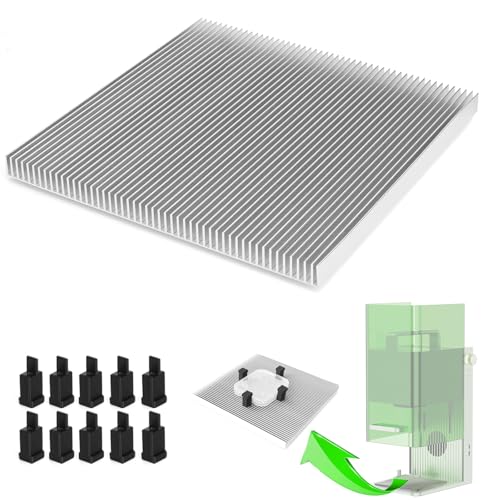
YIBEICO Upgraded Laser Engraving Cutting Platform for xTool F1,Aluminum Laser bed with The Groove Design, with 10 Positioning Plug, Enables L-Shaped Alignment, Prevent Warping
EXCELLENT HEAT DISSIPATION PERFORMANCE:The upgraded aluminum bed plate features densely designed backside cooling fins that significantly greatly increasing...
As an affiliate, we earn on qualifying purchases.
Conclusion
By embracing chaos engineering techniques, you uncover hidden weaknesses before they become disasters. As you intentionally break systems to test their resilience, you often find surprising strengths you never noticed. It’s almost poetic how chaos reveals order—showing you that sometimes, the best way to build stability is to invite a little disorder. So keep experimenting, learning, and adapting; because in the unpredictable dance of systems, resilience is born from embracing the unexpected.

ACMER Laser Engraver Machine, Upgrade S2 7000mW Laser Cutter, 0.01mm Precision, 300×300mm Engraving Area, 10000mm/min Speed, for Wood, Metal, Acrylic, Leather, DIY & Education
Fr*e AcmerTool Engraving Software Included: The engraver is fully optimized for AcmerTool, our self-developed engraving software, which is...
As an affiliate, we earn on qualifying purchases.

Adrattnay Laser Material Explore Kit, 218PCS Laser Engraving Supplies for Crafting, 29 Kinds Materials Includes Basswood, Acrylic, Leather, Metal Necklace Bracelet Ring for Engraver Machine
LASER MATERIAL EXPLORE KIT: The Laser Materials Explore Tool kit contains 218pcs laser materials, covering 27 materials and...
As an affiliate, we earn on qualifying purchases.