
In edge computing architecture, you improve low-latency systems by deploying distributed nodes close to data sources, reducing the distance data must travel. You should implement synchronization strategies like real-time data replication and consensus algorithms to keep data consistent across nodes. Conflict resolution protocols are essential to handle discrepancies quickly. These techniques enable immediate responses for critical applications. Continuing to explore these approaches will let you optimize your system’s responsiveness even further.
Key Takeaways
- Deploy distributed nodes close to data sources to minimize data travel time and reduce latency.
- Implement real-time data replication and synchronization protocols to ensure immediate data consistency across nodes.
- Use consensus algorithms and conflict resolution techniques to maintain reliable and coherent data states.
- Design scalable architectures that allow dynamic addition or removal of nodes without disrupting low-latency performance.
- Optimize local processing capabilities at edge nodes to enable swift decision-making and response times.

Have you ever wondered how data is processed so quickly in today’s connected world? The answer lies in the sophisticated architecture behind the scenes—specifically, edge computing. Instead of relying solely on centralized data centers, edge computing distributes processing tasks across multiple locations closer to where data is generated. This setup involves a network of distributed nodes, each capable of handling specific tasks, reducing the need to send all information to a distant cloud. By decentralizing data processing, you experience faster response times and lower latency, which are critical for real-time applications like autonomous vehicles, industrial automation, and smart cities. But to make this system work efficiently, data synchronization between these distributed nodes becomes paramount. When data flows across various nodes, keeping everyone on the same page ensures consistency and reliability. Without proper synchronization, data discrepancies may lead to errors or outdated information being used, which can be problematic in time-sensitive scenarios. That’s why strategies for data synchronization are central to edge computing architecture. Techniques such as consensus algorithms, conflict resolution protocols, and real-time replication help keep data consistent across multiple nodes. These methods ensure that whether a node processes a command locally or communicates with others, the system remains coherent and trustworthy. It’s a delicate balancing act—synchronizing data swiftly enough to support low-latency demands while maintaining accuracy across the network. You can think of it like a well-coordinated team working on a shared project; everyone needs to stay updated in real-time to avoid mistakes and delays. The use of distributed nodes and data synchronization also contributes to system resilience. If one node goes offline or experiences a failure, others can step in without disrupting the entire operation. This decentralization makes the architecture more fault-tolerant and scalable, allowing you to add or remove nodes as needed without significant reconfiguration. Additionally, edge computing with properly synchronized distributed nodes reduces the load on central servers, saving bandwidth and energy. It enables local decision-making, which is essential for applications requiring instant responses. By implementing robust synchronization protocols, you ensure data integrity and seamless operation across all nodes, creating a low-latency environment that adapts to the increasing demands of modern technology. As the distributed architecture evolves, incorporating advanced synchronization techniques becomes even more critical to ensure system efficiency and reliability. In summary, the combination of distributed nodes and effective data synchronization forms the backbone of an efficient, responsive edge computing architecture, empowering your systems to operate swiftly and reliably in an interconnected world.

Standing Desk – Walnut Solid Wood Desk, Natural Live Edge, Adjustable Height Dual Motor, Sit Stand for Home Office (Black, W48 x D27)
Durable Solid Wood Construction: This walnut standing desk is crafted with love and care using high-end walnut solid...
As an affiliate, we earn on qualifying purchases.
Frequently Asked Questions
How Does Edge Computing Handle Data Privacy Concerns?
You handle data privacy concerns in edge computing by using data encryption to protect sensitive information before it’s processed or transmitted. You also guarantee privacy compliance by following regulations like GDPR or CCPA, applying strict access controls, and implementing data anonymization when necessary. This way, you minimize risks, safeguard user data, and maintain trust while leveraging the low-latency benefits of edge computing.
What Are the Cost Implications of Deploying Edge Systems?
Imagine planting a garden: initial deployment costs for edge systems are like buying quality seeds and tools, which can be pricey upfront. You’ll also face ongoing maintenance expenses, such as updates and repairs, similar to watering and fertilizing. While the upfront costs might seem high, the long-term savings on data transfer and reduced latency often outweigh these expenses, making edge deployment a cost-effective choice in the long run.
How Scalable Are Edge Computing Solutions for Growing Data Needs?
You’ll find edge computing solutions quite scalable for growing data needs, but scalability challenges can arise as your data volume increases. To manage data growth effectively, you should implement modular infrastructure that allows you to add or upgrade nodes seamlessly. This flexibility helps you handle increased demand without sacrificing low latency. Regularly assess your system’s capacity and optimize data processing at the edge to make certain of smooth scalability and efficient data growth management.
What Are the Best Practices for Managing Edge Device Security?
You should prioritize device authentication and regular firmware updates to manage edge device security effectively. Investigate whether your authentication methods are robust enough to prevent unauthorized access, and confirm firmware updates are automated and timely to patch vulnerabilities. By consistently verifying device identities and maintaining updated software, you can reduce security risks, protect sensitive data, and keep your edge infrastructure resilient against cyber threats.
How Does Edge Computing Integrate With Existing Cloud Infrastructure?
You integrate edge computing with your existing cloud infrastructure by ensuring seamless data synchronization between devices and the cloud. This setup allows real-time processing at the edge while maintaining centralized data management. You also focus on device interoperability, enabling different hardware and software components to work together smoothly. By doing so, you improve system efficiency, reduce latency, and create a cohesive environment that leverages the strengths of both edge and cloud computing.
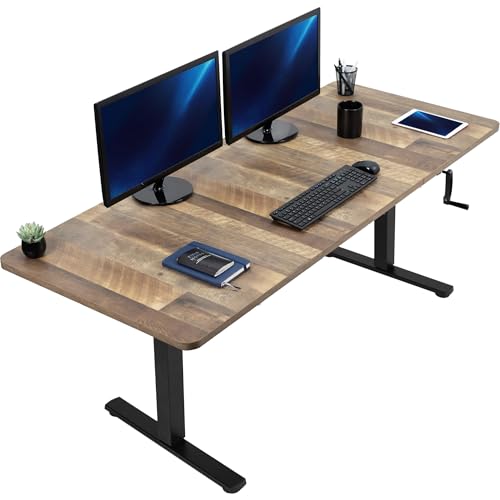
VIVO Manual Height Adjustable 71 x 30 inch Stand Up Desk, Reclaimed Wood Table Top, Black Frame, Standing Workstation with Foldable Handle, DESK-KIT-MB7P
Create Active Standing: Go from sitting to standing at the turn of a handle with this complete active...
As an affiliate, we earn on qualifying purchases.
Conclusion
By embracing the right edge computing architecture, you set the foundation for low-latency, high-performance systems that act like a well-oiled machine. Strategies like distributed processing and intelligent caching keep data moving swiftly, ensuring your applications respond at the speed of thought. Think of it as building a highway where data races effortlessly to its destination. With these strategies, you’re not just keeping up—you’re racing ahead in the fast lane of technology.

FLEXISPOT EN1 Solid Wood Standing Desk, 63 x 24 Inches One-Piece Desktop Electric Height Adjustable Desk, Sit Stand Desk for Home Office (White Frame, Rubber Wood Desktop)
PREMIUM SOLID WOOD QUALITY: Crafted from high-quality rubberwood, which is known for its durability and sturdiness, with excellent...
As an affiliate, we earn on qualifying purchases.

MUWOOD Standing Desk, Stand up Desk, 48x24 Inches Sit Stand Home Office Computer Desk with Power Outlet & Pegboard, Rubber Wood Top
HEAVY BEARING CAPACITY: This writing desk is made of 1.3mm steel. The table top is made of 1.2...
As an affiliate, we earn on qualifying purchases.