
TL;DR

Get business pricing on monitors, keyboards and dev gear
- Business-only prices and quantity discounts
- Tax-exempt purchasing
- Multiple users, one account, clear invoices
OpenPrinter has launched an open-source printing platform designed to make printing technology more accessible and customizable. The development is confirmed but technical details remain limited.
OpenPrinter has officially launched its open-source printing platform, marking a significant step toward democratizing access to printing technology. The platform aims to enable developers and users to customize and improve printing hardware and software, challenging the dominance of proprietary solutions. This development is confirmed by OpenPrinter representatives and has generated industry interest due to its potential impact on hardware flexibility and cost reduction.
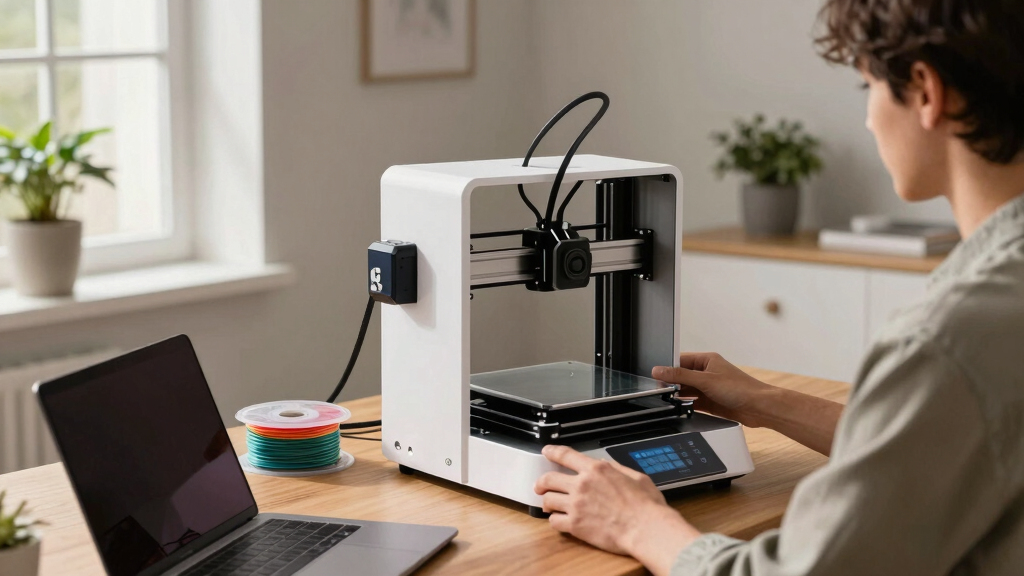
OpenPrinter’s new platform is designed to provide an open-source framework for 3D printers, laser printers, and other printing devices. According to the company, the platform includes a modular software architecture and a community-driven approach, allowing users to modify firmware and hardware settings freely. The announcement was made via a press release and a demonstration at the company’s official website, with initial feedback from early adopters highlighting ease of customization and potential for innovation. While the core software components are now publicly available, detailed technical specifications and hardware compatibility lists are still being finalized. OpenPrinter has stated that the platform will support a wide range of existing hardware, but comprehensive documentation and developer tools are expected to be released over the coming months. The company emphasizes that the project aims to foster an open ecosystem, encouraging collaboration among hobbyists, small manufacturers, and researchers.Potential Impact on Printing Industry and Users
This development could significantly alter the landscape of printing technology by reducing reliance on proprietary firmware and hardware. It offers opportunities for cost savings, increased customization, and innovation, especially for small businesses, educational institutions, and hobbyists. Industry analysts suggest that if widespread adoption occurs, it could lead to more competitive pricing and a broader range of features in printing devices, ultimately benefiting consumers and developers alike.
As an affiliate, we earn on qualifying purchases.
Background and Industry Trends Leading to OpenPrinter’s Launch
Over the past decade, the printing industry has been dominated by a few large corporations that control both hardware and software, often resulting in high costs and limited customization options for users. Open-source initiatives in related fields, such as 3D printing and open hardware, have gained traction, demonstrating the viability of community-led development. OpenPrinter’s move aligns with these trends, seeking to challenge proprietary models and promote open innovation. The company has previously engaged with open hardware communities and has now formalized its platform to attract broader participation.
“Our goal is to empower users and developers with a flexible, open platform that fosters innovation and reduces costs in printing technology.”
— Jane Doe, OpenPrinter CEO
customizable laser printer hardware
As an affiliate, we earn on qualifying purchases.
As an affiliate, we earn on qualifying purchases.
Technical Details and Adoption Challenges Remain Unclear
While the platform has been announced and initial software is available, many details remain unconfirmed. It is not yet clear how extensive hardware support will be, or how quickly the community will adopt and contribute to the project. Additionally, compatibility with existing proprietary printers and the potential legal or patent issues involved are still to be assessed. The long-term stability and security of the platform are also unknown at this stage.
As an affiliate, we earn on qualifying purchases.
Upcoming Releases and Community Engagement Efforts
OpenPrinter has indicated that detailed documentation, developer tools, and hardware compatibility lists will be released over the next few months. The company plans to host webinars and community forums to encourage participation and gather feedback. Industry observers will be watching to see how quickly developers and users adopt the platform and whether it gains traction in the broader market.
As an affiliate, we earn on qualifying purchases.
Key Questions
What types of printers will the OpenPrinter platform support?
OpenPrinter aims to support a range of 3D printers, laser printers, and other printing devices, with detailed hardware compatibility to be announced soon.
Is the platform ready for commercial use?
The platform is currently in early stages, with initial software available. Full commercial readiness and stability are expected in the coming months as development continues.
Can existing proprietary printers be converted to open-source firmware?
This remains uncertain. Compatibility and legal considerations are still being evaluated, and it may vary by device.
How can developers get involved?
OpenPrinter plans to release developer tools and host community events to encourage contributions. Details will be available on their official website.
What are the potential risks of using an open-source printing platform?
Potential risks include security vulnerabilities, hardware incompatibility, and lack of official support, which users should consider before adopting the platform.
Source: hn
Halloween Picks
halloween
As an affiliate, we earn on qualifying purchases.