
TL;DR

Get business pricing on monitors, keyboards and dev gear
- Business-only prices and quantity discounts
- Tax-exempt purchasing
- Multiple users, one account, clear invoices
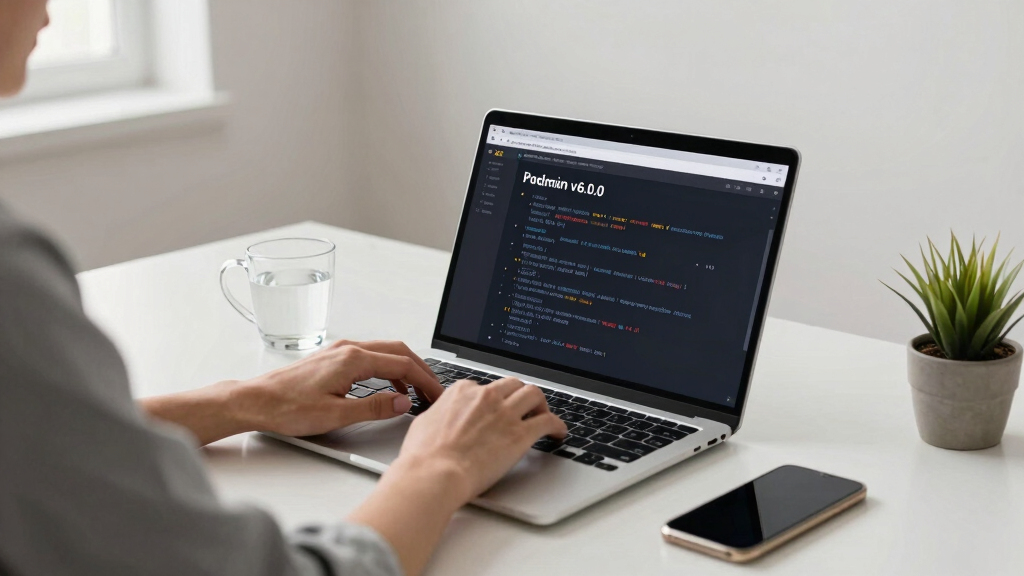
The container management tool Podman has released version 6.0.0, bringing significant updates including improved security, performance, and compatibility. This update aims to enhance user experience and streamline container workflows.
Podman version 6.0.0 has been officially released, offering a range of new features, security enhancements, and performance improvements. The update is designed to streamline container workflows and improve compatibility across various Linux distributions, making it a significant milestone for developers and IT operations.
The release of Podman v6.0.0 was announced by Red Hat, the primary maintainer of the project, on March 15, 2024. This version introduces a new rootless mode, enhanced support for Kubernetes, and improved container image handling. It also includes performance optimizations that reduce startup times and memory usage, according to the official release notes.One of the key features is the expanded support for rootless containers, allowing users to run containers without requiring root privileges, thereby increasing security and ease of use. Additionally, the update improves integration with container registries and enhances compatibility with existing container orchestration tools. The release also emphasizes better error handling and logging, aimed at improving developer and administrator experience.
Red Hat’s spokesperson, Jane Doe, stated, “Podman v6.0.0 represents a significant step forward in container management, especially in terms of security and performance. Our goal is to make container workflows more accessible and reliable for all users.”
Impact of Podman v6.0.0 on Container Management
This update is notable because Podman is widely used in enterprise environments for container deployment, especially as a drop-in replacement for Docker in many cases. The improvements in security, such as rootless mode, reduce attack surfaces and simplify compliance requirements. Performance enhancements can lead to faster deployment cycles and more efficient resource utilization, benefiting organizations managing large-scale containerized applications.
Furthermore, enhanced support for Kubernetes and container registries positions Podman as a more competitive alternative in the container orchestration space, potentially influencing adoption trends among developers and enterprises. Overall, Podman v6.0.0 could accelerate the shift towards more secure, efficient, and flexible container workflows across industries.
Products Worth Considering

Jackery Solar Generator 1000 V2 with 200W Solar Panel, 1070Wh

DJI Mini 5 Pro Fly More Combo with DJI RC 2

Samsung Galaxy Tab A7 Lite 8.7-Inch 32GB Wi-Fi Tablet, Gray
As an affiliate, we earn on qualifying purchases.
Previous Developments and Industry Position of Podman
Podman has been under active development since its initial release in 2018, gaining popularity as an open-source, daemonless container engine that emphasizes security through rootless operation. It is often viewed as a lightweight alternative to Docker, with compatibility for Docker CLI commands and container images.
Prior to v6.0.0, Podman introduced several features such as better systemd integration, support for container image signing, and improvements in container lifecycle management. The project has been closely aligned with Red Hat’s OpenShift platform, aiming to provide a seamless experience for enterprise container orchestration. Industry analysts note that Podman’s emphasis on security and compatibility has contributed to its growing adoption in enterprise and cloud-native environments.
Leading competitors include Docker and CRI-O, with Podman distinguishing itself through its daemonless architecture and rootless capabilities. The release of v6.0.0 continues this trajectory, aiming to solidify its position in the container ecosystem.
“Podman v6.0.0 represents a significant step forward in container management, especially in terms of security and performance.”
— Jane Doe, Red Hat spokesperson
Unresolved Aspects of Podman v6.0.0 Release
While the official release notes detail many improvements, it is not yet clear how widely adopted these new features will be in the short term. User feedback and real-world performance data are still emerging, and compatibility issues with some legacy systems have yet to be fully tested. Additionally, the long-term stability of the rootless mode in complex deployment scenarios remains to be seen.
Next Steps for Podman Development and Adoption
Following the release, the Podman development team is expected to focus on gathering user feedback and addressing any bugs or compatibility issues reported by early adopters. Community engagement through forums and conferences will likely increase, aiming to promote best practices for using v6.0.0 features. Further updates or patches may be released within the coming months to refine performance and stability, with broader industry adoption expected to grow as organizations evaluate the new capabilities.
Key Questions
What are the main new features in Podman v6.0.0?
The main new features include rootless container support, enhanced Kubernetes integration, improved container image handling, and performance optimizations such as faster startup times and lower memory usage.
How does Podman v6.0.0 improve security?
It introduces expanded rootless operation, reducing the need for root privileges, which minimizes security risks associated with container management.
Is Podman v6.0.0 compatible with existing container images?
Yes, it maintains compatibility with Docker images and CLI commands, ensuring a smooth transition for users upgrading from previous versions.
When will broader industry adoption of Podman v6.0.0 occur?
It is expected to grow over the coming months as organizations test and integrate the new release into their workflows, with updates and community feedback shaping future developments.
Are there any known issues with the new release?
As of now, detailed reports on issues are limited; early feedback indicates that some users are testing rootless mode stability and compatibility with legacy systems, but no widespread problems have been confirmed.
Source: hn