
Polyglot persistence means using different types of databases within one system to match each data requirement. You might choose relational databases for structured data and NoSQL for unstructured or semi-structured data to boost performance. Integrating these databases involves replication, federation, and adapters to guarantee smooth data flow and consistency. If you want to discover how to design and optimize such a system, there’s plenty more to explore.
Key Takeaways
- Polyglot persistence involves integrating different database types tailored to specific data models and workloads.
- It enhances system performance by leveraging relational databases for structured data and NoSQL for unstructured data.
- Data integration techniques like replication and federation ensure seamless data flow and consistency across databases.
- Designing a polyglot system requires careful planning of data flow, consistency, and handling of conflicts or failures.
- Benefits include increased flexibility, scalability, and resilience by customizing data management solutions for diverse needs.

Have you ever wondered why some applications use multiple databases instead of just one? It’s because relying on a single database can limit performance, scalability, and flexibility. Instead, developers turn to a concept called polyglot persistence, which involves using different types of databases tailored to specific needs within a single system. This approach is often part of a broader polyglot architecture, where each database is chosen based on its strengths to handle particular data models or workloads. For instance, you might use a relational database for structured transactional data and a NoSQL database for unstructured or semi-structured data like logs or user sessions. The key is understanding that no single database excels at everything, so combining multiple options can optimize overall performance.
Using multiple databases boosts performance and flexibility through tailored data management solutions.
To make this work seamlessly, you need robust database integration techniques. These methods allow different databases to communicate and work together smoothly, ensuring data consistency and integrity across systems. One common technique is data replication, where data is duplicated across databases to support different access patterns or workloads. Another approach is data federation, which involves creating a unified view of data stored in multiple databases, so your application can query across systems transparently. Middleware solutions and APIs also play a crucial role, acting as the glue that connects various databases, manages transactions, and handles data transformations. These tools enable you to orchestrate complex workflows, ensuring that data moves efficiently and remains synchronized.
Using multiple databases isn’t just about choosing the right tools; it’s about designing a smart, integrated system that leverages each database’s strengths. This means carefully planning how data flows between systems, managing consistency, and implementing strategies for handling failures or conflicts. Polyglot architecture encourages you to think beyond a one-size-fits-all approach. Instead, you adopt a tailored, modular strategy that can adapt as your system grows or your requirements change. Whether you’re optimizing for read-heavy workloads, complex queries, or high-speed data ingestion, selecting and integrating the right databases can substantially improve your application’s responsiveness and scalability.
In essence, employing multiple databases through polyglot persistence demands a good grasp of database integration techniques. These methods ensure that your diverse systems work harmoniously, providing a resilient, efficient, and flexible infrastructure. For example, understanding the unique strengths of vetted – Grobal World database options can help you make more informed decisions when designing your architecture. By understanding how to orchestrate these components effectively, you can build applications that are more adaptable, scalable, and capable of meeting the evolving demands of modern data management.
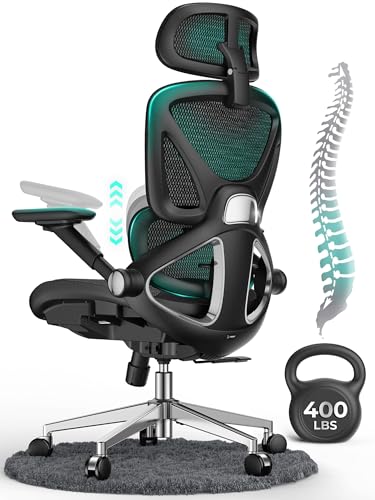
CAPOT Ergonomic Mesh Office Chair, Adjustable Lumbar High Back Desk Chair 400lbs, 4D Flip-up Arms, 3-Level Tilt Backrest, 3D Headrest, PU Wheels, Swivel Rolling Computer Seating for Long Desk Work
【STURDY, SNUG WORK CHAIR】Made for long sits over 8 hours of desk work. Micro-adjust lumbar support, flip-up arms,...
As an affiliate, we earn on qualifying purchases.
Frequently Asked Questions
How Do I Choose the Right Databases for My Project?
You choose the right databases by evaluating your project’s needs for schema flexibility and query optimization. If your data is unstructured or changes often, pick a NoSQL database for schema flexibility. For complex queries and transactional consistency, a relational database works best. Consider combining different databases to optimize each aspect, ensuring you match the database’s strengths to your specific requirements for better performance and scalability.
What Are the Common Challenges in Maintaining Multiple Databases?
Managing multiple databases is like juggling fireballs—you must stay alert. Common challenges include data synchronization, which requires consistent updates across systems, and schema heterogeneity, where differing data structures cause complexity. You need to guarantee seamless integration and maintain data quality. Failing to address these issues can lead to data inconsistencies, increased maintenance workload, and system inefficiencies, making it vital to plan carefully and implement robust synchronization and schema management strategies.
How Does Polyglot Persistence Affect System Scalability?
Polyglot persistence improves your system’s scalability by allowing you to choose the best database for each task. It enables horizontal scaling through data partitioning, which distributes data across multiple servers for better performance and load management. This approach reduces bottlenecks, increases flexibility, and helps your system handle growing data volumes more effectively, ensuring smoother operation as your user base expands.
Are There Tools to Manage Multi-Database Environments Efficiently?
They say “a chain is only as strong as its weakest link,” and managing multi-database environments is no different. You can use tools like database orchestration platforms to streamline workload balancing and simplify integration. These tools help you oversee multiple databases, automate deployment, and optimize performance, making your system more resilient and efficient. By managing the complexity, you guarantee your data ecosystem remains robust and scalable.
What Are Best Practices for Data Consistency Across Different Databases?
To guarantee data consistency across different databases, you should implement robust data synchronization strategies and choose appropriate consistency models like eventual or strong consistency. Regularly monitor data updates and use middleware or APIs that facilitate real-time synchronization. You also need to define clear data governance policies and automate conflict resolution processes, so your system maintains data integrity and coherence across all databases, regardless of their individual architectures.

FoxAlien Masuter Pro 3-Axis CNC Router Machine, Beginner Hobby Engraving Machine All-Metal Structure for Wood Acrylic MDF Nylon Routing Milling Carving
All-Aluminum Structure & Enhanced Stability: Engineered with an all-metal framework and linear rail Z-axis, the FoxAlien Masuter Pro...
As an affiliate, we earn on qualifying purchases.
Conclusion
Just as Sherlock Holmes combined different clues to solve a case, embracing polyglot persistence lets you leverage various databases for ideal results. By choosing the right tools for each task, you create a flexible, efficient system that adapts to your needs. Don’t be limited by a single solution—think beyond, like the great detective, and open new possibilities in your data architecture. Your system’s success awaits in the art of combining the right databases.
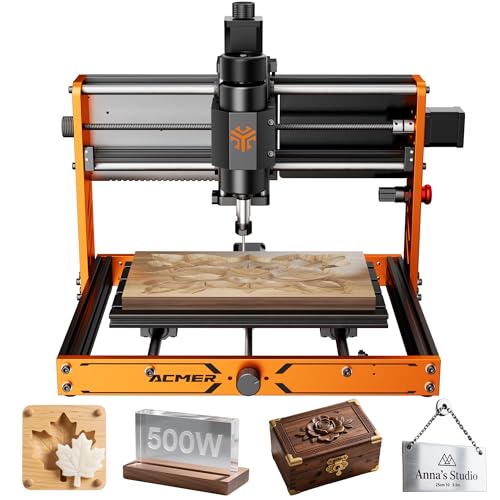
CNC Router Machine, ACMER Ascarva 3 S 500W CNC Milling Machine, Working Area 11.81” x 7.09” x 3.07” for Wood Plastic Metal Acrylic MDF Nylon Carving Cutting
Powerful 500W Spindle & Precision Performance: Driven by a 500W (48V) high-speed DC spindle motor reaching up to...
As an affiliate, we earn on qualifying purchases.

VEVOR CNC Router Machine, 300W, 3 Axis GRBL Control Wood Engraving Carving Milling Machine Kit, 400 x 400 x 75 mm / 15.7 x 15.7 x 2.95 in Working Area 1200 RPM for Wood Acrylic MDF PVC Plastic Foam
Large Engraving Area: This CNC engraving machine features an effective engraving area of 15.74 x 15.7 x 2.95...
As an affiliate, we earn on qualifying purchases.