
Your comfort and proper IPD adjustment directly impact your VR experience, making it clearer, more immersive, and less fatiguing. When headsets fit well and align with your eye distance, you’ll avoid eye strain, headaches, and discomfort over long sessions. No flashy specs can replace a device that feels natural and tailored to you. If you want to know how to optimize your headset for maximum comfort and clarity, keep exploring the essentials.

Get business pricing on monitors, keyboards and dev gear
- Business-only prices and quantity discounts
- Tax-exempt purchasing
- Multiple users, one account, clear invoices
Key Takeaways
- Proper comfort and fit prevent physical strain, fatigue, and distractions, ensuring a more enjoyable VR experience.
- Accurate IPD adjustment enhances visual clarity, reduces eye strain, and improves immersion during extended use.
- Marketing claims often focus on specs, but comfort features directly impact usability and long-term satisfaction.
- Well-designed headsets with adjustable features accommodate individual differences, making VR more accessible and comfortable.
- Prioritizing comfort and proper calibration over flashy features results in safer, more sustainable VR sessions.
As an affiliate, we earn on qualifying purchases.
Why Comfort Matters for Immersive VR Experiences
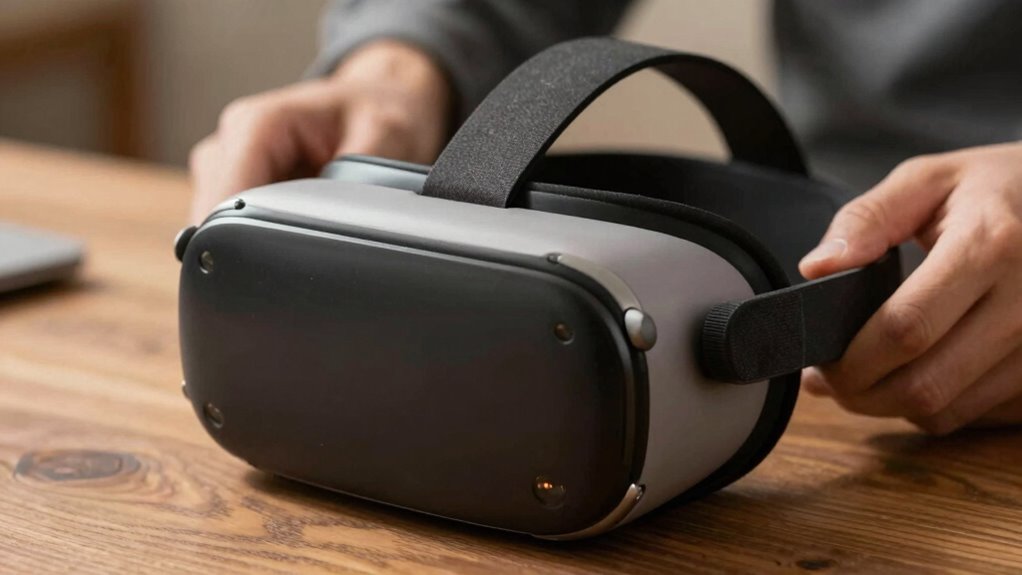
Comfort is essential for immersive VR experiences because if your headset causes discomfort, you’ll quickly become distracted or want to take it off altogether. When your headset fits well, you can enjoy extended sessions without irritation. Features like adjustable straps and padding help, but comfort also depends on haptic feedback, which should feel natural and not overwhelming. If haptic feedback is too intense or poorly calibrated, it can cause fatigue or discomfort. Battery life also plays a role—if your headset runs out of power mid-session, it disrupts immersion and forces you to stop. A longer-lasting battery lets you stay engaged without frequent interruptions. Prioritizing comfort, including balanced haptic feedback and reliable battery life, guarantees you stay immersed and fully enjoy your VR experience. Additionally, proper headset sizing contributes significantly to comfort, ensuring a snug yet comfortable fit for extended use. Understanding the importance of adjustable components can help tailor the fit to your unique head shape and enhance overall comfort during prolonged use. Incorporating sound therapy techniques into headset design may also help reduce discomfort caused by prolonged use and improve overall user experience. Considering materials used in headset construction can further enhance comfort by reducing pressure points and skin irritation over time. Moreover, selecting ergonomic designs that conform to natural head and neck movements can significantly reduce fatigue during extended VR sessions.
comfortable VR headset for long sessions
As an affiliate, we earn on qualifying purchases.
As an affiliate, we earn on qualifying purchases.
How IPD Adjustment Affects Visual Clarity and Comfort
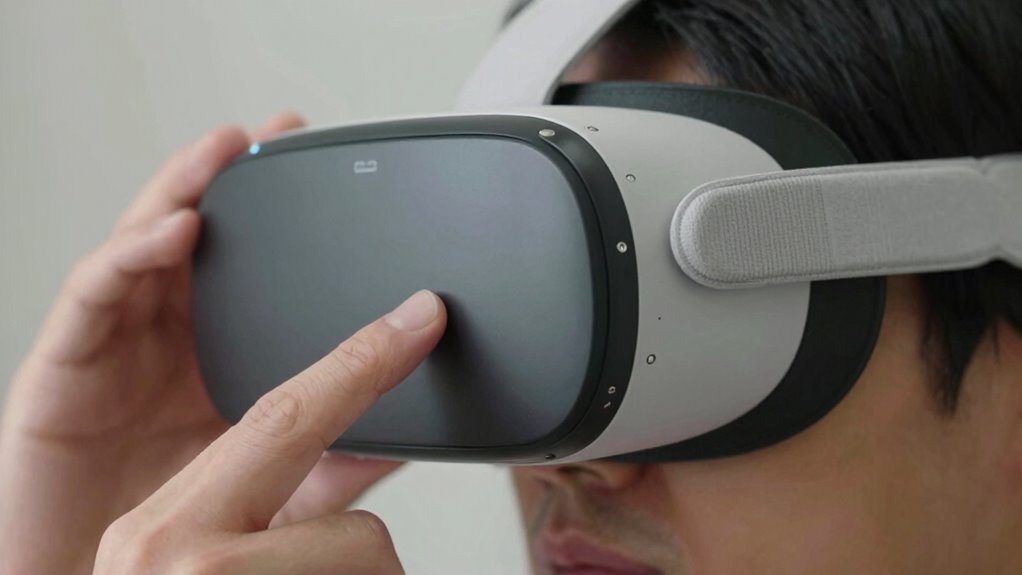
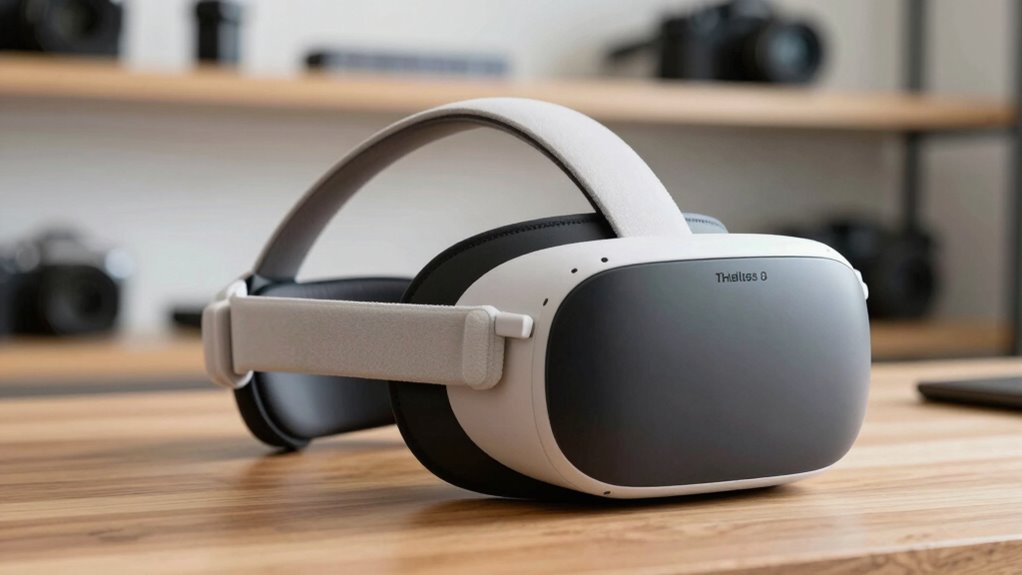
Adjusting the IPD, or interpupillary distance, is vital for both visual clarity and comfort in VR headsets. When you set the correct IPD, you reduce lens distortion and improve color accuracy, creating a more natural viewing experience. Proper adjustment ensures that the lenses align with your eyes, minimizing eye strain and headaches. Here’s how IPD impacts your experience:
- Enhanced clarity: Proper IPD reduces lens distortion, making images sharper and more precise.
- Better color accuracy: Accurate IPD alignment preserves true colors, preventing washed-out or skewed visuals.
- Increased comfort: Correct IPD reduces eye fatigue and discomfort, letting you enjoy longer VR sessions without strain. Additionally, understanding visual alignment techniques can further enhance your VR experience by ensuring optimal clarity and comfort.
- Understanding digital concepts like IPD adjustment helps users optimize their experiences and explore new frontiers in digital content and research. Being aware of visual correction methods also allows users to customize their setups for maximum performance and comfort.
Adjusting your IPD isn’t just about fit; it’s vital for maximum visual performance and comfort.
VR headset with customizable fit
As an affiliate, we earn on qualifying purchases.
As an affiliate, we earn on qualifying purchases.
What VR Headset Features Really Matter Beyond Marketing Claims
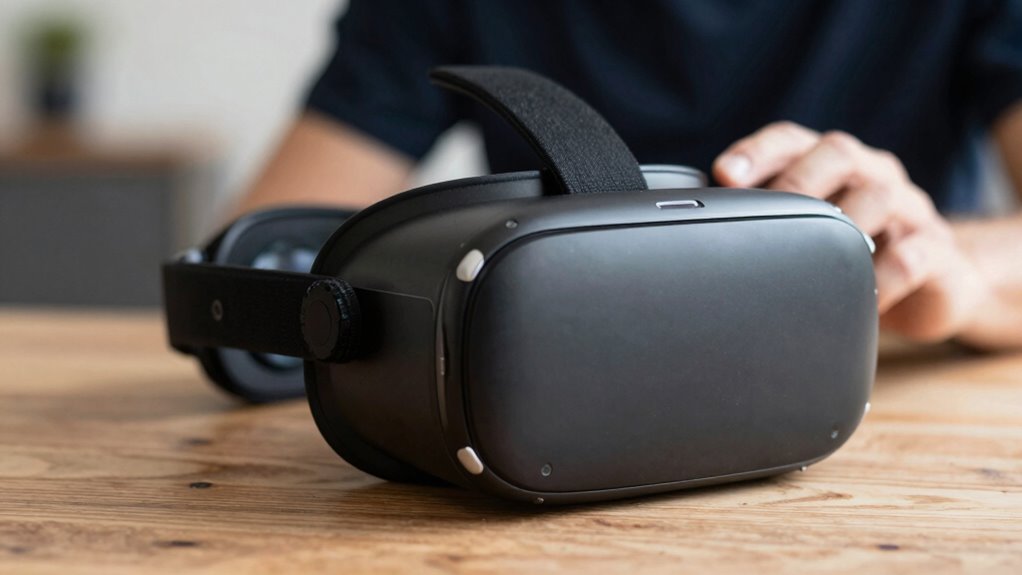
While flashy marketing claims often highlight features like high resolutions or the latest sensors, what truly matters in a VR headset are the details that impact your experience day-to-day. For virtual reality gaming, comfort and ease of use are critical—features like adjustable head straps, balanced weight distribution, and clear lenses make a big difference. Don’t get distracted by marketing hype around specifications; focus on how well the headset fits and how natural it feels during extended sessions. Additionally, ergonomic design plays a crucial role in reducing fatigue and discomfort during prolonged use. A well-designed ergonomic structure can also help prevent common issues like pressure points and discomfort during long gaming sessions. Also, consider the quality of VR headset accessories, such as controllers and face cushions, which can enhance immersion and comfort. Ultimately, reliable, user-friendly features that improve your immersion and comfort will make your VR experience far more enjoyable than just chasing the newest tech specs. Paying attention to comfort and fit can greatly influence your overall satisfaction with the device. Furthermore, selecting a headset with adjustable straps ensures a personalized fit that can prevent discomfort over long periods. Selecting a headset with proper weight distribution can also significantly reduce strain during extended use.
ergonomic virtual reality headset
As an affiliate, we earn on qualifying purchases.
As an affiliate, we earn on qualifying purchases.
How to Test and Adjust Your VR Headset for Better Fit
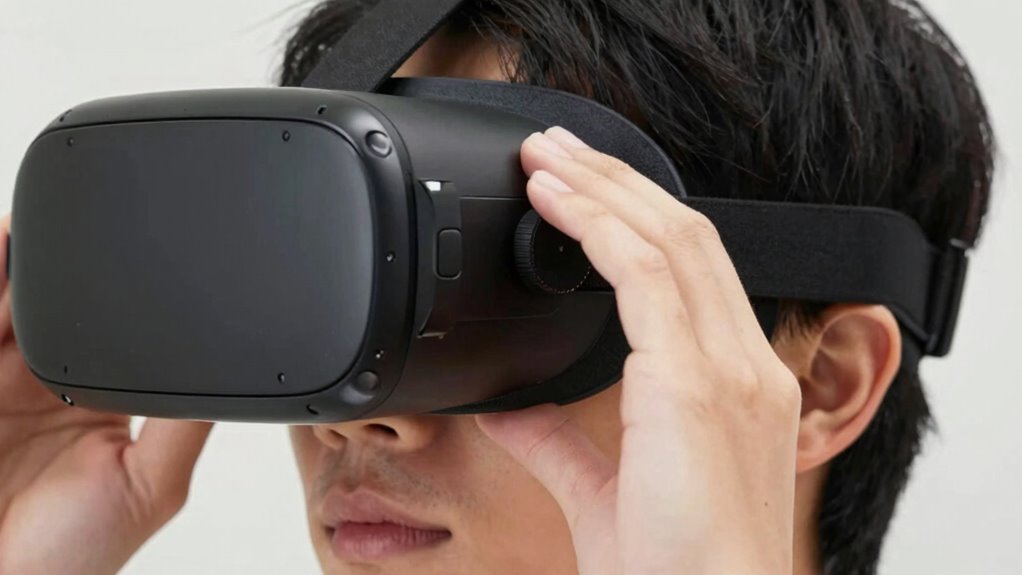
To get the best experience, start by adjusting the straps so the headset feels snug but not tight. Next, check your IPD setting and tweak it until the images line up comfortably for your eyes. Finally, make sure the headset sits evenly on your face, so it feels secure without causing discomfort. Incorporating sustainable fabric technology in your headset cushions can also enhance comfort and durability over time. Paying attention to inter-pupillary distance ensures optimal image alignment and reduces eye strain for prolonged use. Additionally, understanding cybersecurity tactics can help protect your personal data while enjoying immersive VR experiences. Being aware of sound design techniques can also improve your overall audio experience during extended use. Remember, a well-fitted headset not only improves comfort but also aligns with a mindful approach to user well-being.
Adjust Straps Properly
Getting the straps right is essential for a comfortable and secure VR experience. Proper adjustment guarantees your headset stays in place and reduces discomfort. To do this effectively, consider these steps:
- Tighten the straps evenly so the headset sits snugly without pressing too hard on your face, ignoring fleeting fashion trends or marketing hype that promises instant comfort.
- Check that the straps aren’t too loose, causing the headset to shift during movement, which can ruin immersion.
- Make sure the straps aren’t overly tight, as this can cause pressure points and fatigue, regardless of how stylish or trendy the headset looks.
- Regularly inspect and adjust your headset to ensure a consistent fit, especially if you wear it for extended periods or after physical activity, since proper fit is key to maintaining comfort and performance.
- Consider the ergonomic design of your headset, as models with better weight distribution and adjustable features can significantly improve overall comfort.
Check IPD Settings
Proper strap adjustments help keep your headset stable, but even the best fit won’t feel right if the IPD setting isn’t correct. To check your IPD, go into your headset’s calibration menu and adjust the lenses until the virtual images line up perfectly with your eyes. Accurate IPD ensures your eyes aren’t straining, which can affect color calibration, making visuals appear off or blurry. When your IPD is set correctly, your headset’s display can deliver essential clarity, enhancing immersion. Remember, frequent adjustments may be needed if you notice eye fatigue or inconsistent visuals. While fine-tuning IPD, also consider your device’s battery life—using the headset for extended periods can drain power faster if settings aren’t refined. Properly calibrated IPD improves comfort and visual quality, making every VR session more enjoyable. Additionally, choosing high-quality solar panels and energy storage can help ensure your device remains powered during long VR sessions, preventing interruptions. Regularly checking your visual alignment can help maintain comfort and optimal visual performance, especially since the natural eye position may vary from person to person. Being aware of how eye strain impacts your experience can encourage more frequent adjustments and better overall comfort, especially when the individual fit of the headset is optimized.
Ensure Comfortable Fit
A comfortable fit is essential for an enjoyable VR experience, and ensuring your headset sits properly can make all the difference. To test and improve your fit, start with these steps:
- Adjust the straps to achieve a snug but not tight fit, ensuring the headset stays steady during movement.
- Perform breathing exercises to relax your muscles, reducing tension around your face and head.
- Focus on posture alignment by sitting upright, which helps distribute pressure evenly and prevents discomfort during extended use.
Recognizing Signs of Poor Fit and Discomfort During VR Sessions
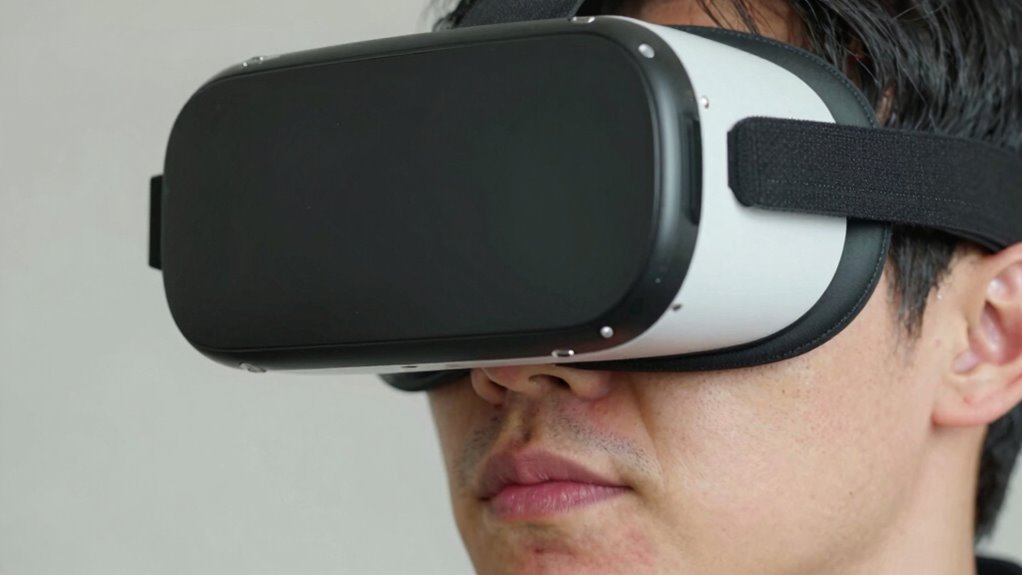
Spotting signs of poor fit and discomfort during VR sessions is essential to ensuring a positive experience. If your headset feels loose, slides around, or causes pressure points, you’ll likely experience discomfort or even headaches. Pay attention to haptic feedback—if it feels uneven or overly intense, it might indicate misalignment or poor fit. You may also notice increased motion sickness, such as dizziness or nausea, which often results from improper headset positioning or strain. Keep an eye on your body’s reactions—if you’re squirming, adjusting frequently, or feeling eye strain, these are signs your headset isn’t fitting correctly. Recognizing these cues early helps you take action to improve comfort and avoid long-term strain.
How to Adjust IPD on Your VR Headset
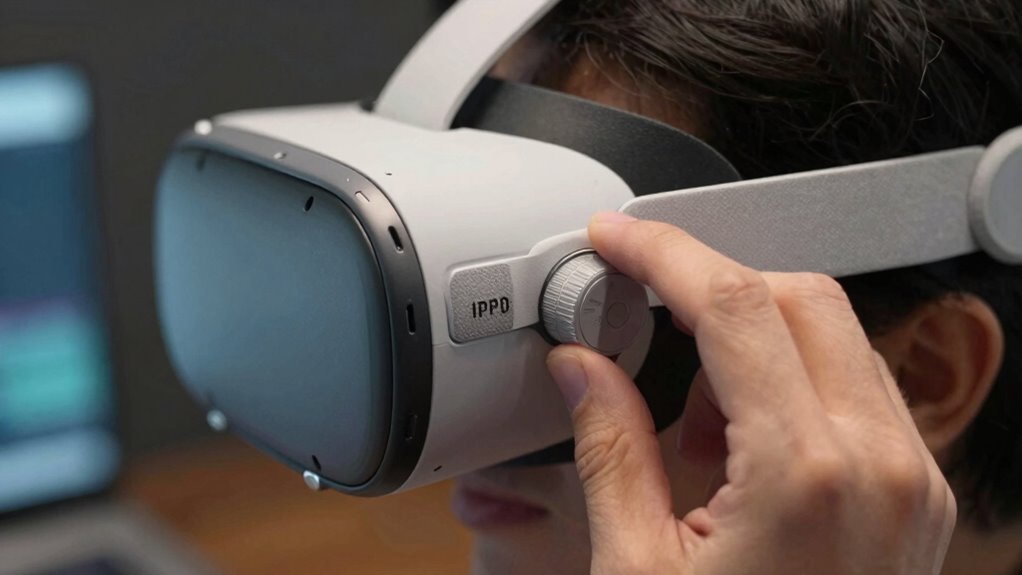
Adjusting the IPD (interpupillary distance) on your VR headset is crucial for clear visuals and comfort, and luckily, most headsets make this process straightforward. Proper IPD alignment ensures sharp images and reduces eye strain, especially during extended sessions involving hand tracking. To adjust your headset:
- Locate the IPD adjustment dial or sliders, usually on the bottom or sides of the headset, and move it until the lenses align with your pupils.
- Test the clarity by looking at different objects; fine-tune the adjustment for ideal focus.
- Once set, confirm the adjustment doesn’t interfere with your headset’s comfort or battery life, which can impact long-term use or motion tracking accuracy.
Correct IPD setting enhances immersion and reduces discomfort during longer gameplay or work sessions.
Comparing VR Headsets: Comfort and IPD Features to Consider
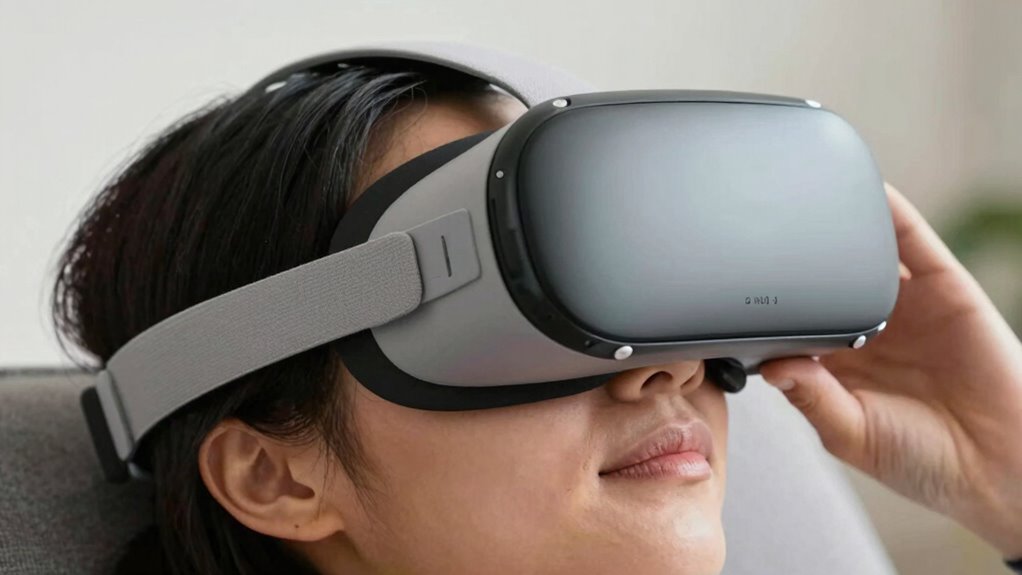
When comparing VR headsets, focus on adjustable IPD range to guarantee a comfortable, clear image for your eyes. Look for ergonomic comfort features like lightweight design and soft padding that reduce fatigue during extended use. These aspects directly impact your experience and should matter more than marketing claims.
Adjustable IPD Range
A key factor in choosing a comfortable VR headset is its adjustable IPD range, which allows you to customize the lens distance to match your eye spacing. This feature guarantees you see a clear, sharp virtual environment without eye strain or blur. When comparing headsets, consider:
- The minimum and maximum IPD measurements, to ensure your eye spacing falls within the range.
- The ease of adjustment, so you can quickly tweak the lenses for maximum comfort.
- How well the adjustment affects the user interface and overall visual clarity.
A suitable adjustable IPD range enhances immersion and comfort, making interactions in the virtual environment smoother. It also prevents headaches or discomfort during extended use, allowing you to focus on experiences rather than hardware limitations.
Ergonomic Comfort Features
Comfort isn’t just about finding the right IPD; ergonomic design features greatly impact how long you can wear a headset without discomfort. Look for adjustable straps, balanced weight distribution, and padding that contours to your face. Material quality also matters—soft, breathable fabrics reduce skin irritation, while sturdy, lightweight materials prevent fatigue. An ergonomic design minimizes pressure points, preventing headaches and discomfort during extended use. Pay attention to how the headset fits around your forehead and cheeks, ensuring it’s snug but not tight. High-quality materials combined with thoughtful ergonomic design ensure a comfortable experience, allowing you to focus on your virtual environment instead of discomfort. Choosing a headset with these features makes a noticeable difference in long-term comfort and overall usability.
Why Long-Term Comfort and IPD Fit Are Critical for Extended Use
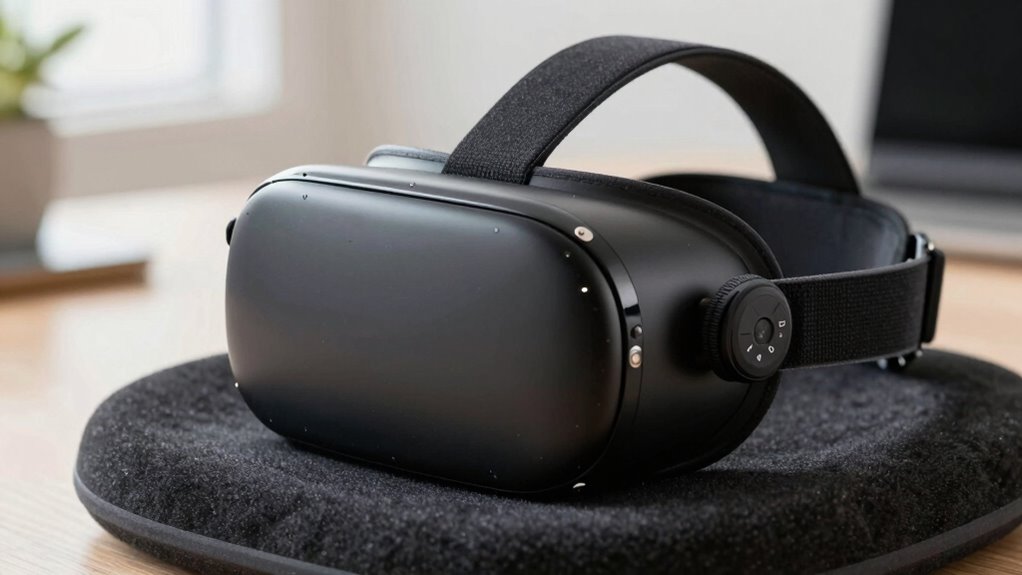
Long-term comfort and proper IPD fit are essential because extended use can quickly turn a good pair of glasses or VR headset into an uncomfortable experience. When considering virtual ergonomics, your focus should be on how well the headset matches your unique eye distance and comfort needs. Poorly designed headset materials can cause pressure points or discomfort over time. To guarantee a better experience, keep in mind:
- Choose lightweight, breathable headset materials that reduce fatigue.
- Prioritize adjustable IPD settings for precise visual alignment.
- Look for ergonomic designs that evenly distribute weight and minimize pressure.
These factors help maintain comfort during long sessions, preventing eye strain and physical discomfort, and ensuring your VR experience remains enjoyable and sustainable.
Tips for Choosing a VR Headset That Prioritizes Comfort and Visual Fit
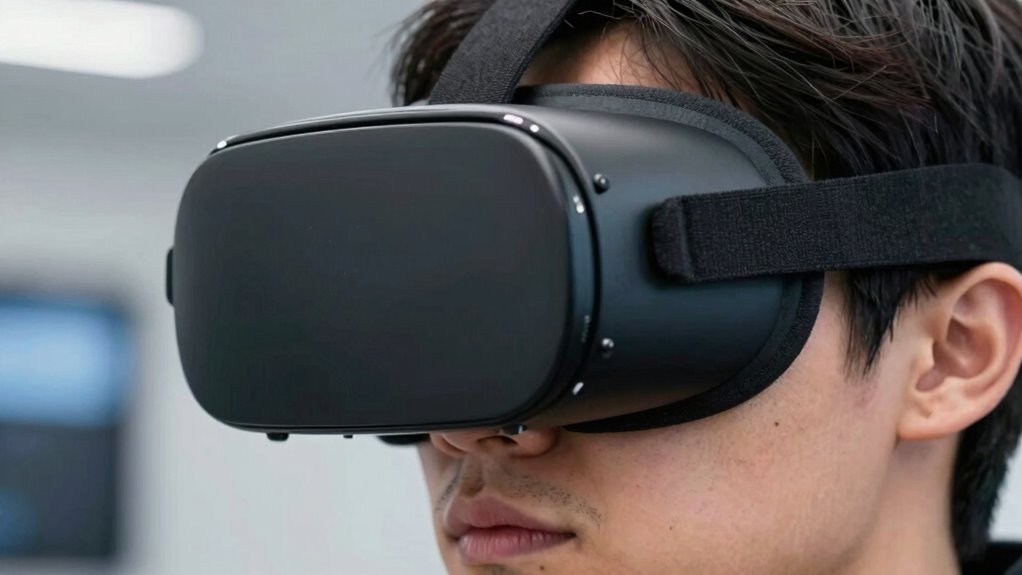
When selecting a VR headset, prioritizing comfort and visual fit can make or break your experience, especially during extended use. Look for adjustable straps and customizable IPD settings to guarantee your lenses align perfectly with your eyes. A headset with good haptic feedback enhances immersion without causing discomfort, so test how well it responds without excessive pressure. Battery life is also essential; longer sessions demand a device that can run comfortably for hours without frequent recharging. Consider weight distribution—balanced headsets reduce strain on your neck. Comfort features like cushioned face pads and ventilation help prevent fatigue. By focusing on these aspects, you’ll find a headset that fits well, feels natural, and allows you to enjoy VR without distraction.
Frequently Asked Questions
How Often Should I Recalibrate My VR Headset’s IPD?
You should recalibrate your VR headset’s IPD whenever you notice increased eye strain or blurred vision during use. Calibration frequency varies depending on your eye health and comfort, but a good rule is to check every few weeks or if your visual clarity feels off. Regularly adjusting your IPD helps prevent eye strain, guarantees sharp visuals, and keeps your VR experience comfortable and immersive.
Can Poor Comfort Cause Long-Term Eye Strain?
Poor comfort can definitely cause long-term eye strain, with studies showing that prolonged eye fatigue affects up to 80% of VR users. When your headset isn’t comfortable, you tend to adjust your posture, leading to posture issues that can worsen eye fatigue over time. Uncomfortable headsets strain your eyes more, making it harder to focus and increasing the risk of long-term discomfort. Prioritize comfort to protect your eyes and maintain proper posture.
Are There Affordable VR Headsets With Customizable IPD Settings?
Yes, there are affordable VR headsets with customizable IPD settings. You can find options like the Oculus Quest 2 and HTC Vive Cosmos Elite that offer customization options, allowing you to adjust the IPD for better comfort and clarity. When considering affordability factors, these headsets strike a good balance between price and features, making it easier for you to enjoy a comfortable, personalized VR experience without breaking the bank.
How Does Headset Weight Impact Comfort During Extended Use?
Heavier headsets can cause discomfort during extended use because they strain your neck and cause pressure points. An ergonomic design and proper weight distribution help minimize this discomfort by evenly spreading the weight across your head. When choosing a headset, look for lightweight models with balanced weight distribution, as they reduce fatigue and improve comfort during long sessions. This makes your VR experience more enjoyable and less tiring.
What Are the Best Practices for Maintaining Headset Hygiene and Comfort?
Think of your headset like a trusty saddle—it needs regular care to stay comfortable and functional. Follow hygiene protocols by cleaning the padding and straps after each use, and use gentle disinfectants. For comfort, customize fit with adjustable straps or padding. This keeps your headset fresh and cozy, preventing discomfort and skin irritation, so your experience remains enjoyable and safe every time you put it on.
Conclusion
Remember, your comfort and precise IPD adjustment are the lenses that turn VR from a headache into a portal of immersive wonder. Think of your headset as a finely tuned instrument—when it fits just right, every detail pops, and fatigue disappears. Ignoring comfort is like wearing ill-fitting glasses; everything blurs and strains. Prioritize your fit and visual clarity, and you’ll reveal the true magic of VR—where every moment feels effortless and extraordinary.
Evergreen bestsellers Picks
bestsellers
As an affiliate, we earn on qualifying purchases.