
Uber’s real-time architecture combines data streaming and distributed systems to handle millions of rides daily. You benefit from instant updates on driver locations, traffic changes, and ride requests, ensuring quick matching and smooth trips. The system spreads tasks across multiple servers, reducing delays and preventing bottlenecks, even during peak hours. This setup maintains high reliability and responsiveness, so you experience seamless service. Keep exploring to uncover how Uber keeps everything running flawlessly at such a massive scale.
Key Takeaways
- Uber utilizes distributed systems architecture to process millions of ride requests simultaneously with minimal latency.
- Real-time data streaming enables instant updates of driver locations, ride status, and traffic conditions across the platform.
- The system scales dynamically during peak hours, ensuring reliable ride matching and data flow under high demand.
- Parallel data processing and fault-tolerant design maintain high availability and operational efficiency.
- Real-time analytics optimize routing, reduce wait times, and enhance overall user experience at scale.

Uber’s real-time architecture is the backbone that enables seamless ride-hailing experiences for millions worldwide. When you use Uber, behind the scenes, data streaming plays a vital role in guaranteeing your ride request is processed instantly. Data streaming allows Uber to handle continuous flows of information—like driver locations, rider requests, and traffic updates—in real time. This persistent flow of data is essential for matching riders with nearby drivers efficiently and updating ride statuses without delay. By leveraging high-throughput data streaming technologies, Uber keeps information flowing smoothly, even during peak hours when ride demand skyrockets.
Uber’s real-time data streaming ensures instant ride matching and updates, even during peak demand.
At the heart of Uber’s system are distributed systems, which spread out computational tasks across multiple servers and data centers. Instead of relying on a single machine, Uber’s architecture distributes workloads to prevent bottlenecks and ensure scalability. When you hail a ride, your request is routed through a network of distributed servers that quickly process and analyze location data, driver availability, and traffic conditions. This setup guarantees that your request doesn’t get lost or delayed, regardless of how many other users are on the platform. Distributed systems also provide fault tolerance, meaning if one server fails, others pick up the slack, maintaining service reliability. Additionally, these systems support fault tolerance and scalability that are crucial for handling millions of concurrent rides.
Uber’s use of distributed systems combined with data streaming ensures that real-time updates are not only fast but also dependable. For instance, when a driver accepts your ride, the system streams this information instantly across the network, updating your app and the driver’s app simultaneously. This instant synchronization is vital in reducing wait times and improving the overall user experience. Data streaming also supports dynamic rerouting; if traffic conditions change, Uber’s system streams new route information to drivers on the fly, saving you from delays caused by congestion.
Handling millions of rides daily demands a robust and scalable architecture. Uber accomplishes this through its distributed systems, which allow it to process vast amounts of data in parallel, reducing latency and ensuring high availability. This architecture also enables real-time analytics, providing insights into ride patterns, demand surges, and operational efficiency. Whenever you request a ride, Uber’s system responds in milliseconds because it’s designed to manage massive data streams across distributed servers seamlessly. This sophisticated architecture is what makes Uber’s service fast, reliable, and able to accommodate millions of users simultaneously without skipping a beat.

Tripp Lite SMART1500LCD 1500VA Rack Mount UPS Battery Backup, 900W, 8 Outlets, PWM Sine Wave, Short Depth 2U Rackmount UPS, AVR, LCD Screen
1500VA/900W UPS: Eight NEMA 5-15R outlets provide reliable UPS battery backup & surge protection for servers, computers, and...
As an affiliate, we earn on qualifying purchases.
Frequently Asked Questions
How Does Uber Ensure Data Privacy in Real-Time Processing?
You guarantee data privacy by relying on data encryption, which protects your information both in transit and at rest. Access controls limit who can view or modify sensitive data, ensuring only authorized personnel handle your details. Uber’s system continuously enforces strict security protocols, making it difficult for unauthorized users to access your data. This combination of encryption and access controls keeps your information secure during real-time processing.
What Are the Main Challenges in Scaling Uber’s Architecture?
You face main challenges like maintaining low ride request latency and optimizing driver allocation algorithms as Uber scales. As demand grows, ensuring quick responses becomes harder, and balancing driver supply with rider needs requires sophisticated algorithms. Network congestion, infrastructure limits, and data consistency issues also complicate scaling efforts. To keep service reliable, you must continually enhance your infrastructure, improve algorithms, and address latency, ensuring a seamless experience for riders and drivers alike.
How Does Uber Handle Data Consistency Across Distributed Systems?
Imagine synchronizing millions of rides happening every second—that’s how Uber guarantees data consistency. You rely on distributed consensus algorithms like Paxos or Raft to agree on data states across servers, preventing conflicts. Data replication plays a vital role, copying data everywhere so updates are synchronized swiftly. This combination keeps your ride data accurate, reliable, and consistent across all systems, even amid the chaos of millions of concurrent transactions.
What Technologies Power Uber’s Real-Time Data Analytics?
You power Uber’s real-time data analytics with technologies like Apache Kafka for data streaming and Spark for processing. Data encryption guarantees security during transmission, while machine learning models analyze ride patterns, predict demand, and optimize routes instantly. These tools work together, enabling Uber to deliver swift, accurate insights and maintain high performance across its global ride network.
How Does Uber Optimize System Uptime During Peak Hours?
Like a skilled conductor, you orchestrate Uber’s system uptime during peak hours by leveraging load balancing to distribute traffic evenly, preventing bottlenecks. You also implement robust disaster recovery plans, ensuring swift recovery from failures. This dynamic duo keeps the system resilient, maintaining seamless ride experiences despite surges, so users always feel like they’re riding on a well-tuned symphony, no matter how loud the crowd gets.
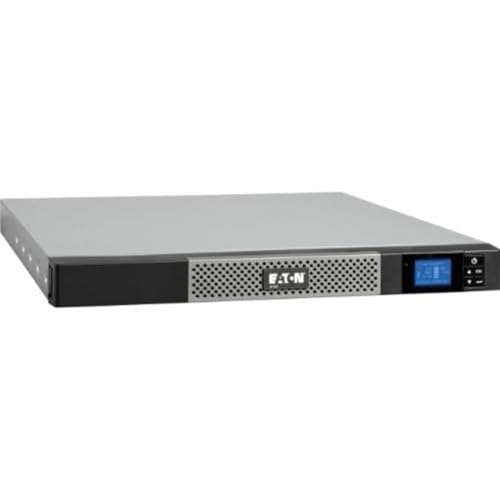
Eaton 5P 1550VA 1100 Watt 1U Rackmount/Wallmount 208V/220V/230V/240V Line-Interactive True Sine Wave Uninterruptible Power Supply Server 5P1550GR
1U rackmount or wall-mount design for space-constrained server racks and closets
As an affiliate, we earn on qualifying purchases.
Conclusion
You see how Uber’s real-time architecture handles millions of rides daily, balancing scalability, reliability, and speed. It manages data flows seamlessly, adapts swiftly to demand, and maintains peak performance. By leveraging cutting-edge technology, Uber guarantees safety, efficiency, and satisfaction for every rider and driver. This architecture isn’t just about handling rides; it’s about transforming transportation, powering innovation, and setting standards. With this system, Uber keeps moving forward, driving success, and shaping the future of mobility.

CyberPower OR2200PFCRT2U PFC Sinewave UPS Battery Backup and Surge Protector, 2000VA/1540W, 8 Outlets, AVR, 2U Rack/Tower, UL Certified
2000VA/1540W PFC Sinewave Battery Backup Uninterruptible Power Supply (UPS) System provides power protection for servers, workstations, network devices,...
As an affiliate, we earn on qualifying purchases.

CyberPower OR500LCDRM1U Smart App LCD UPS Battery Backup and Surge Protector, 500VA/300W, 6 Outlets, AVR, 1U Rackmount, UL Certified
500VA/300W Smart App LCD Uninterruptible Power Supply (UPS) System uses simulated sine wave output to protect department and...
As an affiliate, we earn on qualifying purchases.