

The end of unlimited free APIs means you’ll need to adapt to new pricing models, usage limits, and stricter restrictions. You’ll have to monitor your usage actively and optimize data handling to prevent costs and disruptions. Planning your app’s architecture becomes essential to stay within limits and avoid surprises. Staying informed about changing policies helps you make smarter choices. If you want to know exactly how to navigate these shifts, there’s more to take into account.
Key Takeaways
- Free API access is ending; expect tiered, usage-based pricing models to replace unlimited free plans.
- Usage restrictions like rate limits and quotas will be more strictly enforced to prevent abuse.
- Developers must monitor and optimize API usage to manage costs and avoid service disruptions.
- Application design should adapt to new limitations, emphasizing efficiency, caching, and flexible architectures.
- Staying informed on pricing changes and provider policies is essential for sustainable growth and budget control.

As APIs evolve, developers need to stay prepared for changes that can impact their applications and workflows. One of the most significant shifts happening now is the end of unlimited free APIs. Historically, many providers offered open access with no restrictions, which made it easy for developers to experiment, scale, and innovate without worrying about costs. However, this era is ending, and you’ll now see more structured pricing models that reflect the true value of API services. These models can range from tiered subscriptions, pay-as-you-go plans, to usage-based pricing, and understanding them is vital to managing your application’s budget effectively.
APIs are shifting from unlimited free access to structured pricing models, requiring careful management of usage and costs.
You should expect that API providers will increasingly enforce usage limitations to prevent abuse and to guarantee fair access for all users. These limitations can take various forms, such as rate limits, daily quotas, or concurrent request caps. They’re designed to control traffic and maintain service quality but can also impact how you design and scale your applications. If your app relies heavily on a particular API, you’ll need to monitor your usage closely and adapt your workflows accordingly. Ignoring these restrictions can lead to service interruptions or unexpected costs, especially if you exceed your allocated limits. Monitoring your API usage** can help you avoid unexpected disruptions and optimize your costs. Additionally, understanding the reasons for heat pump failure** can inform how you maintain and troubleshoot these systems, ensuring longevity and efficiency.
Pricing models are becoming more transparent, but they also come with new considerations. For example, some APIs offer free tiers with limited features or usage caps, enticing you to upgrade as your needs grow. Others might charge for higher levels of access or advanced features, making it essential for you to evaluate your usage patterns and forecast future needs accurately. You’ll want to plan your integrations with these costs in mind, avoiding surprises that could strain your project’s budget. Additionally, be aware that some providers might introduce dynamic pricing, adjusting costs based on demand, data volume, or other factors. This shift underscores the importance of understanding API pricing structures to optimize your spending.
Managing these changes requires a proactive approach. Regularly review your API usage and stay informed about policy updates from your providers. Implementing efficient data handling, caching, or batching requests can help optimize your usage and stay within limits. Also, consider building flexibility into your architecture so you can switch providers or adjust plans if needed. Moreover, understanding the concept of color accuracy in the context of image quality can help you better evaluate visual outputs from different services. Ultimately, understanding the new landscape of API pricing and usage limitations empowers you to make smarter decisions, guaranteeing your applications remain reliable and cost-effective amid these evolving changes.

Meross Smart Energy Consumption Monitor with 18 Circuit Monitoring, Electricity Usage Monitor, Real-Time Power Usage Monitor, Home Assistant Support, Smart Alerts, No Subscriptions, 2-Year Warranty
SAFE & RELIABLE: Meross smart energy consumption monitor is ETL‑certified and compliant with the UL 61010 testing standard,…
As an affiliate, we earn on qualifying purchases.
As an affiliate, we earn on qualifying purchases.
Frequently Asked Questions
Will Existing Free API Users Receive Any Compensation or Discounts?
You likely won’t receive direct compensation or discounts automatically. Instead, companies may implement compensation strategies or discount policies to retain users, such as offering discounted plans or extended free trials. It’s essential to stay informed about updates from your API provider, as they might introduce new incentives or tailored solutions. Keep an eye on announcements and consider negotiating or exploring alternative options if you depend heavily on these APIs for your projects.
How Will API Rate Limits Be Communicated to Developers?
API rate limits will be communicated through clear updates in the API documentation and proactive developer notifications. You should regularly check the documentation for any changes to rate limits, and you’ll receive alerts when nearing your quota via email or dashboard notifications. This way, you stay informed about your usage, avoid disruptions, and can adapt your requests accordingly. Staying engaged with official communications ensures smooth API integration and optimized performance.
Are There Alternative Free API Options Available?
Did you know that nearly 60% of developers rely on free API options? Yes, there are alternative options available. You can explore free alternatives like public APIs from government, open-source projects, or platforms like RapidAPI that aggregate free and paid APIs. While these free alternatives might have limitations, they’re often enough for small projects or testing. Always review usage policies to avoid unexpected costs or access restrictions.
What Are the Potential Costs for Transitioning to Paid APIS?
Moving to paid APIs can lead to significant cost implications, especially if your usage increases. You’ll need to budget for subscription fees or per-call charges, which vary depending on the provider. Additionally, paid APIs often offer better service reliability and support, reducing downtime. However, you should carefully evaluate these costs against the benefits to guarantee your project remains financially sustainable while maintaining quality and reliability.
How Will API Deprecations Affect Current Integrations?
API deprecations can greatly impact your current integrations by causing disruptions or data loss if you don’t adapt quickly. During an API shift, you might need to update your code to match new endpoints or authentication methods. This impacts developers by requiring extra effort, testing, and potential delays. Staying informed about deprecation timelines and planning timely updates helps minimize the developer impact, ensuring smoother transitions and continued service reliability.

Mastering API Gateways with Kong: Practical Strategies for Securing, Scaling, and Optimizing Modern API Infrastructures
As an affiliate, we earn on qualifying purchases.
As an affiliate, we earn on qualifying purchases.
Conclusion
As you navigate these API changes, remember that adaptability is key. Think of it like upgrading your phone—initially frustrating, but ultimately empowering once you learn new features. Just last year, a developer I know faced similar shifts and turned them into opportunities for innovation. Embrace the evolving landscape, stay informed, and you’ll continue to thrive. Change may be inevitable, but your ability to adjust ensures you stay ahead in this ever-changing digital world.
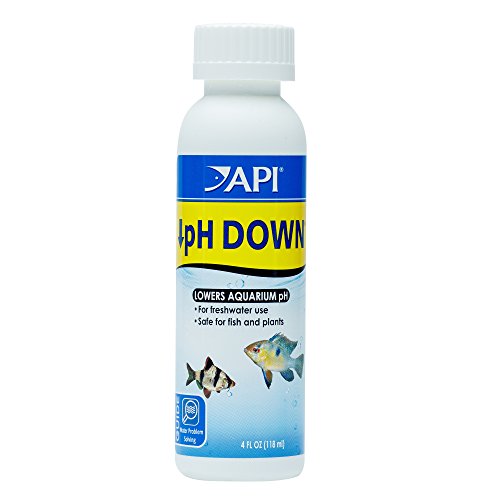
API pH DOWN Freshwater Aquarium Water pH Reducing Solution 4-Ounce Bottle
Contains one (1) API pH DOWN Freshwater Aquarium Water pH Reducing Solution 4-Ounce Bottle
As an affiliate, we earn on qualifying purchases.
As an affiliate, we earn on qualifying purchases.

MCP Security in Practice: What OWASP Wont Tell You About Deploying AI Tool Integrations
As an affiliate, we earn on qualifying purchases.
As an affiliate, we earn on qualifying purchases.