

Data residency rules influence your cloud architecture by requiring you to store and process data within specific geographic boundaries, affecting decisions on data center locations, encryption, and access controls. These rules demand careful planning to guarantee compliance, often leading you to choose regional or multi-cloud strategies. Balancing legal requirements with system performance can be challenging, but understanding these impacts better equips you to design effective, compliant cloud solutions—and discovering more can help you navigate these complexities.
Key Takeaways
- Data residency rules require storing and processing data within specific geographic boundaries, shaping cloud infrastructure choices.
- Cloud providers must have data centers in regions matching legal jurisdiction requirements, influencing provider selection.
- Multi-cloud and hybrid strategies are adopted to distribute data across jurisdictions, complicating policy management.
- Compliance with local data laws necessitates strict controls, encryption, and localized data handling practices.
- Data residency constraints impact latency and performance, requiring architectural adjustments to balance compliance and efficiency.

Data residency rules are shaping how organizations design their cloud architectures, requiring them to store and process data within specific geographic boundaries. These regulations directly impact how you manage data across different regions, emphasizing the importance of data sovereignty—your ability to control where your data resides and how it’s handled. When compliance requirements mandate that certain information remains within national borders, you must adapt your cloud strategy to meet these legal constraints. Failure to do so could lead to hefty fines, legal penalties, or damage to your reputation.
Data residency rules require adapting cloud strategies to ensure data remains within legal geographic boundaries.
To guarantee compliance, you need to choose cloud providers with data centers located within the required jurisdictions. This might mean selecting regional or local data centers, even if that limits your options or increases costs. You’ll also need to implement strict data access controls and encryption protocols to protect data in transit and at rest. These measures help you meet compliance standards, which often specify not only where data must be stored but also how it should be secured and managed. Your cloud architecture becomes a reflection of these compliance requirements, influencing decisions about data segmentation, encryption, and access governance. Additionally, data residency considerations can impact latency and overall system performance, making it essential to balance compliance with operational efficiency.
Additionally, data sovereignty concerns influence your approach to multi-cloud and hybrid cloud strategies. By dispersing data across various jurisdictions, you ensure adherence to local laws but also introduce complexity. You’ll have to coordinate policies and controls across different cloud environments, which can challenge your compliance management efforts. You may need to implement centralized oversight tools to monitor data residency compliance, ensuring that every piece of data remains within its designated boundaries. Recognizing data sovereignty as a critical factor helps organizations navigate these legal and technical challenges effectively. Moreover, understanding the legal implications of data storage in specific regions is crucial for maintaining compliance and avoiding legal conflicts.
Understanding data sovereignty also means recognizing the legal implications of storing data in certain regions. Some countries have strict data privacy laws that give citizens control over their personal data, and these laws might restrict cross-border data transfers. As a result, your cloud architecture must accommodate these restrictions, often requiring you to localize data or establish data processing agreements with cloud providers. You’ll need to stay updated on evolving regulations and be prepared to adapt your architecture accordingly.
enterprise data center in-region storage solutions
As an affiliate, we earn on qualifying purchases.
As an affiliate, we earn on qualifying purchases.
Frequently Asked Questions
How Do Data Residency Laws Vary Globally?
You’ll find data residency laws vary globally, impacting cross-border data transfer and jurisdictional compliance. Some countries, like the EU, enforce strict rules requiring data to stay within borders, while others allow more flexibility. You need to understand these legal differences to design cloud architectures that comply with local regulations. This means implementing data localization strategies and ensuring your data handling aligns with each jurisdiction’s rules to avoid penalties.
What Are Common Challenges in Complying With Data Residency Rules?
You face common challenges like steering data sovereignty, ensuring jurisdictional compliance, and managing cross-border data flows. You must understand complex legal frameworks, adapt to varying regulations, and implement strict security controls. Balancing data access with restrictions, maintaining transparency, and avoiding legal penalties require ongoing vigilance. Efforts to align cloud architecture with these rules demand continuous updates, cross-functional collaboration, and a proactive approach to stay compliant and protect sensitive information globally.
How Does Data Residency Affect Cloud Service Provider Selection?
You need to prioritize regional compliance and data localization when selecting a cloud service provider. Make certain they have data centers in specific regions to meet legal requirements and avoid data transfer issues. Look for providers that offer clear data residency policies and robust security measures. This way, you can maintain compliance, protect sensitive information, and reduce legal risks, all while optimizing your cloud architecture for local regulations.
Are There Specific Security Concerns Related to Data Residency?
Yes, data residency raises security concerns related to data sovereignty, as you need to guarantee your data stays within legal boundaries. You should implement strong encryption protocols both in transit and at rest to protect sensitive information from unauthorized access. Additionally, understanding jurisdictional laws helps you manage compliance risks. By prioritizing these security measures, you can safeguard your data while respecting residency requirements and maintaining trust with stakeholders.
How Can Organizations Automate Compliance With Residency Regulations?
Did you know over 60% of organizations struggle with compliance? You can automate compliance with residency regulations by implementing tools that continuously monitor data locations and enforce policies. Automated compliance simplifies adhering to complex residency rules, reducing manual errors and delays. By integrating these solutions into your cloud architecture, you guarantee data stays within required borders, minimizing legal risks and boosting trust with customers.
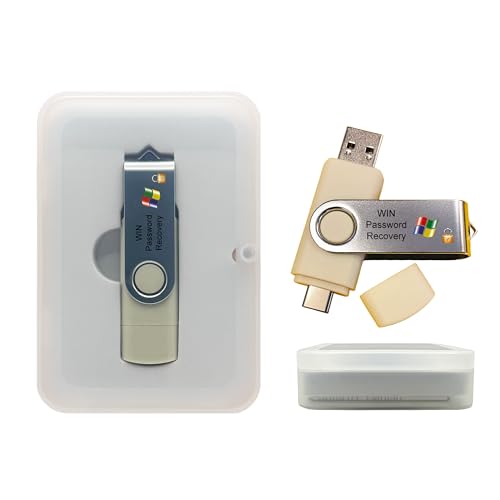
Linux & Windows Password Reset USB Flash Drive – Recover, Unlock or Restore Access to Locked Computers – Bootable Live System Recovery Tool for PC
Dual USB-A & USB-C Bootable Drive – compatible with nearly all laptops, desktops, mini-PCs, Windows tablets or servers,…
As an affiliate, we earn on qualifying purchases.
As an affiliate, we earn on qualifying purchases.
Conclusion
As you navigate the labyrinth of data residency rules, remember they’re the compass guiding your cloud architecture choices. These rules are like the steady lighthouse beams cutting through fog—illuminating safe paths amid complexity. Embrace them not as barriers, but as guardians of trust and compliance. By aligning your cloud strategy with these regulations, you’re weaving a resilient fabric of data security—strong enough to withstand storms and flexible enough to adapt to whatever the future holds.

MongoDB in Action, Third Edition: Building on the Atlas Data Platform
As an affiliate, we earn on qualifying purchases.
As an affiliate, we earn on qualifying purchases.

StarTech.com 1U 19" Cable Management Organizer – D Ring Hook Network/Server Rack Cord Manager – Data Center Horizontal Wire Panel with Passthrough Holes w/Mounting HW – EIA/ECA-310-E (CABLMANAGERH)
SAVE RACK SPACE: This 1U 19" Server/network rack mountable cable management organizer allows for organizing/routing cables within your…
As an affiliate, we earn on qualifying purchases.
As an affiliate, we earn on qualifying purchases.