
🔍 Read the full analysis: Phonon TTS Launches With High-Quality On-Device Speech on ThorstenMeyerAI.com

Get business pricing on monitors, keyboards and dev gear
- Business-only prices and quantity discounts
- Tax-exempt purchasing
- Multiple users, one account, clear invoices
TL;DR
A Hugging Face headline announces Phonon TTS as a text-to-speech system for on-device speech and claims it tops benchmarks. The supplied material contains only the headline, with no scores, methodology, product details or confirmation of availability, so the performance claim cannot be independently assessed.
Hugging Face has announced Phonon TTS in a headline describing it as a text-to-speech system for high-quality on-device speech that “tops the benchmarks,” as detailed in the original analysis. The supplied announcement material contains only that headline, not the article text or evidence behind the comparison, so neither the claimed benchmark lead nor the product’s technical details can be verified from the information available.
The headline identifies Phonon TTS as a text-to-speech development and frames its focus as generating speech on-device. Text-to-speech systems convert written text into spoken audio. In general, an on-device design means that at least some processing takes place on a user’s hardware rather than entirely on a remote service. The headline does not explain how Phonon TTS is implemented or confirm that all processing happens locally.
Hugging Face’s headline also says the system “tops the benchmarks.” No benchmark names, scores, comparison systems, evaluation conditions or dates appear in the material provided. The claim is therefore a statement made in the headline, not a documented result that readers can check here. It is also not clear which performance measure the claim refers to: speech naturalness, intelligibility, generation speed, resource use and other qualities are distinct measures.
The supplied text gives no confirmed release date, download link or licensing terms. It does not specify supported hardware, languages, voices, memory requirements or whether the announcement concerns a model, an application, or both. Those omissions limit what users and developers can conclude about access to the system and its suitability for particular devices or projects.
What Local Speech Could Offer
On-device speech generation can be useful when a user needs audio without a reliable internet connection, or prefers speech processing to take place on local hardware. Depending on how a system is built, local processing may also affect response time and the amount of data sent to a remote service. These are potential considerations for Phonon TTS, not benefits confirmed by the material supplied.
The headline’s benchmark positioning could help readers compare Phonon TTS with other speech systems if the supporting results are made available. A meaningful comparison would identify what was measured, which systems were tested, and the conditions used. Results for one language, device or quality measure would not necessarily establish a general lead across other use cases.
For developers, the missing availability and licensing information also matters: those details determine whether a system can be tested, integrated or redistributed. For everyday users, supported languages, hardware needs and offline operation would shape whether the product is practical. Without those details, the announcement signals a claimed capability but does not yet establish the real-world implications.
Products Worth Considering

Bose QuietComfort Ultra Earbuds (2nd Gen) – Wireless Noise‑Cancelling Earbuds with Mic, Immersive Audio, USB‑C Charging, Up to 6 Hours Batte
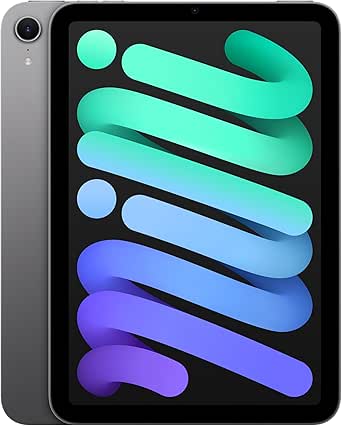
Apple iPad mini (A17 Pro), 128GB, Wi-Fi 6E, Space Gray

EcoFlow DELTA 3 Portable Power Station (1024Wh, 1800W)
As an affiliate, we earn on qualifying purchases.
What the Headline Confirms
The source material identifies a Hugging Face item with the headline “A Closer Look at Phonon TTS. Launching High-Quality On-Device Speech That Tops the Benchmarks.” That wording frames the development around Phonon TTS, local speech generation and a benchmark claim. The material supplied for this report does not include the underlying article, a publication date or author details.
On-device text-to-speech is a description of where speech generation is intended to run, but it does not by itself establish how much computation occurs on the device. Some systems may rely on remote services for parts of their operation; the headline does not say whether Phonon TTS does so. The available information likewise does not identify the model architecture or the devices it may support.
Accordingly, the confirmed development is narrow: Hugging Face’s headline presents Phonon TTS as an on-device speech launch and claims benchmark leadership. The product’s exact form, technical design, performance evidence and release status remain outside the available source text.
““A Closer Look at Phonon TTS. Launching High-Quality On-Device Speech That Tops the Benchmarks.””
— Hugging Face headline
Benchmark Evidence Is Missing
The main unresolved issue is what evidence supports the claim that Phonon TTS tops benchmarks. The available material includes no scores, test methods, competing systems or evaluation dates. It is not possible to determine which measure was tested, whether the comparisons were conducted on-device, or how broadly the results apply.
Product details are also unconfirmed. There is no information here about release access, price, licensing, supported languages or voices, required hardware, or memory and processing demands. The headline’s on-device wording does not establish that the system can operate fully offline or that every step of speech generation happens locally.
These gaps may reflect the limited source material rather than omissions in the full announcement. The supplied item does not include the article body, so it is not possible to tell whether Hugging Face published the missing details elsewhere. Until they are available, the benchmark statement should be treated as an attributed headline claim rather than an independently verified result.
Details Needed to Verify the Claim
The next useful development would be access to the full Hugging Face announcement or product documentation. To assess the performance claim, that material would need to identify the benchmarks, comparison systems, scores and evaluation conditions, including relevant hardware and languages. Those details would allow readers to judge whether the results support a broad claim or apply to a narrower test.
Release information could clarify whether Phonon TTS can be downloaded or used now, what license applies, and which devices and languages are supported. Technical documentation could also explain whether operation is fully local, what resources are required, and whether an internet connection is needed for any part of the process.
Until such information is available in the source material, the reportable development remains the headline announcement and its benchmark positioning. Availability and performance are not established here; further conclusions depend on documentation and results that readers can examine.
Key Questions
What is Phonon TTS?
It is presented in a Hugging Face headline as a text-to-speech system focused on on-device speech. The supplied material does not give further product or technical details.
Has Phonon TTS been shown to top benchmarks?
The headline says it “tops the benchmarks,” but the available material contains no scores, benchmark names or evaluation methods. The claim cannot be independently verified from the information provided.
Can users download or use Phonon TTS now?
The supplied headline does not include a release date, access link or licensing terms. Availability is unclear from the material available.
Does Phonon TTS work fully offline?
The headline describes on-device speech, but does not specify whether all processing happens locally or whether an internet connection is required. Fully offline operation is unconfirmed.
Primary source: Hugging Face · via ThorstenMeyerAI.com