
🔍 Read the full analysis: Playground: Make A Game, Then Jump Right In on ThorstenMeyerAI.com

Get monitors, keyboards and dev gear delivered free — and shop member deals
- Fast, free delivery on millions of items
- Access to Prime Big Deal Days deals on October 6–7
- Prime Video, Amazon Music and more included
TL;DR
Google launched Playground on Oct. 7, an experimental browser-based service for creating, playing and sharing games through text prompts. It is available to U.S. users aged 18 and older, but creation access varies by Google AI subscription tier. Google has not detailed those tier limits or announced when the planned Unity Spark beta will begin.
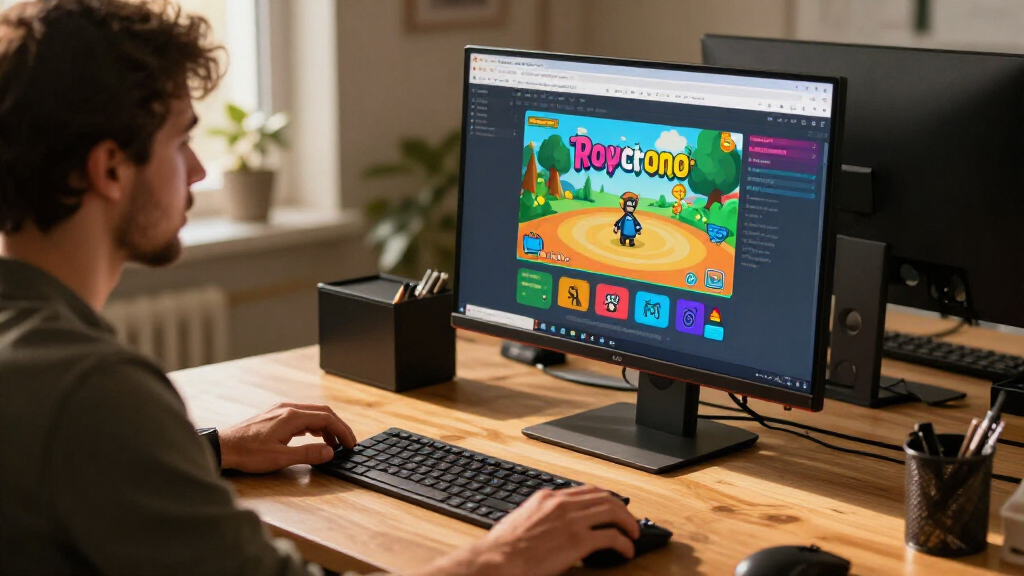
Google launched Playground on Oct. 7, an experimental browser-based service that lets eligible U.S. adults create, play and share custom games using text prompts. The release brings game creation into the same platform as playing and sharing, though creation access is tied to Google AI subscription tiers and the company has not yet specified what each tier includes.
Users can start from a blank canvas, remix starter prompts or use guided support to develop an idea. They can then ask Playground to change elements such as a game’s rules, physics, characters or setting and test the result in the browser. Google says the service does not require coding experience and that creators retain control of the game’s creative direction.
Playground also includes a catalog of community-made games that users can play on a phone or laptop. Creators can keep a game private, share it through a link or submit it to the Explore gallery. Games in select genres support multiplayer play and leaderboards. Users with a Play Games profile can choose a handle, like games and follow creators.
Google says games submitted for publication go through safety screenings aligned with its Community Guidelines, and users can report content. The company also announced a planned integration with Unity Spark, which it says will add professional-level mechanics and high-fidelity 3D capabilities. Unity Spark is being tested, with a closed beta expected soon; Google has not given a date.
From Prompt to Playable Draft
Playground’s central proposition is that people can try making a game without first learning a game engine or writing code. If the tools work as described, that could make it easier for newcomers to turn an idea into a playable draft, while giving experienced creators a place to sketch concepts. Those are potential uses, not established results: Google has not shared adoption numbers or evidence about the quality or range of games people can produce.
The subscription-based access model will also shape who can create, even though Google says eligible users can play games in the catalog. Without details on which plans qualify and what limits apply, it is difficult to judge how open the creation tools will be. The planned Unity Spark connection could extend the service toward more involved 3D projects, but its practical value depends on the features it delivers and the people who can use them.
game development software for beginners
As an affiliate, we earn on qualifying purchases.
As an affiliate, we earn on qualifying purchases.
How Playground Is Designed
Google presents Playground as a way to reduce the technical barrier to game development. Instead of building a game directly in a conventional engine, users describe what they want, revise the result through further prompts and test it within the service. The announcement does not identify the underlying models or technical systems used to generate games.
The service is available at playground.google, where Google invites users to try demo games and share feedback. Community features include creator profiles and a gallery. Google says ratings and play activity help surface games that are fresh, creative and fun, but has not explained how those signals are weighted or how gallery rankings are determined.
Google’s announcement describes Playground as an experiment rather than providing evidence that prompt-based game development has already become broadly accessible. The initial release is limited to U.S. users aged 18 and older, and creation tools are governed by subscription tiers. Those limits define the current release more clearly than any forecast about future reach.
““If you can think it, you can play it.””
As an affiliate, we earn on qualifying purchases.
Access and Game Quality
Google has not specified which subscription tiers receive which creation features, how much access each tier provides or whether users will face usage limits. It also has not announced when Playground may expand beyond the United States or become available to people under 18.
The company has not described how well game generation performs across genres, what kinds of changes users can reliably make, or how publishing reviews work in practice. Its announcement does not say what options creators have if a submission is rejected. Details about how Explore gallery rankings use likes, ratings and play activity are also not public.
For Unity Spark, Google says a closed beta is expected soon but has not announced a launch date or participation criteria. It remains unclear what the integration will let Playground users build, how it will connect with Unity’s tools and runtime, or whether access will be limited to particular users.
browser-based game design platform
As an affiliate, we earn on qualifying purchases.
As an affiliate, we earn on qualifying purchases.
Feedback and Unity Beta
Google is inviting eligible users to try Playground, play its demos and share feedback as the experiment develops. The next stated milestone is the closed beta for Unity Spark; a date and enrollment details have not been released.
Further details about subscription access, usage limits, moderation and the Unity integration will help show how far the service extends beyond quick experiments. Until Google provides those details and evidence from users’ games, Playground’s launch confirms the availability of an early product, not that game creation has become simple or equally accessible for everyone.
As an affiliate, we earn on qualifying purchases.
Key Questions
What is Google Playground?
Playground is an experimental browser-based platform for creating, playing and sharing custom games with text prompts. Users can revise game elements and test their changes in the service.
Who can use Playground at launch?
Google says it is available to U.S. users aged 18 and older. Creation access is rolling out according to Google AI subscription tiers; the company has not published the feature or usage limits for each tier.
Do users need coding experience to create games?
Google says no coding experience is required. Users describe a game in text, then can ask Playground to adjust its rules, physics, characters or setting. The announcement does not establish how capable the generated games will be.
Can people share games made in Playground?
Yes. Creators can keep games private, share a link or submit them to the Explore gallery. Google says published submissions receive safety screenings aligned with its Community Guidelines.
When will Unity Spark be available in Playground?
Google says the integration is in testing and that a closed beta is expected soon. It has not announced a date, participation criteria or the specific features the integration will support.
Primary source: Google AI · via ThorstenMeyerAI.com
Fall Picks
fall essentials
As an affiliate, we earn on qualifying purchases.