
TL;DR

Get business pricing on monitors, keyboards and dev gear
- Business-only prices and quantity discounts
- Tax-exempt purchasing
- Multiple users, one account, clear invoices
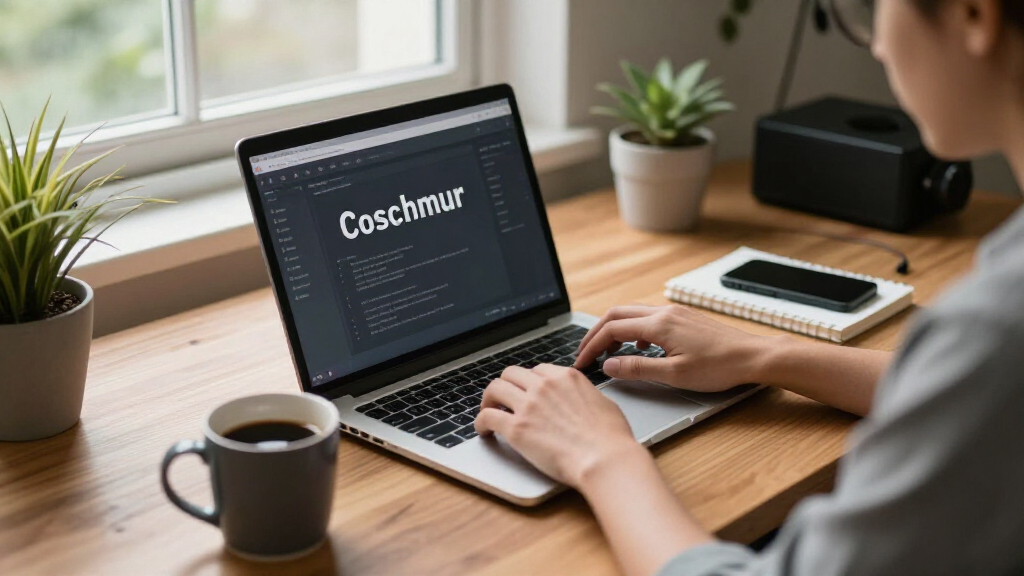
A developer has released a tool on Show HN that allows users to generate intentionally distorted fonts, dubbed ‘cursed fonts,’ by exploiting OpenType ligature features. The tool runs client-side via WebAssembly, enabling quick font transformations. This trend is gaining attention, though the developer has not confirmed broader adoption or future plans.
A developer has introduced a new tool on Show HN that allows users to generate intentionally distorted, ‘cursed’ fonts such as Times New Bastard by exploiting the ligature feature of OpenType fonts. The tool operates entirely in the browser, utilizing WebAssembly to load Python code for fast client-side processing. This development has attracted attention from the tech community, especially among font enthusiasts and meme creators.
The tool, shared on the popular developer platform Show HN, leverages the ligature feature in OpenType fonts to produce bizarre, distorted text styles. Ligatures are typically used to improve typography aesthetics, but this tool manipulates them to create intentionally ‘cursed’ font appearances, including the infamous Times New Bastard style. The implementation runs entirely on the client side, thanks to WebAssembly, which loads Python code directly in the browser for rapid processing.
This approach allows users to generate these fonts quickly without server interaction, making it accessible for experimentation, meme creation, or artistic projects. The developer behind the tool has not disclosed any plans for commercialization or further development, emphasizing its nature as a joke or novelty project. The tool’s source code is publicly available, encouraging community experimentation and potential modifications.
Interest in this trend appears to be rising, with mentions on developer forums and social media, though it remains a niche within the broader font and design communities. The developer has not provided detailed usage statistics or broader adoption metrics, and it is unclear whether similar tools will emerge or if this project will gain mainstream traction.
Unique Client-Side Font Manipulation Sparks Curiosity
This development highlights how existing font technologies like OpenType can be repurposed for creative or humorous effects, expanding the boundaries of digital typography. The use of WebAssembly to run Python code directly in browsers demonstrates a growing trend toward highly accessible, client-side tools for creative coding, reducing reliance on server resources. For the broader tech community, this project underscores the potential for playful experimentation with font features, which could inspire future tools or even influence design practices.
While primarily a novelty, the ease of creating distorted fonts could have implications for both artistic expression and digital security, as font manipulation techniques become more accessible. However, the current project appears to be a proof of concept or joke, with no immediate commercial or practical applications announced. Its popularity suggests a cultural moment where meme-like tools intersect with technical innovation.
As an affiliate, we earn on qualifying purchases.
OpenType Ligatures and WebAssembly Enable New Creative Uses
OpenType fonts have long supported ligatures, which are combinations of characters designed to improve typography aesthetics. Developers have explored these features for unconventional purposes, including creating ‘cursed’ or distorted text styles. The recent interest in font manipulation tools is partly driven by the trend of browser-based, client-side applications leveraging WebAssembly to run languages like Python or C++ efficiently in the browser environment.
Historically, font manipulation has been confined to professional typography or desktop applications, but recent advances in web technology have democratized access, allowing anyone with a browser to experiment. The focus on humor and meme culture, exemplified by projects like Times New Bastard, reflects a broader pattern of playful experimentation with digital tools. Search interest in ‘cursed fonts’ and related terms has increased recently, though this remains a niche trend without widespread commercial impact.
It is important to note that the original trigger for this trend remains unconfirmed, with many posts and mentions being anecdotal or speculative. The developer’s project is one of several recent experiments in this space, with no official endorsement or broader industry adoption confirmed yet.
As an affiliate, we earn on qualifying purchases.
Broader Adoption and Future Plans Still Unclear
It is not yet confirmed whether this tool will see wider adoption or influence other projects. The developer has not announced plans for commercialization, additional features, or integration into larger platforms. The current popularity appears to be limited to niche communities and experimental tech circles. Additionally, the long-term impact of such font manipulations on digital communication or security remains uncertain, with no formal studies or industry standards addressing these uses.
Questions about potential misuse, copyright issues, or the creation of malicious fonts have not been addressed by the developer or the community. As such, the future of this trend depends heavily on community interest and whether similar tools will emerge or be integrated into mainstream design workflows.
As an affiliate, we earn on qualifying purchases.
Potential for Community-Driven Extensions and Experiments
Moving forward, the most likely developments include community experimentation, with developers creating variations or related tools based on the original concept. The open-source nature of the project encourages modifications, possibly leading to more sophisticated or themed cursed fonts. It is also possible that other web-based font manipulation tools will emerge, leveraging WebAssembly and client-side scripting to offer similar or enhanced features.
In the near term, the developer or community may publish updates, tutorials, or showcase examples of creative uses. There is no official roadmap or timeline, but the trend’s visibility suggests ongoing interest among meme creators, font enthusiasts, and experimental developers. Monitoring social media and developer forums will be key to understanding how this project evolves.
As an affiliate, we earn on qualifying purchases.
Key Questions
What exactly does the tool do?
The tool manipulates font ligatures in OpenType fonts to produce distorted, ‘cursed’ text styles, allowing users to generate humorous or unsettling fonts like Times New Bastard directly in their browser.
Is this tool intended for professional use?
No, the tool is primarily a novelty or joke project designed for experimentation and entertainment, not for professional typography or branding purposes.
Can I customize the fonts further?
Yes, since the source code is publicly available, technically inclined users can modify or extend the tool to create different cursed font styles or integrate it into other projects.
Are there any legal or ethical concerns?
As of now, there are no specific legal issues identified, but users should be mindful of copyright or trademark considerations if they use manipulated fonts commercially or publicly.
Will this trend continue to grow?
It is uncertain. The current interest appears to be niche and meme-driven, but community experimentation could lead to broader adoption or similar projects in the future.
Source: hn
Fall Picks
fall essentials
As an affiliate, we earn on qualifying purchases.




![Rails World 2026 Opening Keynote [Video]](https://coderfacts.com/wp-content/uploads/2026/09/rails-world-2026-opening-keynote-video-featured-260x140.jpg)