
TL;DR

Get business pricing on monitors, keyboards and dev gear
- Business-only prices and quantity discounts
- Tax-exempt purchasing
- Multiple users, one account, clear invoices
Oracle has enforced new limits on its Always Free ARM compute instances, reducing the maximum to 2 OCPU and 12GB RAM starting August 18. This change affects users relying on free cloud resources.
Oracle has officially enforced a reduction in the limits for its Always Free ARM compute instances, now capping usage at 2 OCPU and 12GB RAM starting August 18. The move impacts developers and users relying on Oracle’s free cloud resources, marking a significant change in the company’s free tier offerings.
Oracle announced the new limits on its Always Free ARM compute resources on August 17, with enforcement beginning the following day. Previously, users could access higher limits, but Oracle has now restricted free tier access to a maximum of 2 OCPU and 12GB RAM. This change was communicated via Oracle’s cloud service update channels and is now active for all new and existing free tier accounts.
The company did not specify whether this limit reduction is temporary or permanent, but the enforcement indicates a clear shift in Oracle’s free tier policy. The move aligns with industry trends toward more restrictive free offerings and could influence the behavior of developers, startups, and hobbyists who depend on Oracle’s free cloud resources for testing, development, or small-scale deployment.
Oracle’s spokesperson confirmed the change, stating, “The new limits are part of our ongoing efforts to optimize resource allocation and ensure sustainable service for all users.” No additional details were provided about potential future adjustments or exceptions.
Impact on Free Tier Developers and Cloud Users
This change is significant because it limits the scope of free cloud computing options for developers, startups, and hobbyists who rely on Oracle’s ARM-based infrastructure. Reduced resource caps may restrict the complexity or scale of projects that can run on the free tier, potentially pushing some users toward paid plans or alternative providers. It also signals Oracle’s shift toward more controlled free offerings, which could influence the competitive landscape of cloud providers offering free tiers.
As an affiliate, we earn on qualifying purchases.
Oracle’s Free Tier Policy and Industry Trends
Oracle has historically offered a generous free tier, including ARM compute instances, to attract developers and promote its cloud platform. Prior to this change, users could access higher limits, enabling more extensive testing and development. The move to restrict these limits aligns with broader industry trends where cloud providers increasingly impose tighter restrictions on free resources to manage costs and prevent abuse. Similar actions have been observed from other providers, reflecting a cautious approach to free cloud offerings amid rising infrastructure costs and demand for sustainable services.
This development follows Oracle’s recent efforts to expand its ARM-based cloud infrastructure, aiming to compete with other cloud giants. However, the new limit enforcement may temper growth in the free tier segment and influence how developers plan their cloud usage strategies.
“The new limits are part of our ongoing efforts to optimize resource allocation and ensure sustainable service for all users.”
— Oracle spokesperson
As an affiliate, we earn on qualifying purchases.
Details on Future Limit Adjustments and Duration
It is not yet clear whether Oracle’s new limits are temporary or permanent. The company has not provided specific details on whether further adjustments are planned or if there are exceptions for certain user groups. Additionally, the long-term impact on existing free tier users and potential migration to paid plans remains uncertain.
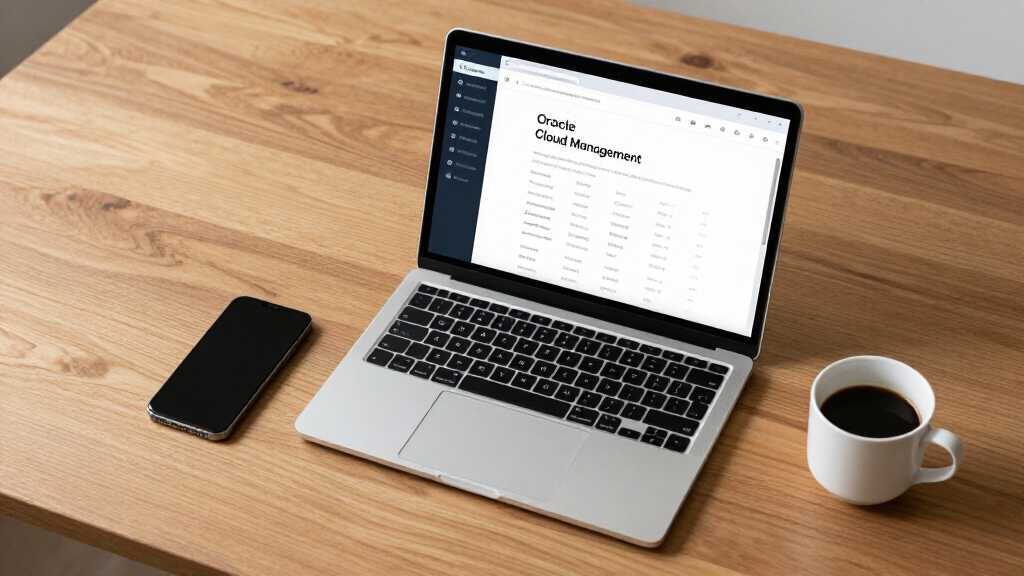
cloud resource management software
As an affiliate, we earn on qualifying purchases.
As an affiliate, we earn on qualifying purchases.
Monitoring and Potential Policy Changes
Oracle is expected to monitor user response and resource utilization following the enforcement of the new limits. Future updates may include additional restrictions or expansions based on demand and resource availability. Developers and users relying on Oracle’s free tier should stay informed about official communications for potential changes or opportunities to upgrade.
As an affiliate, we earn on qualifying purchases.
Key Questions
Why did Oracle reduce the free ARM compute limits?
Oracle did not specify detailed reasons but indicated the change is part of efforts to optimize resource allocation and ensure sustainability of its free tier services.
Are the new limits temporary or permanent?
It is currently unclear whether these limits are temporary or will be maintained long-term. Oracle has not announced any plans for future adjustments.
Will existing free tier users be affected immediately?
Yes, the enforcement applies to all users from August 18, including existing free tier accounts, limiting their resource usage to the new caps.
Could this change push users to paid plans?
Potentially, users requiring higher resource limits may consider upgrading to paid plans, as the free tier now offers more limited capacity.
How does this compare to other cloud providers’ free tiers?
Many cloud providers have been tightening free tier limits recently; Oracle’s move aligns with industry trends toward more restrictive free offerings to manage costs and resource demand.
Source: hn
Fall Picks
fall essentials
As an affiliate, we earn on qualifying purchases.