

To go beyond basic Agile practices, focus on strengthening team collaboration through open communication and shared ownership of goals. Enhance sprint planning by prioritizing tasks based on value, considering dependencies, and including contingency plans. Cultivate a transparent culture that encourages continuous learning, trust, and collective responsibility. These strategies lead to faster delivery, better quality, and greater adaptability. Keep exploring approaches to deepen your Agile expertise and gain access to even greater team success.
Key Takeaways
- Incorporate strategic prioritization and contingency planning to handle complex dependencies and unforeseen challenges effectively.
- Foster a collaborative team culture that emphasizes transparency, shared goals, and continuous learning beyond standard practices.
- Regularly review and refine planning processes to adapt to changing project needs and improve sprint outcomes.
- Leverage open communication channels and trust-building activities to enhance team alignment and stakeholder engagement.
- Use data-driven metrics and retrospectives to identify areas for process improvement and sustain high-performance levels.

Agile development has become the go-to approach for teams seeking flexibility and rapid delivery, but simply adopting its principles isn’t enough to guarantee success. To truly thrive, you need to focus on strengthening team collaboration and optimizing your sprint planning process. When your team works seamlessly together, communication flows effortlessly, and everyone stays aligned on goals and priorities. This level of collaboration fosters a sense of shared ownership, which in turn accelerates problem-solving and innovation. You should encourage open dialogue during daily stand-ups, retrospectives, and planning sessions, making sure every voice is heard. When team members understand each other’s strengths and challenges, they can better coordinate their efforts and adapt quickly to changes.
Strong team collaboration and clear sprint planning drive agile success and continuous improvement.
Sprint planning isn’t just a task to check off your list; it’s a critical opportunity to set your team up for success. During these sessions, you need to go beyond simply assigning tasks. Focus on creating a clear, shared understanding of the sprint goals, and ensure that everyone agrees on what’s achievable within the timeframe. Break down user stories into manageable pieces, and prioritize them based on value and dependencies. This clarity helps prevent scope creep and keeps the team aligned on delivering tangible outcomes. Good sprint planning involves realistic commitments—not overpromising and underdelivering—and encourages your team to voice concerns or uncertainties early on. When everyone’s input is valued, it boosts morale and accountability, reducing misunderstandings later in the sprint.
You should also leverage your sprint planning meetings as a chance to identify potential bottlenecks and risks. By discussing these proactively, your team can develop contingency plans or adjust priorities before issues escalate. Incorporating AI Security insights into your planning can help predict potential cyber threats that might impact project timelines or data security. Incorporate time buffers for unforeseen challenges, and be flexible enough to re-prioritize if needed. Regularly reviewing and refining your planning process helps you learn from each sprint, making your workflows more efficient over time.
Ultimately, successful agile teams don’t just follow a process—they cultivate a culture of collaboration, transparency, and continuous improvement. Your team’s ability to communicate openly, commit to shared goals, and adapt your planning strategies directly impacts your delivery speed and quality. When team collaboration is prioritized and sprint planning is approached with intention and clarity, you create a solid foundation for sustained agility. This foundation enables your team to respond swiftly to change, innovate confidently, and consistently deliver value to your stakeholders.
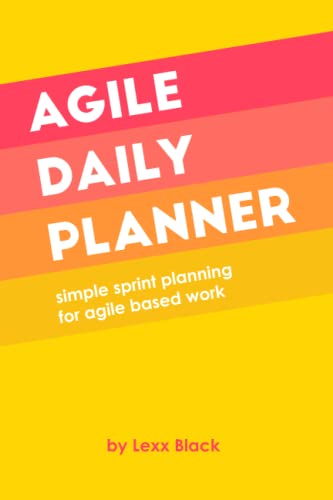
Agile Daily Planner: A handy tool for digital work and Agile sprint planning, daily stand-ups and retros. Covers 6 two-week sprints.
As an affiliate, we earn on qualifying purchases.
As an affiliate, we earn on qualifying purchases.
Frequently Asked Questions
How Can Remote Teams Effectively Implement Agile Practices?
You can effectively implement agile practices in remote teams by fostering strong virtual collaboration and utilizing asynchronous communication tools. Encourage regular stand-ups via video calls, and use project management software to track progress transparently. Emphasize clear, concise updates, and set flexible deadlines to accommodate different time zones. This approach helps maintain agility, keeps everyone aligned, and guarantees continuous delivery, even when team members work remotely.
What Metrics Best Measure Agile Success Beyond Velocity?
You can measure agile success beyond velocity by focusing on team collaboration and stakeholder engagement. Track metrics like sprint goal achievement, team satisfaction scores, and stakeholder feedback to gauge how well your team works together and meets expectations. Additionally, monitor how effectively your team adapts to changes and delivers value, ensuring continuous improvement. These metrics give you a deeper understanding of your agile maturity and overall project health.
How to Handle Resistance to Agile Transformation in Organizations?
You handle resistance to agile transformation by focusing on change management and stakeholder engagement. Clearly communicate the benefits and involve key stakeholders early to build trust. Address concerns openly, provide training, and demonstrate quick wins to show value. You encourage feedback and adapt your approach as needed, making team members feel supported and invested in the change. This proactive engagement helps reduce resistance and fosters a smoother agile evolution.
What Are Common Pitfalls in Scaling Agile Across Multiple Teams?
Did you know that 70% of agile transformations struggle with scaling frameworks? When you scale agile across multiple teams, poor cross-team coordination is a common pitfall. Without clear communication channels and aligned goals, teams can become siloed, causing delays and misalignment. To avoid this, focus on establishing strong cross-team collaboration practices and choose the right scaling frameworks that fit your organization’s needs.
How Does Agile Integrate With Devops and Continuous Delivery?
You integrate Agile with DevOps and continuous delivery by automating testing and streamlining deployment pipelines. This allows you to quickly validate changes, reduce manual errors, and release updates more frequently. You focus on continuous feedback, collaboration, and automation, ensuring that your development and operations teams work seamlessly. With automated testing and robust deployment pipelines, you can deliver value faster while maintaining high quality and responsiveness to customer needs.

Coaching Agile Teams: A Companion for ScrumMasters, Agile Coaches, and Project Managers in Transition (Addison-Wesley Signature Series (Cohn))
As an affiliate, we earn on qualifying purchases.
As an affiliate, we earn on qualifying purchases.
Conclusion
By embracing these advanced agile practices, you’ll find your team more adaptable and efficient, often when you least expect it. As you navigate sprints and retrospectives, you might just discover that small tweaks lead to big improvements—sometimes right when you need them most. Staying open to continuous learning and refinement guarantees you’re always ready for the next challenge, turning everyday coincidences into opportunities for growth and success.

Effective Project Management: Traditional, Agile, Extreme, Hybrid
As an affiliate, we earn on qualifying purchases.
As an affiliate, we earn on qualifying purchases.

Agile Retrospectives: Making Good Teams Great
As an affiliate, we earn on qualifying purchases.
As an affiliate, we earn on qualifying purchases.