
To prevent rollout tools from becoming technical debt, you should prioritize regular hygiene practices for your feature flags. Automate cleanup to identify and remove stale or unused flags, and implement clear policies for their lifecycle. Communicate openly with stakeholders about flag status and document processes consistently. Integrate flag management into your workflows and review regularly to guarantee clutter doesn’t accumulate. Keep these strategies in mind, and you’ll find yourself maintaining a cleaner, safer codebase—more insights await if you continue exploring.
Key Takeaways
- Automate regular scans to identify and remove unused or stale feature flags promptly.
- Establish clear policies and workflows for timely flag removal post-release or feedback.
- Maintain transparent documentation and stakeholder communication on flag status and lifecycle.
- Integrate flag management into development processes to ensure consistent hygiene practices.
- Continuously review and refine flag policies to adapt to evolving project needs and prevent technical debt.
Have you ever released a feature only to find lingering flags causing confusion or bugs? It’s a common challenge in software development, especially when feature flags are left active long after their initial purpose. Left unmanaged, these flags can pile up, becoming technical debt that hampers future development and complicates deployments. The key to avoiding this problem is maintaining good feature flag hygiene, which involves consistent practices like automated cleanup and effective stakeholder communication.
Lingering feature flags can cause confusion and bugs if not properly managed.
Automated cleanup is crucial. Relying solely on manual removal of flags can be slow and error-prone. Instead, set up systems that automatically identify and flag unused or stale features. Regular automated scans can alert you when a feature flag has been inactive for a certain period, prompting you to review whether it’s safe to remove. This proactive approach prevents the buildup of unnecessary flags, reduces clutter in your codebase, and minimizes the risk of bugs caused by forgotten flags. Automation also ensures consistency, freeing up your team to focus on building new features rather than managing old ones. Additionally, integrating cookie management practices into your processes can help ensure that feature flags are managed transparently and systematically, aligning with overall privacy policies.
However, automation isn’t enough on its own. Clear stakeholder communication forms the backbone of effective feature flag hygiene. When you introduce a new flag, make sure everyone involved understands its purpose, duration, and eventual removal plan. Regular updates and documentation keep the team aligned and prevent flags from lingering indefinitely. Communicating with product managers, QA teams, and other stakeholders helps ensure everyone knows when a feature is live, when it’s safe to remove the flag, and how changes might impact the user experience. Transparency minimizes surprises and accelerates decision-making around flag removal. Additionally, understanding and managing feature flag lifecycle is essential for keeping your system clean and avoiding technical debt. Incorporating clear policies around flag management can further reinforce responsible practices and ensure consistent cleanup efforts.
In addition, establish clear policies around flag lifecycle management. For example, define timeframes for flag removal after feature release or user feedback. Incorporating these policies into your development workflows makes feature flag management a routine part of your deployment process. This way, you turn feature flag hygiene into a shared responsibility rather than an afterthought, reducing the chance of flags becoming technical debt. Regularly reviewing your flag usage and codebase hygiene can help identify outdated or redundant flags that may have slipped through the cracks. Moreover, regularly reviewing and refining your flag management processes can help adapt to evolving project needs and new best practices.
Ultimately, good feature flag hygiene requires discipline and coordination. Automated cleanup tools help you stay on top of unused flags, while stakeholder communication ensures everyone is aware of the status and plans for each feature. By integrating these practices into your development process, you prevent rollout tools from becoming a source of technical debt. Instead, they become a powerful, manageable way to deliver features safely and iteratively, keeping your codebase clean and your releases smooth.

Feature Management with LaunchDarkly: Discover safe ways to make live changes in your systems and master testing in production
As an affiliate, we earn on qualifying purchases.
As an affiliate, we earn on qualifying purchases.
Frequently Asked Questions
How Often Should Feature Flags Be Reviewed or Cleaned Up?
You should review and clean up feature flags regularly, ideally following a set cleanup strategy aligned with their lifecycle. Frequently, teams evaluate flags after a feature’s launch or once their purpose is fulfilled, often every few weeks or months. Consistent reviews prevent flag clutter, reduce technical debt, and guarantee your rollout tools stay manageable. Establishing a routine helps you maintain clear visibility and control over active flags, minimizing long-term complexity.
What Are Common Pitfalls in Managing Feature Flag Hygiene?
Poor planning, procrastination, and neglect often lead to pitfalls in managing feature flag hygiene. You might forget to clean up flags, creating clutter and confusion. To avoid this, prioritize regular reviews, incorporate code refactoring, and guarantee clear user segmentation. This proactive approach helps prevent technical debt, reduces risks, and keeps your rollout tools streamlined and effective. Consistent maintenance and mindful management are key to avoiding these common pitfalls.
How Do You Prioritize Flag Cleanup During Rapid Releases?
During rapid releases, prioritize flag cleanup by focusing on the flag lifecycle—marking flags for removal once they’re no longer needed. Implement cleanup strategies like automated expiration, regular audits, and clear ownership. By doing so, you prevent flag clutter, reduce technical debt, and guarantee smoother deployments. Consistently reviewing and pruning flags keeps your rollout tools efficient, minimizes risks, and maintains clean, manageable codebases even amid rapid release cycles.
What Tools Assist in Maintaining Feature Flag Hygiene Effectively?
Think of your tools as a lighthouse guiding ships safely; automated monitoring helps you spot stale flags before they become hazards. Use platforms like LaunchDarkly or Release that offer built-in feature documentation, making it easy to track flag purpose and status. These tools automate flag lifecycle management, reducing manual effort and ensuring cleanup happens smoothly, keeping your feature rollout process clean, efficient, and free of technical debt.
How Does Poor Flag Hygiene Impact Overall Product Performance?
Poor flag hygiene increases flag complexity, making it harder to manage and understand your codebase. This leads to slower deployment cycles, increased bugs, and a higher risk of technical debt accumulating over time. As flags pile up, your product’s performance suffers because troubleshooting becomes more difficult, and you may unintentionally introduce flaws. Ultimately, neglecting flag hygiene hampers your ability to innovate quickly and maintain a reliable, high-quality user experience.

FlagUp High Reach Flag Tool – Easiest Way to Hang up Your Flag, Attachs to Any Broom Handle or Extension Pole, Flag Pole Hanging Tool, for Outside House, Residential or Commerical
- Universal Compatibility: Fits any broom handle or extension pole
- Ladder-Free Flag Hanging: Hang flags safely without ladders
- Durable Metal Build: Made from high-quality, corrosion-resistant metal
As an affiliate, we earn on qualifying purchases.
As an affiliate, we earn on qualifying purchases.
Conclusion
By maintaining strong feature flag hygiene, you prevent your rollout tools from becoming a tangled web of technical debt, much like a gardener pruning overgrown branches to keep the tree healthy. When you regularly review and clean up flags, you guarantee your system remains agile and responsive, avoiding the chaos of neglected code. With diligent care, your deployment process becomes a well-tended garden—beautiful, efficient, and ready to flourish without the weight of unnecessary clutter.
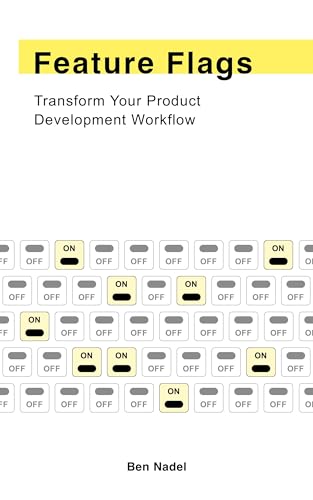
Feature Flags: Transform Your Product Development Workflow
As an affiliate, we earn on qualifying purchases.
As an affiliate, we earn on qualifying purchases.
hiBCTR 20-Pack MTS-103 Toggle Switch, SPDT, 3-Position
- Dual Voltage Rating: AC 125V/6A and AC 250V/3A
- Long Electrical Life: 10,000 cycles durability
- High Dielectric Strength: AC 1000V for 1 minute
As an affiliate, we earn on qualifying purchases.
As an affiliate, we earn on qualifying purchases.