
TL;DR

Get business pricing on monitors, keyboards and dev gear
- Business-only prices and quantity discounts
- Tax-exempt purchasing
- Multiple users, one account, clear invoices
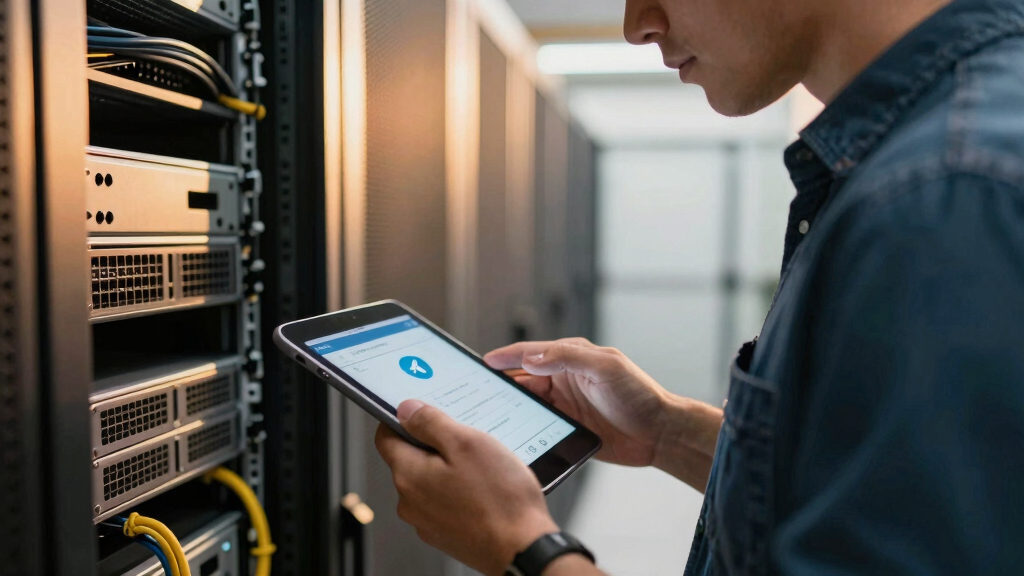
In 2022, questions surrounding Telegram’s data centers gained attention due to limited official information. This report clarifies what is confirmed, highlights ongoing mysteries, and discusses why this matters for users and security analysts.
In 2022, significant questions about the location, infrastructure, and security practices of Telegram’s data centers remained unresolved, despite widespread interest from security researchers and privacy advocates. Telegram has not publicly disclosed detailed information about its data center operations, making these aspects a subject of speculation and investigation. This lack of transparency raises concerns about data security and privacy for millions of users worldwide.
Multiple reports and investigations in 2022 pointed to the existence of several data centers operated by Telegram, primarily located in countries with favorable privacy laws. However, the exact locations, ownership structures, and security measures of these data centers have not been been officially confirmed. Telegram’s founder, Pavel Durov, has emphasized a focus on privacy and security, but detailed technical disclosures remain absent.
Investigations by independent security researchers suggested that some data centers may be in regions with limited oversight, potentially exposing user data to risks. Telegram’s data centers have faced scrutiny over their encryption practices, especially regarding the storage and handling of user data.
Why the Unknowns of Telegram Data Centers Matter for Privacy
The mystery surrounding Telegram’s data centers impacts the platform’s reputation for privacy and security. Without transparency, users cannot verify how their data is stored or protected, raising concerns over potential vulnerabilities or government access. For security professionals, the lack of detailed infrastructure information complicates efforts to assess risks and ensure data integrity. This opacity also influences regulatory discussions about data sovereignty and compliance with privacy laws in different jurisdictions.
enterprise data center security equipment
As an affiliate, we earn on qualifying purchases.
As an affiliate, we earn on qualifying purchases.
Background on Telegram’s Infrastructure and Past Revelations
Telegram, launched in 2013 by Pavel Durov, has grown rapidly, claiming hundreds of millions of active users. The platform emphasizes privacy, offering features like end-to-end encrypted chats and self-destructing messages. Despite this, the specifics of its data infrastructure have remained largely undisclosed. In 2022, investigative reports suggested that Telegram operates multiple data centers across various countries, but the details remain unverified officially. Historically, Telegram has avoided detailed disclosures about its infrastructure, citing security concerns and proprietary reasons.
“We prioritize user privacy and security, but we do not disclose the specifics of our infrastructure for security reasons.”
— Pavel Durov
As an affiliate, we earn on qualifying purchases.
Unconfirmed Aspects of Telegram’s Data Center Operations
It remains unclear exactly where Telegram’s data centers are located, who owns or operates them, and what specific security measures are in place. While investigations suggest possible sites in countries with privacy-friendly laws, no official confirmation has been provided. Additionally, the extent of government or third-party access to these data centers is unknown, as is the level of encryption applied at rest and in transit.
encryption hardware for data centers
As an affiliate, we earn on qualifying purchases.
As an affiliate, we earn on qualifying purchases.
Next Steps for Transparency and Security Verification
Further investigations by security researchers and journalists are expected to seek more concrete information about Telegram’s infrastructure. Telegram may also face pressure from regulators or privacy advocates to disclose more details, especially if security concerns escalate. Meanwhile, users should remain aware of the platform’s opacity and consider how it impacts their data privacy.
network security monitoring devices
As an affiliate, we earn on qualifying purchases.
As an affiliate, we earn on qualifying purchases.
Key Questions
Why does Telegram keep its data center details secret?
Telegram cites security concerns and proprietary reasons for not disclosing detailed information about its infrastructure, aiming to protect against potential attacks or government interference.
Are Telegram’s data centers vulnerable to hacking?
There is no confirmed information about breaches; however, the lack of transparency makes it difficult to assess vulnerabilities or verify security measures.
Could government agencies access Telegram data centers?
The extent of government access remains unknown, as Telegram has not disclosed details about its data center operations or legal compliance measures.
Will Telegram disclose more about its infrastructure?
It is uncertain; future disclosures may depend on regulatory pressures, security developments, or strategic decisions by Telegram.
How does this affect user privacy?
The opacity around data storage and security measures raises concerns about the true privacy protections for Telegram users, especially in regions with surveillance laws.
Source: hn
Halloween Picks
halloween
As an affiliate, we earn on qualifying purchases.