To develop a RESTful API with Python Flask, start by designing clear endpoints that handle necessary operations. Implement robust error handling to manage unexpected issues gracefully, and guarantee your API responds with consistent, meaningful messages. Focus on security by adding authentication, using HTTPS, and limiting request rates. Using Flask extensions like Flask-JWT-Extended can simplify security setup. If you continue exploring, you’ll discover detailed steps to build a reliable, secure, and user-friendly API.
Key Takeaways
- Design API endpoints using Flask routes to handle CRUD operations for resources.
- Implement input validation and error handling to manage invalid data and server errors gracefully.
- Secure the API with token-based authentication like JWT and enforce HTTPS for data protection.
- Use Flask extensions such as Flask-RESTful and Flask-JWT-Extended to streamline development and security.
- Test API functionality thoroughly and document endpoints for clear, consistent client interaction.

Creating a RESTful API with Python Flask is a straightforward way to build scalable web services. When you develop your API, one of your top priorities should be implementing robust error handling. This guarantees that your API can gracefully manage unexpected situations, such as invalid inputs, missing data, or server errors. Instead of letting errors crash your service or return confusing messages, you can define clear, consistent error responses. Use Flask’s error handlers to catch specific HTTP errors like 404 or 500, and customize the messages to guide your API users effectively. Proper error handling not only improves user experience but also simplifies debugging and maintenance, making your API more reliable over time.
Alongside error handling, API security plays a critical role in safeguarding your data and preventing malicious attacks. When you design your Flask API, you should incorporate security measures like authentication and authorization. Implement token-based authentication, such as JSON Web Tokens (JWT), to verify users’ identities before granting access to sensitive resources. Always validate incoming requests for proper headers, tokens, and data formats to prevent injection attacks or unauthorized access. Additionally, use HTTPS to encrypt data transmitted between clients and your server, protecting it from eavesdropping. Flask extensions like Flask-JWT-Extended or Flask-Login can streamline the integration of these security features, making it easier for you to enforce strict access controls.
Beyond authentication, consider adding rate limiting to prevent abuse and DDoS attacks. Flask’s ecosystem offers tools for this purpose, helping you control the number of requests a user can make within a specific timeframe. Regularly updating dependencies and applying security patches is also crucial for maintaining your API’s integrity. Never underestimate the importance of securing your API endpoints — never expose sensitive data through unprotected routes or weak security configurations. Remember, a secure API not only protects your backend but also builds trust with your users.

REST API Development with Flask and Python: A Practical Guide to Building Web Services for Modern Applications
As an affiliate, we earn on qualifying purchases.
As an affiliate, we earn on qualifying purchases.
Frequently Asked Questions
How Do I Deploy My Flask API to a Production Server?
To deploy your Flask API to a production server, you should choose effective deployment strategies like using Gunicorn or uWSGI as your WSGI server. Guarantee proper server configuration by setting up a reverse proxy with Nginx or Apache, which handles client requests efficiently. You also need to configure environment variables, secure your server, and set up automatic deployment processes to keep your API running smoothly and securely in production.
Can I Integrate User Authentication Into This Flask API?
Ever wondered if you can secure your Flask API with user login and token authentication? Absolutely! You can incorporate authentication by adding login endpoints that generate tokens, which users include in headers for secure access. Libraries like Flask-JWT-Extended make it straightforward to implement token authentication. So, yes, you can protect your API endpoints effectively and ensure only authorized users access your data. Isn’t security worth the extra effort?
How Do I Handle Database Migrations and Schema Updates?
You handle database migrations and schema updates by adopting migration strategies like using Flask-Migrate with Alembic. This tool helps you manage schema evolution smoothly, allowing you to generate migration scripts automatically and apply changes incrementally. Always back up your database before migrations, test updates in a staging environment, and document your migration process. This approach guarantees your API remains consistent and reliable during schema evolution.
What Are Best Practices for API Versioning?
API versioning strategies are your secret weapon for avoiding a catastrophe when updating your API. You should prioritize backward compatibility, enabling newer versions to coexist with older ones smoothly. Use URI versioning, headers, or query parameters to clearly indicate versions. This way, you guarantee your users don’t face chaos when new features roll out, keeping your API flexible, reliable, and future-proof—like building a fortress that adapts to every storm.
How Can I Improve API Security and Prevent Common Vulnerabilities?
To improve your API security, you should implement strong input validation to prevent injection attacks and guarantee data integrity. Additionally, apply rate limiting to protect against abuse and DDoS attacks. Regularly update dependencies and use HTTPS to encrypt data in transit. You might also consider authentication and authorization measures, such as tokens, to control access. These steps help safeguard your API from common vulnerabilities effectively.

FLASK API FOR MOBILE APP DEVELOPMENT: BUILDING FAST, SCALABLE, AND SECURE BACKENDS FOR YOUR MOBILE APPS
As an affiliate, we earn on qualifying purchases.
As an affiliate, we earn on qualifying purchases.
Conclusion
By now, you’ve built a simple RESTful API with Python Flask, opening doors to endless possibilities. Think of this project as a seed—nurture it, and it can grow into complex, powerful applications. Remember, every line of code is a stepping stone toward mastery. So, keep experimenting, stay curious, and let your passion for development be the compass guiding you through this exciting journey. The world of APIs is waiting—are you ready to explore?
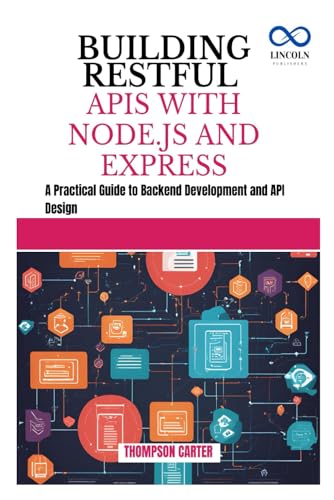
BUILDING RESTFUL APIS WITH NODE.JS AND EXPRESS: A Practical Guide to Backend Development and API Design
As an affiliate, we earn on qualifying purchases.
As an affiliate, we earn on qualifying purchases.

SOLUSTRE Laboratory Beaker Clamp Stand Stable Flask Holder for Chemistry and Biology Multipurpose Lab Support for Flasks Beakers and Test Tubes Reliable Equipment Security
Multipurpose clamp: efficiently holds various lab equipment such as flasks, beakers, and test tubes,extension clamp,beaker clamp
As an affiliate, we earn on qualifying purchases.
As an affiliate, we earn on qualifying purchases.