

Choosing the right software development project management tool is essential for keeping your team organized and delivering projects on time. The best options balance robust features with ease of use, but they often come with tradeoffs like complexity or cost. Jira stands out as the overall best for its flexibility and integrations, while Primavera P6 offers powerful planning for large-scale projects. Meanwhile, tools like Software Project Management For Dummies cater to beginners. Continue reading for a detailed comparison to help you find the perfect fit for your team’s needs and budget.

Get business pricing on monitors, keyboards and dev gear
- Business-only prices and quantity discounts
- Tax-exempt purchasing
- Multiple users, one account, clear invoices
Key Takeaways
- Top-tier options like Jira excel in flexibility and integration, making them suitable for diverse workflows.
- Pricing and complexity vary significantly; more powerful tools tend to come with steeper learning curves and higher costs.
- Specialized tools, such as Primavera P6, are better suited for large or complex projects, while simpler tools serve small teams well.
- User-friendliness often trades off with advanced features; beginners should prioritize intuitive interfaces.
- Integration capabilities with development tools and version control systems are critical for seamless workflows.
| Jira Quick Start Guide: Manage Your Projects Efficiently Using the All-New Jira |  | Best for Beginners Seeking a Clear Introduction to Jira | Target Audience: Beginners and new Jira users | Focus Areas: Basic Jira features and best practices | Difficulty Level: Beginner | VIEW LATEST PRICE | See Our Full Breakdown |
| Primavera P6 Professional Project Management: Release 24 |  | Best for Complex, Large-Scale Project Planning | Target Audience: Large organizations and professional project planners | Core Features: Advanced scheduling, resource management, multi-project tracking | Ease of Use: Intermediate to advanced | VIEW LATEST PRICE | See Our Full Breakdown |
| Software Project Management For Dummies |  | Best for Beginners and Non-Technical Managers | Target Audience: Beginners and non-technical managers | Content Focus: Fundamental techniques and best practices | Technical Depth: Basic, conceptual | VIEW LATEST PRICE | See Our Full Breakdown |
| Agile Project Management For Dummies |  | Best for Beginners Exploring Agile Methodologies | Target Audience: Beginner teams and managers new to Agile | Focus Areas: Principles, values, and basic techniques | Depth: Introductory | VIEW LATEST PRICE | See Our Full Breakdown |
| Project Management Toolbox: Tools and Techniques for the Practicing Project Manager | 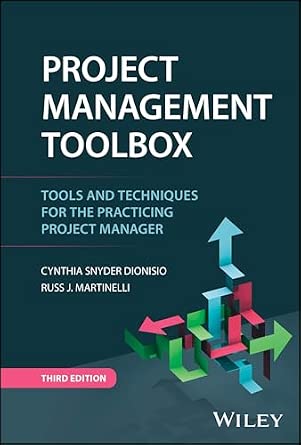 | Best for Practitioners Needing Practical, Real-World Tools | Target Audience: Practicing project managers and technical leads | Content Focus: Tools, techniques, and methodologies | Application Level: Practical, real-world | VIEW LATEST PRICE | See Our Full Breakdown |
| Jira 8 Essentials: Effective Project Tracking and Issue Management with Jira 8.21 and Data Center, 6th Edition |  | Best for Comprehensive Jira Users | Edition: 6th | Focus: Jira 8.21 features and Data Center | Intended Audience: Intermediate to advanced Jira users | VIEW LATEST PRICE | See Our Full Breakdown |
| Applied Software Project Management |  | Best for In-Depth Methodology and Case Studies | Coverage: Methodologies, case studies, best practices | Intended Audience: Students and professionals | Approach: Theoretical with practical examples | VIEW LATEST PRICE | See Our Full Breakdown |
| Git: Project Management for Developers and DevOps – A Hands-on Guide to Version Control, Workflow Management, and Using GitHub, GitLab, and Alternative Git Platforms |  | Best for Developer-Centric Workflow Optimization | Platforms Covered: GitHub, GitLab, Git | Approach: Hands-on, practical techniques | Intended Audience: Developers and DevOps professionals | VIEW LATEST PRICE | See Our Full Breakdown |
| Microsoft Project Cheat Sheet – Beginner and Advanced Quick Reference Guide for Project Management |  | Best for Quick Reference and Efficiency | Coverage: Essential features, tips, shortcuts | Format: Quick reference guide | Intended Audience: Intermediate to advanced users | VIEW LATEST PRICE | See Our Full Breakdown |
| Mastering JIRA for Agile Projects: A Practical Guide with Real-World Examples (Confluence Included) |  | Best for Agile Teams Using JIRA and Confluence | Focus: Agile workflows, collaboration | Includes: Real-world examples, Confluence tips | Intended Audience: Agile project teams | VIEW LATEST PRICE | See Our Full Breakdown |
| The Strategic Project Manager’s Guide to Complex Projects |  | Best for Strategic Complexity Handling | Focus Area: Complex project strategies | Intended Audience: Strategic project managers | Content Depth: High-level insights | VIEW LATEST PRICE | See Our Full Breakdown |
| Ultimate Agile Administration with Jira: Solutions for Agile Project Administration Using Dashboards, Automation Rules, and Plugin Integration with Jira |  | Best for Agile Workflow Optimization | Focus Area: Jira automation and plugins | Intended Audience: Agile project managers with Jira experience | Content Depth: Technical, detailed guidance | VIEW LATEST PRICE | See Our Full Breakdown |
| software development project management tool | Format | Intended Audience |
|---|---|---|
| Jira Quick Start Guide: Manage | Print and digital | — |
| Primavera P6 Professional Proj | — | — |
| Software Project Management Fo | Print book | — |
| Agile Project Management For D | Print and digital | — |
| Project Management Toolbox: To | Print and digital | — |
| Jira 8 Essentials: Effective P | — | Intermediate to advanced Jira users |
| Applied Software Project Manag | — | Students and professionals |
| Git: Project Management for De | — | Developers and DevOps professionals |
| Microsoft Project Cheat Sheet | Quick reference guide | Intermediate to advanced users |
| Mastering JIRA for Agile Proje | — | Agile project teams |
| The Strategic Project Manager’ | Guidance and strategies | Strategic project managers |
| Ultimate Agile Administration | Instructional and solution-focused | Agile project managers with Jira experience |
More Details on Our Top Picks
Jira Quick Start Guide: Manage Your Projects Efficiently Using the All-New Jira
This guide stands out for providing a straightforward overview of Jira’s core features, making it an ideal starting point for new users. Unlike more comprehensive tools like Primavera P6, it emphasizes ease of understanding over advanced project planning capabilities. While it simplifies Jira’s functionalities, it doesn’t delve into complex configurations or custom workflows, which could limit those seeking in-depth mastery. Its focus on essential features makes onboarding faster, but experienced users may find it too basic. Compared to Primavera P6’s complex scheduling tools, this guide keeps things simple and accessible, though it sacrifices depth for clarity. It’s best suited for teams just beginning with Jira or organizations new to agile project management.
Pros:- Easy-to-follow instructions tailored for newcomers
- Provides a solid overview of Jira’s key features
- Helps accelerate initial project setup and adoption
- Focuses on improving basic project management efficiency
Cons:- Lacks coverage of advanced Jira features and configurations
- No practice exercises or hands-on activities included
- Limited depth for users seeking in-depth technical knowledge
Best for: Beginner project managers or teams new to Jira who need a quick, clear onboarding resource
Not ideal for: Advanced users or teams requiring detailed customization and deep technical guidance in Jira
- Target Audience:Beginners and new Jira users
- Focus Areas:Basic Jira features and best practices
- Difficulty Level:Beginner
- Content Type:Guidebook
- Format:Print and digital
- Coverage:Overview and best practices
Our verdict“This guide is perfect for beginners needing a straightforward introduction to Jira’s fundamentals without overwhelming detail.”
Primavera P6 Professional Project Management: Release 24
This software excels at managing large, intricate projects with its extensive scheduling and resource management tools, making it a better fit for enterprise-level planning than the more straightforward Jira Quick Start Guide. Compared to lightweight tools, Primavera P6 offers sophisticated features for handling multi-layered dependencies and resource allocations, but this depth comes with a steep learning curve. While it supports complex project structures, new users may find it overwhelming without extensive training. Its robust capabilities enable detailed project tracking, yet it may be too heavy for small teams or simple projects. This pick makes the most sense for large organizations managing multiple interdependent projects, not for small teams or quick setups.
Pros:- Supports complex project schedules with multiple dependencies
- Enhances planning accuracy with detailed resource tracking
- Suitable for large-scale, multi-project environments
- Provides comprehensive reporting and analytics
Cons:- Steep learning curve for new users without prior Primavera experience
- Less intuitive interface compared to simpler tools
- Requires significant setup time and training
Best for: Project managers overseeing large, complex projects requiring detailed scheduling and resource management
Not ideal for: Small teams or startups looking for lightweight, easy-to-use tools with minimal setup
- Target Audience:Large organizations and professional project planners
- Core Features:Advanced scheduling, resource management, multi-project tracking
- Ease of Use:Intermediate to advanced
- Platform:Desktop application
- Integration:Supports integration with other enterprise tools
- Learning Curve:Steep
Our verdict“Primavera P6 is best for enterprises needing rigorous project planning and resource management, not for quick or small-scale projects.”
Software Project Management For Dummies
This book provides a broad, accessible overview of software project management principles, making it valuable for those new to the field. While it covers fundamental techniques, it doesn’t include technical details like coding or specific tool configurations, which might be necessary for seasoned professionals. Compared with more technical resources like the Project Management Toolbox, this book emphasizes understanding concepts over practical tool application. It’s ideal for managers who want to grasp the basics quickly, but experienced practitioners may find it too superficial for advanced planning. It’s perfect for individuals seeking an entry point into managing software projects without technical complexity.
Pros:- Clear, easy-to-understand language
- Provides a solid foundation of project management concepts
- Practical tips for managing different project phases
- Suitable for non-technical stakeholders
Cons:- Lacks detailed technical or tool-specific guidance
- May be too basic for seasoned professionals
- Does not cover advanced project management methodologies
Best for: New project managers or team leads starting their journey in software project management
Not ideal for: Experienced managers or technical leads seeking deep procedural or technical guidance
- Target Audience:Beginners and non-technical managers
- Content Focus:Fundamental techniques and best practices
- Technical Depth:Basic, conceptual
- Format:Print book
- Level of Detail:Introductory
- Use Case:Understanding core principles
Our verdict“This book is an excellent starting point for beginners needing a clear overview of software project management fundamentals.”
Agile Project Management For Dummies
This book simplifies Agile principles, making it accessible for newcomers and those unfamiliar with Agile frameworks. Compared with the more comprehensive project management tools like Jira or Primavera, it focuses on mindset, values, and basic practices rather than detailed workflows, which benefits teams just starting Agile adoption. However, it doesn’t include detailed case studies or real-world examples, limiting its usefulness for experienced practitioners. Its approachable style helps demystify Agile, but teams seeking advanced techniques or tailored implementations may find it too basic. It’s ideal for teams looking to understand Agile fundamentals without technical complexity.
Pros:- Clear explanations of Agile concepts
- Easy to read and understand for beginners
- Covers core principles and techniques
- Helpful for fostering a flexible project mindset
Cons:- Lacks detailed case studies or real-world examples
- May be too simplistic for advanced Agile teams
- Limited guidance on tailoring Agile practices to specific projects
Best for: Teams new to Agile methods or managers exploring agile transformations
Not ideal for: Experienced Agile practitioners or teams needing detailed case studies and advanced practices
- Target Audience:Beginner teams and managers new to Agile
- Focus Areas:Principles, values, and basic techniques
- Depth:Introductory
- Format:Print and digital
- Content Type:Educational guide
- Use Case:Understanding Agile fundamentals
Our verdict“This book provides a practical, beginner-friendly introduction to Agile project management suited for teams just starting out.”
Project Management Toolbox: Tools and Techniques for the Practicing Project Manager
This book excels at offering a wide array of practical tools and techniques applicable across various project types, making it highly useful for experienced managers seeking actionable methods. Compared with more conceptual books like Software Project Management For Dummies, it dives into specific methodologies and tools, which can be overly technical for casual readers. Its focus on real-world application makes it valuable for those involved in day-to-day project execution, but it may lack depth in strategic or theoretical aspects. If you want a toolkit for immediate use, this resource delivers, but it might be dense for beginners. This makes it ideal for seasoned project managers looking for practical techniques rather than theoretical overviews.
Pros:- Extensive collection of practical tools
- Applicable across various project environments
- Focus on real-world problem solving
- Useful for both planning and execution phases
Cons:- Lacks detailed case studies to illustrate tool application
- Can be too technical or dense for casual readers
- Limited coverage of strategic project management concepts
Best for: Experienced project managers needing a comprehensive set of practical tools and methods
Not ideal for: Casual readers or beginners seeking basic overview or high-level concepts
- Target Audience:Practicing project managers and technical leads
- Content Focus:Tools, techniques, and methodologies
- Application Level:Practical, real-world
- Format:Print and digital
- Coverage:Methodologies and techniques
- Audience Expertise:Intermediate to advanced
Our verdict“This book is best suited for experienced project managers who need a practical, do-it-yourself toolkit for managing projects effectively.”
Jira 8 Essentials: Effective Project Tracking and Issue Management with Jira 8.21 and Data Center, 6th Edition
This book stands out for its detailed coverage of Jira 8.21’s latest features, making it ideal for teams already familiar with Jira seeking to deepen their understanding. Unlike the more practical Mastering JIRA for Agile Projects, which emphasizes real-world application, this guide offers a structured approach to optimizing workflows within Jira Data Center environments. It excels at helping users leverage new capabilities but falls short in providing hands-on tasks or step-by-step tutorials, which might limit its usefulness for beginners. The focus on advanced features makes it a strong choice for experienced project managers aiming for efficient issue tracking and project oversight.
Pros:- Covers latest Jira 8.21 features comprehensively
- Includes practical tips for workflow optimization
- Suitable for both new and experienced Jira users
Cons:- Lacks detailed tutorials or hands-on exercises
- No information on supplementary materials or pricing
- Limited focus on basic Jira functionalities
Best for: Project managers and Jira administrators who want to master the latest features and optimize enterprise workflows
Not ideal for: New users or teams looking for practical, step-by-step Jira tutorials or basic project management guidance
- Edition:6th
- Focus:Jira 8.21 features and Data Center
- Intended Audience:Intermediate to advanced Jira users
Our verdict“This book is best suited for experienced Jira users seeking to leverage new features and improve enterprise project tracking.”
Applied Software Project Management
This book offers a broad and thorough exploration of software project management techniques, making it ideal for professionals who want a solid foundation. Compared with Mastering JIRA for Agile Projects, which is platform-specific, this text emphasizes methodologies, best practices, and real-world case studies that apply across various tools. However, it may feel somewhat outdated in terms of recent technological updates and can be heavy reading for those new to project management. It’s best for those who prefer a theoretical, yet practical, approach to managing complex software projects from initiation to delivery.
Pros:- Extensive coverage of project management methodologies
- Includes practical examples and case studies
- Suitable for both students and seasoned practitioners
Cons:- Lacks recent updates on agile or DevOps practices
- Could be too technical for absolute beginners
- No focus on specific project management tools
Best for: Students and experienced professionals seeking a comprehensive overview of project management principles and case-based learning
Not ideal for: Beginners or those looking for quick, tool-specific guidance without deep theoretical context
- Coverage:Methodologies, case studies, best practices
- Intended Audience:Students and professionals
- Approach:Theoretical with practical examples
Our verdict“This book is ideal for those wanting an in-depth understanding of software project management frameworks and real-world applications.”
Git: Project Management for Developers and DevOps – A Hands-on Guide to Version Control, Workflow Management, and Using GitHub, GitLab, and Alternative Git Platforms
This guide excels at helping development teams integrate version control into project management, standing out from more general guides like Applied Software Project Management. Its practical, hands-on approach makes it especially useful for developers and DevOps professionals who rely heavily on GitHub, GitLab, and similar platforms. The lack of pricing details and customer ratings makes it harder to gauge its market reception, but its focus on collaboration and workflow management fills a critical niche in development projects. It’s less suitable for managers seeking high-level project planning guidance, but excellent for streamlining version control and collaboration.
Pros:- Comprehensive coverage of Git and related platforms
- Practical, step-by-step techniques
- Focuses on collaboration and workflow optimization
Cons:- No specific pricing or customer ratings available
- Limited focus on broader project management concepts
- Requires some familiarity with Git to maximize benefit
Best for: Development teams and DevOps professionals looking to improve version control workflows and platform integrations
Not ideal for: Project managers seeking high-level planning tools or non-technical stakeholders
- Platforms Covered:GitHub, GitLab, Git
- Approach:Hands-on, practical techniques
- Intended Audience:Developers and DevOps professionals
Our verdict“This book is ideal for technical teams aiming to enhance their version control workflows within development and DevOps environments.”
Microsoft Project Cheat Sheet – Beginner and Advanced Quick Reference Guide for Project Management
This cheat sheet provides a concise and accessible reference for users across skill levels, making it a handy tool for quick lookups in daily project management tasks. Compared to Applied Software Project Management, which offers extensive detailed content, this guide is more about immediate usability and speed. Its lack of in-depth tutorials or coverage of the latest updates means it’s best for users who already have some familiarity with Microsoft Project and need a refresher. It’s a valuable resource for those who want to improve efficiency but not for learners seeking comprehensive training.
Pros:- Quick and easy reference for all skill levels
- Helps improve project management efficiency
- Covers essential features and tips
Cons:- Lacks detailed tutorials or explanations
- May not include the latest software updates
- Limited depth for complex project scenarios
Best for: Project managers and team members who need a quick, reliable reference during routine tasks
Not ideal for: Beginners seeking detailed tutorials or users needing step-by-step training
- Coverage:Essential features, tips, shortcuts
- Format:Quick reference guide
- Intended Audience:Intermediate to advanced users
Our verdict“This cheat sheet is perfect for experienced users who want a fast, accessible guide to streamline their Microsoft Project workflows.”
Mastering JIRA for Agile Projects: A Practical Guide with Real-World Examples (Confluence Included)
This book offers practical insights with real-world examples, making it particularly useful for agile teams looking to improve collaboration with JIRA and Confluence. Unlike the more technical Jira 8 Essentials, which emphasizes feature mastery, this guide focuses on applying JIRA in agile workflows, including Confluence integration. Its focus on practical application makes it a strong choice for teams adopting agile methodologies. However, the lack of pricing details or customer ratings might make it harder to evaluate its market relevance. Overall, it helps teams streamline their agile processes and foster better collaboration.
Pros:- Real-world examples enhance understanding
- Includes Confluence integration tips
- Designed specifically for agile teams
Cons:- No pricing or customer ratings available
- Limited focus outside of agile workflows
- May lack depth for advanced Jira users
Best for: Agile project teams seeking practical guidance on JIRA and Confluence integration
Not ideal for: Teams not using agile practices or those seeking in-depth technical Jira features without workflow focus
- Focus:Agile workflows, collaboration
- Includes:Real-world examples, Confluence tips
- Intended Audience:Agile project teams
Our verdict“This guide is ideal for agile teams aiming to improve collaboration and workflow efficiency using JIRA and Confluence.”
The Strategic Project Manager’s Guide to Complex Projects
This book stands out for offering practical strategies tailored to project managers dealing with intricate and multifaceted environments. Compared to more tools-focused options like the Jira Quick Start Guide, it delves into high-level planning and risk navigation, making it ideal for those managing large, cross-functional projects. However, its lack of detailed content or reviews can leave readers uncertain about specific applicability. The absence of pricing information also makes it harder to evaluate as a resource. Overall, this pick makes the most sense for senior project managers or teams facing especially complex challenges, who need strategic guidance over tactical tools.
Pros:- Provides actionable strategies for complex project environments
- Helps simplify otherwise daunting project challenges
- Ideal for strategic-level project managers
Cons:- Lacks specific content details or real-world examples
- No reviews or user feedback available
- No pricing or rating info to gauge value
Best for: Senior project managers handling multi-layered, high-stakes projects requiring strategic oversight
Not ideal for: Entry-level project coordinators or teams seeking hands-on software tools for day-to-day management
- Focus Area:Complex project strategies
- Intended Audience:Strategic project managers
- Content Depth:High-level insights
- Format:Guidance and strategies
- Pricing Info:Not provided
- User Feedback:No reviews available
Our verdict“This guide suits experienced managers looking for high-level frameworks rather than tactical software solutions.”
Ultimate Agile Administration with Jira: Solutions for Agile Project Administration Using Dashboards, Automation Rules, and Plugin Integration with Jira
This book makes the most sense for agile project managers seeking to deepen their Jira expertise, especially those interested in automating workflows and leveraging plugins. Compared to the Jira 8 Essentials guide, it offers a more detailed focus on dashboards, automation, and integrations, which can significantly boost productivity. Conversely, its technical depth may overwhelm beginners or teams new to Jira, lacking simplified onboarding content. While it provides comprehensive guidance on managing agile projects within Jira, users should be prepared for a potentially steep learning curve. For teams already comfortable with Jira or those aiming to optimize their existing setup, this resource offers valuable insights.
Pros:- Provides detailed guidance on Jira dashboards and automation
- Covers plugin and integration options for customization
- Enhances productivity through automation rules
Cons:- Potentially too technical for Jira novices
- Lack of basic onboarding or introductory content
- No specific product features or real-world examples included
Best for: Agile project managers and teams with basic Jira experience seeking to automate and streamline workflows
Not ideal for: Beginners or teams new to Jira who need foundational tutorials before tackling automation and plugins
- Focus Area:Jira automation and plugins
- Intended Audience:Agile project managers with Jira experience
- Content Depth:Technical, detailed guidance
- Format:Instructional and solution-focused
- Pricing Info:Not provided
- User Feedback:No reviews available
Our verdict“This guide is ideal for agile teams looking to maximize Jira’s capabilities through automation and integrations, assuming some prior familiarity.”

How We Picked
To determine the best software development project management tools, I evaluated each product based on performance, usability, integration options, and value for money. I prioritized tools that specifically support software development workflows, such as issue tracking, version control integration, and agile support. Ease of implementation and learning curve were also key factors, ensuring the recommendations work for teams with varying levels of experience. The rankings reflect a balance between feature richness and accessibility, helping buyers find options suited to different project sizes and team needs.| software development project management tool | Format |
|---|---|
| Jira Quick Start Guide: Manage | Print and digital |
| Primavera P6 Professional Proj | — |
| Software Project Management Fo | Print book |
| Agile Project Management For D | Print and digital |
| Project Management Toolbox: To | Print and digital |
| Jira 8 Essentials: Effective P | — |
| Applied Software Project Manag | — |
| Git: Project Management for De | — |
| Microsoft Project Cheat Sheet | Quick reference guide |
| Mastering JIRA for Agile Proje | — |
| The Strategic Project Manager’ | Guidance and strategies |
| Ultimate Agile Administration | Instructional and solution-focused |