

When searching for the fastest WiFi 7 routers, speed is just one piece of the puzzle. The ASUS ROG Rapture GT-BE98 Pro stands out for its quad-band support and impressive 30Gbps throughput, making it ideal for gamers and power users. Meanwhile, the NETGEAR Nighthawk RS90 offers robust coverage for large homes, supporting up to 50 devices at up to 3.6 Gbps. Other standout options include mesh systems and multi-gig ports, but tradeoffs often include higher costs or complexity. Keep reading for a detailed breakdown of these top contenders and what makes each one unique.

Get business pricing on monitors, keyboards and dev gear
- Business-only prices and quantity discounts
- Tax-exempt purchasing
- Multiple users, one account, clear invoices
Key Takeaways
- The highest raw speeds are found in tri-band and quad-band routers, but they often come with a higher price tag.
- Mesh systems like the NETGEAR Orbi 770 excel at covering large areas, though they may sacrifice some speed for coverage.
- Multi-gig ports are increasingly common and essential for future-proofing wired connections with WiFi 7.
- Ease of setup and user interface vary widely; some high-end models target gamers while others focus on simple home use.
- Price ranges from budget-friendly dual-band options to premium tri-band and quad-band systems, reflecting different priorities.
| ASUS ROG Rapture GT-BE98 Pro WiFi 7 Gaming Router – Quad-Band, 30Gbps, Mesh |  | Best Overall for High-End Gaming and Extreme Speed | WiFi Standard: WiFi 7 (802.11be) | Max Speed: 30 Gbps | Bands: Quad-Band | VIEW ON AMAZON | See Our Full Breakdown |
| TP-Link Dual-Band Wi-Fi 7 Router, Archer BE3600 |  | Best Value for Speed and Ease of Use | Wi-Fi Technology: Wi-Fi 7 | Speed (5 GHz): 2882 Mbps | Speed (2.4 GHz): 688 Mbps | VIEW ON AMAZON | See Our Full Breakdown |
| NETGEAR Nighthawk Dual-Band WiFi 7 Router (RS90) – Up to 3.6 Gbps, Covers 2,000 sq. ft., Supports 50 Devices |  | Best for Mid-Range Performance and Device Capacity | WiFi Speed: up to 3.6 Gbps | Frequency Bands: 2.4 GHz + 5 GHz | Coverage: up to 2,000 sq. ft. | VIEW ON AMAZON | See Our Full Breakdown |
| ASUS RT-BE9700 WiFi 7 Router – Tri-Band (6GHz), 9.7 Gbps, Dual WAN, Mesh |  | Best for Versatile High-Speed Networking with Advanced Features | WiFi Standard: WiFi 7 (802.11be) | Max Speed: 9.7 Gbps | Bands: Tri-Band (6GHz, 5GHz, 2.4GHz) | VIEW ON AMAZON | See Our Full Breakdown |
| NETGEAR Orbi 770 Series WiFi 7 Mesh System, 3 Pack |  | Best for Whole-Home Coverage and Ease of Expansion | Coverage: 8,200 sq. ft. | Number of units: 3 Pack | WiFi Technology: WiFi 7 | VIEW ON AMAZON | See Our Full Breakdown |
| GL.iNet GL-BE9300 Flint 3 Tri-Band Wi-Fi 7 Router |  | Best Overall for High Performance and Versatility | Wi-Fi Standard: Wi-Fi 7 | Speed: up to 9 Gbps | Coverage: up to 2,000 sq ft | VIEW ON AMAZON | See Our Full Breakdown |
| NETGEAR Nighthawk WiFi 7 Router (BE17000) – Tri-Band, 17 Gbps, 10 Gig Internet Port, Covers 3,300 sq. ft., Supports 150 Devices |  | Best for Large Homes with Maximum Speed and Coverage | Wireless Speed: up to 17 Gbps | Coverage: 3,300 sq ft | Ports: 1 x 10 Gig, 4 x 1 Gig LAN | VIEW ON AMAZON | See Our Full Breakdown |
| NETGEAR Nighthawk Tri-Band WiFi 7 Router (RS700S) – Router Only | 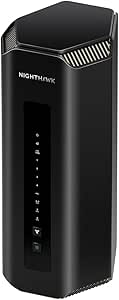 | Best for Ultra-High-Speed Demanding Applications | Wireless Speed: up to 19 Gbps | Coverage: up to 3,500 sq ft | Ports: 1 x 10 Gig, 4 x 1 Gig LAN | VIEW ON AMAZON | See Our Full Breakdown |
| TP-Link Tri-Band WiFi 7 Router (Archer BE600) |  | Best for Large Homes with Advanced Features | WiFi Technology: WiFi 7 | Speed: up to 5,765 Mbps | Coverage: up to 2,600 sq ft | VIEW ON AMAZON | See Our Full Breakdown |
| eero 7 Dual-Band Mesh Wi-Fi 7 Router – Supports Up to 2.5 Gbps, Coverage 2,000 sq. ft., 1-Pack |  | Best for Budget-Friendly Mesh Coverage | Supports internet plans up to: 2.5 Gbps | Coverage: 2,000 sq ft | Number of ports: 2 GbE | VIEW ON AMAZON | See Our Full Breakdown |
| TP-Link Deco 7 Pro BE63 Tri-Band WiFi 7 Mesh System (2-Pack) |  | Best Overall for Large Homes and Extensive Device Support | WiFi Standard: WiFi 7 | Number of Units: 2 | Coverage: 5,800 sq.ft. | VIEW ON AMAZON | See Our Full Breakdown |
| TP-Link Tri-Band WiFi 7 Router (Archer BE550) |  | Best for Speed and Ease of Use for Tech-Savvy Users | WiFi Standard: WiFi 7 | Speed: 5760 Mbps (6 GHz), 2880 Mbps (5 GHz), 574 Mbps (2.4 GHz) | Ports: 1x 2.5G WAN, 4x 2.5G LAN | VIEW ON AMAZON | See Our Full Breakdown |
| NETGEAR Nighthawk Tri-Band WiFi 7 Router (RS700S) – Up to 19Gbps, 10 Gig Port, Covers 3,500 sq. ft., Supports 200 Devices |  | Best for Extreme Speed and High Device Load in Medium to Large Homes | WiFi Speed: up to 19Gbps | Coverage Area: 3,500 sq.ft. | Device Support: up to 200 devices | VIEW ON AMAZON | See Our Full Breakdown |
| TP-Link Archer BE12000 Tri-Band Wi-Fi 7 Router |  | Best for Large Homes Needing Extensive Coverage and High Speed | Wi-Fi Bands: Tri-Band | Maximum Speed: up to 5,765 Mbps | Coverage: Up to 3,000 sq.ft. | VIEW ON AMAZON | See Our Full Breakdown |
| fastest wifi 7 router | Coverage | Ports |
|---|---|---|
| ASUS ROG Rapture GT-BE98 Pro W | — | — |
| TP-Link Dual-Band Wi-Fi 7 Rout | Up to 2,000 sq. ft. | 1x 2.5 Gbps WAN/LAN, 1x 2.5 Gbps LAN, 3x 1 Gbps LAN |
| NETGEAR Nighthawk Dual-Band Wi | up to 2,000 sq. ft. | — |
| ASUS RT-BE9700 WiFi 7 Router | — | — |
| NETGEAR Orbi 770 Series WiFi 7 | 8,200 sq. ft. | — |
| GL.iNet GL-BE9300 Flint 3 Tri- | up to 2,000 sq ft | — |
| NETGEAR Nighthawk WiFi 7 Route | 3,300 sq ft | 1 x 10 Gig, 4 x 1 Gig LAN |
| NETGEAR Nighthawk Tri-Band WiF | up to 3,500 sq ft | 1 x 10 Gig, 4 x 1 Gig LAN |
| TP-Link Tri-Band WiFi 7 Router | up to 2,600 sq ft | 1 x 10 Gbps WAN, 3 x 2.5 Gbps LAN |
| eero 7 Dual-Band Mesh Wi-Fi 7 | 2,000 sq ft | — |
| TP-Link Deco 7 Pro BE63 Tri-Ba | 5,800 sq.ft. | 4x 2.5G WAN/LAN, 1x USB 3.0 |
| TP-Link Tri-Band WiFi 7 Router | — | 1x 2.5G WAN, 4x 2.5G LAN |
| NETGEAR Nighthawk Tri-Band WiF | — | 1x 10 Gig, 4x 1 Gig LAN |
| TP-Link Archer BE12000 Tri-Ban | Up to 3,000 sq.ft. | 1x 10 Gbps WAN/LAN, 3x 1 Gbps LAN |
More Details on Our Top Picks
ASUS ROG Rapture GT-BE98 Pro WiFi 7 Gaming Router – Quad-Band, 30Gbps, Mesh
The ASUS ROG Rapture GT-BE98 Pro stands out for its blazing speeds up to 30 Gbps and quad-band setup, making it ideal for gamers demanding the fastest response times. Compared with the NETGEAR Nighthawk RS90, it offers significantly higher maximum throughput, but the setup process can be more complex, especially for non-technical users. Its external dual-feeding antennas ensure broader coverage, which surpasses many dual-band options. While its premium price reflects its performance, it may be overkill for typical households with moderate usage. This router is perfect for dedicated gamers or power users prioritizing speed and coverage at the highest levels, despite its steep learning curve and cost.
Pros:- Maximum speeds up to 30 Gbps for ultra-fast gaming and streaming
- External dual-feeding antennas for improved coverage
- Multiple high-speed wired ports including dual 10G and quad 2.5G
- Optimized for gaming performance with multi-link operation
Cons:- Setup can be complicated for users unfamiliar with advanced networking
- High price point may be prohibitive for budget-conscious buyers
Best for: High-end gamers and tech enthusiasts seeking the fastest WiFi 7 speeds with extensive coverage.
Not ideal for: Casual users or small households needing simple setup and moderate speeds, as this model is complex and pricey.
- WiFi Standard:WiFi 7 (802.11be)
- Max Speed:30 Gbps
- Bands:Quad-Band
- Antennas:External dual-feeding antennas
- Wired Ports:1 x 10G, 4 x 2.5G
- Features:Multi-link Operation, Game Acceleration
Our verdict“This router is ideal for serious gamers and tech aficionados who need top-tier speed and are prepared for a complex setup.”
TP-Link Dual-Band Wi-Fi 7 Router, Archer BE3600
The TP-Link Archer BE3600 offers reliable WiFi 7 performance with speeds up to 2882 Mbps on 5 GHz, making it a solid choice for streaming, gaming, and smart home devices without breaking the bank. Compared to the ASUS ROG GT-BE98 Pro, it sacrifices some maximum speed and multi-band flexibility but gains in simplicity and affordability. Its dual-band setup is sufficient for most households, and the extensive coverage of up to 2,000 sq. ft. combined with mesh support makes it versatile for different home layouts. While it doesn’t support the 6 GHz band, it still handles high-bandwidth tasks well. This pick suits users who want solid WiFi 7 speeds with straightforward setup and value, but those needing the absolute fastest or multi-band performance might prefer more advanced options.
Pros:- High-speed WiFi 7 performance suitable for multiple devices
- Coverage up to 2,000 sq. ft. with mesh compatibility
- Multiple gigabit ports for wired connections
- Easy setup via Tether app for quick deployment
Cons:- Does not support the 6 GHz band, limiting peak speeds
- Requires separate modem, adding to setup complexity
- Performance may vary based on obstacles and home layout
Best for: Families and small households looking for fast, reliable WiFi 7 with easy management and decent coverage.
Not ideal for: Power users or large homes requiring ultra-high speeds or more complex network configurations, as it lacks 6 GHz support.
- Wi-Fi Technology:Wi-Fi 7
- Speed (5 GHz):2882 Mbps
- Speed (2.4 GHz):688 Mbps
- Ports:1x 2.5 Gbps WAN/LAN, 1x 2.5 Gbps LAN, 3x 1 Gbps LAN
- Coverage:Up to 2,000 sq. ft.
- Processor:Next-gen 2.0 GHz quad-core
Our verdict“This router provides strong WiFi 7 performance for average households seeking value and simplicity in a dual-band design.”
NETGEAR Nighthawk Dual-Band WiFi 7 Router (RS90) – Up to 3.6 Gbps, Covers 2,000 sq. ft., Supports 50 Devices
The NETGEAR Nighthawk RS90 delivers speeds up to 3.6 Gbps, making it suitable for gaming, streaming, and a smart home setup supporting up to 50 devices. Compared with the TP-Link BE3600, it offers similar coverage but with a slightly higher speed ceiling, appealing to users with larger households or more connected devices. Its dual-band architecture simplifies setup and management, but it requires a separate modem, which could be a hassle for some users. While its maximum throughput isn’t as high as ultra-premium models, it strikes a good balance between performance and ease of use. This router is geared toward households with multiple devices needing solid WiFi 7 performance without the highest-end price tag.
Pros:- Supports up to 50 devices with strong WiFi 7 speeds
- Easy setup via app or web browser
- Supports WPA3 security and NETGEAR Armor
- Covers approximately 2,000 sq. ft.
Cons:- Requires a separate modem, adding to initial setup
- Limited in maximum throughput compared to higher-end models
- Coverage might be insufficient for large or multi-story homes
Best for: Medium-sized homes with many connected devices seeking reliable WiFi 7 performance and straightforward setup.
Not ideal for: Large, multi-story residences or users needing the absolute fastest speeds, as it maxes out at 3.6 Gbps and dual-band only.
- WiFi Speed:up to 3.6 Gbps
- Frequency Bands:2.4 GHz + 5 GHz
- Coverage:up to 2,000 sq. ft.
- Devices Supported:up to 50
- WAN Port:2.5 Gigabit Ethernet
- Security:WPA3, NETGEAR Armor
Our verdict“This router is well-suited for busy households needing dependable WiFi 7 with moderate maximum speeds and good device support.”
ASUS RT-BE9700 WiFi 7 Router – Tri-Band (6GHz), 9.7 Gbps, Dual WAN, Mesh
The ASUS RT-BE9700 offers tri-band WiFi 7 speeds up to 9.7 Gbps, supporting the latest 6 GHz band for less interference and higher throughput. Its multi-link operation ensures stable connections, making it ideal for demanding household or small office environments. Compared to the dual-band TP-Link BE3600, it provides an additional 6 GHz band, which can significantly improve multi-device performance and reduce congestion. The inclusion of dual WAN ports, 4G LTE/5G tethering, and AiMesh support offers unparalleled flexibility, though the setup can challenge beginners. This model is well-suited for users needing robust, high-performance WiFi with advanced security and extensive customization options, but those seeking a simple plug-and-play solution might prefer less complex models.
Pros:- Tri-band speeds up to 9.7 Gbps including a dedicated 6 GHz band
- Supports mesh networks with AiMesh for seamless coverage
- Versatile WAN options including 4G LTE and 5G tethering
- Enhanced security features and VPN support
Cons:- Complex setup process for less experienced users
- Premium pricing may be a barrier for some
- Requires compatible devices to utilize full WiFi 7 capabilities
Best for: Tech-savvy users needing flexible, high-speed, multi-band WiFi for home offices or multi-device environments.
Not ideal for: Beginners or users with basic internet needs who may find the extensive features overwhelming or unnecessary.
- WiFi Standard:WiFi 7 (802.11be)
- Max Speed:9.7 Gbps
- Bands:Tri-Band (6GHz, 5GHz, 2.4GHz)
- WAN Ports:2
- Mesh Support:Yes
- Security:Triple-Level Protection, VPN
Our verdict“This router suits advanced users requiring flexible, high-speed connectivity and extensive customization, despite its complexity and cost.”
NETGEAR Orbi 770 Series WiFi 7 Mesh System, 3 Pack
The NETGEAR Orbi 770 Series provides extensive coverage up to 8,200 sq. ft. with a 3-pack system, supporting WiFi 7 speeds up to 11 Gbps. Its simple setup and management via the Orbi app make it a strong choice for large homes, especially for those who want seamless, high-speed WiFi across multiple rooms. Compared to the TP-Link BE3600, this system offers far greater coverage, though it comes at a higher price and requires a subscription for full security features. Its scalability with additional satellites makes it ideal for expanding networks, but the overall cost and need for ongoing subscriptions can be a drawback. This system is best for large households or properties with challenging layouts that demand reliable, high-capacity WiFi coverage.
Pros:- Coverage up to 8,200 sq. ft. with 3 units
- Supports WiFi 7 speeds up to 11 Gbps for demanding tasks
- Easy setup and management via the Orbi app
- Expandable with additional satellites
Cons:- Requires subscription for NETGEAR Armor security
- Price may be high for some budgets
- Coverage and speed can vary based on home layout
Best for: Large homes or multi-story residences needing extensive, reliable WiFi coverage with easy expansion options.
Not ideal for: Small apartments or users on tight budgets, as the full system can be costly and security features require subscriptions.
- Coverage:8,200 sq. ft.
- Number of units:3 Pack
- WiFi Technology:WiFi 7
- Speed:Up to 11 Gbps
- Compatibility:Any internet provider
- Security:NETGEAR Armor, Advanced Router Protection
Our verdict“This mesh system is ideal for large homes needing robust, extensive WiFi coverage with high-speed performance and easy scalability, despite higher costs.”
GL.iNet GL-BE9300 Flint 3 Tri-Band Wi-Fi 7 Router
The GL.iNet GL-BE9300 Flint 3 stands out thanks to its impressive speeds up to 9 Gbps and extensive device capacity, making it an excellent choice for large households with demanding streaming and gaming needs. Compared to the NETGEAR RS700S, it offers comparable coverage but with a focus on device management and parental controls, though its setup might require firmware updates for optimal performance. The inclusion of advanced MLO technology helps reduce latency, which benefits gamers and streamers alike. However, its actual speeds can vary based on ISP and network environment, so real-world performance might differ from the specs. If you prioritize a secure, multi-device network with solid coverage, this router is a smart pick. Still, those seeking plug-and-play simplicity or ultra-high speeds should consider other options.
Pros:- Ultra-fast Wi-Fi 7 speeds up to 9 Gbps for demanding applications
- Supports over 100 devices with stable connectivity
- Includes parental controls and ad-blocking for safer browsing
- Advanced MLO reduces latency and improves connection stability
Cons:- Setup may require firmware updates for optimal performance
- Speed can fluctuate depending on ISP and environment
Best for: Large households or gaming setups needing high speeds and extensive device support
Not ideal for: Casual users or those with simple internet needs, as setup can be complex and performance varies
- Wi-Fi Standard:Wi-Fi 7
- Speed:up to 9 Gbps
- Coverage:up to 2,000 sq ft
- Number of Ports:5 x 2.5G
- Device Capacity:over 100 devices
- Memory:DDR4 1GB / eMMC 8GB
Our verdict“This router suits tech-savvy users with large device networks seeking robust, high-speed Wi-Fi 7 coverage.”
NETGEAR Nighthawk WiFi 7 Router (BE17000) – Tri-Band, 17 Gbps, 10 Gig Internet Port, Covers 3,300 sq. ft., Supports 150 Devices
The NETGEAR Nighthawk BE17000 delivers tri-band speeds up to 17 Gbps, making it ideal for large homes with heavy internet usage. Its expansive coverage of 3,300 sq. ft. surpasses the eero 7, providing reliable connections across multiple rooms and devices. The inclusion of multi-gig wired ports, including a 10 Gig port, offers flexible, ultra-fast wired connectivity—great for gaming PCs or media servers. However, it requires a separate modem, which adds to the initial setup complexity and cost. While the full 6 GHz band offers exceptional performance, only compatible devices can take advantage of it. If your home demands a combination of speed, coverage, and wired options, this router makes a compelling choice. For smaller spaces or those seeking an all-in-one device, it might be overkill and more expensive.
Pros:- Tri-band Wi-Fi 7 with speeds up to 17 Gbps for demanding tasks
- Large coverage area of up to 3,300 sq ft
- Includes a 10 Gigabit port for ultra-fast wired connections
- Supports up to 150 devices simultaneously
Cons:- Requires a separate modem, increasing initial setup complexity
- More expensive than typical routers
Best for: Homeowners with large spaces and multiple high-demand devices needing maximum speed
Not ideal for: Users with small apartments or those preferring an all-in-one solution with modem included
- Wireless Speed:up to 17 Gbps
- Coverage:3,300 sq ft
- Ports:1 x 10 Gig, 4 x 1 Gig LAN
- Compatibility:Requires separate modem
Our verdict“This router is perfect for large homes with high-speed needs and multiple wired devices, despite its higher cost and setup complexity.”
NETGEAR Nighthawk Tri-Band WiFi 7 Router (RS700S) – Router Only
The NETGEAR RS700S offers exceptional speeds up to 19 Gbps, making it suitable for high-end gaming, VR, and 4K streaming. Its coverage of 3,500 sq. ft. and inclusion of a 10 Gig port place it ahead of many competitors like the NETGEAR BE17000 in raw speed and coverage. But, it’s a router-only device, so you’ll need to supply your own modem, which could increase overall setup costs. Its sleek design and high-gain antennas improve range and signal quality, yet the higher price point may be a barrier for some. If you need top-tier performance and coverage with ultra-fast wired connectivity, this model makes a compelling argument. Casual users or those with smaller homes should consider more budget-friendly options.
Pros:- Extreme speeds up to 19 Gbps for demanding tasks
- Wide coverage area of up to 3,500 sq ft
- Includes a 10 Gigabit port for ultra-fast wired connections
- Sleek design with high-performance antennas
Cons:- Requires a separate modem, adding to complexity and cost
- Higher price compared to multi-function routers
Best for: Power users needing maximum speeds and coverage for demanding applications
Not ideal for: Those seeking an all-in-one router with integrated modem or on a tight budget
- Wireless Speed:up to 19 Gbps
- Coverage:up to 3,500 sq ft
- Ports:1 x 10 Gig, 4 x 1 Gig LAN
- Compatibility:Requires separate modem
Our verdict“This router is best suited for users who demand maximum speed and coverage, willing to invest in a high-performance, router-only device.”
TP-Link Tri-Band WiFi 7 Router (Archer BE600)
The TP-Link Archer BE600 leverages WiFi 7 to deliver speeds up to 5,765 Mbps, suitable for high-bandwidth activities across large homes. Its support for Multi-Link Operation and multi-gig ports makes it stand out among mid-range options like the eero 7. The setup is straightforward via the Tether app or web interface, but its advanced features might be overwhelming for casual users and come at a higher price point. While it offers robust security through TP-Link HomeShield, some users may find the extensive features unnecessary. If you need a balance of speed, security, and coverage, this router checks many boxes, though novices might prefer simpler options.
Pros:- Supports WiFi 7 speeds up to 5,765 Mbps for fast connections
- Wide coverage up to 2,600 sq. ft.
- Multiple multi-gig ports for wired devices
- Robust security with TP-Link HomeShield
Cons:- Complex features may be overwhelming for average users
- Premium price might be high for some
Best for: Tech-savvy users or households seeking high speeds with advanced security and management
Not ideal for: Casual users or those on a tight budget who prefer basic setup and features
- WiFi Technology:WiFi 7
- Speed:up to 5,765 Mbps
- Coverage:up to 2,600 sq ft
- Ports:1 x 10 Gbps WAN, 3 x 2.5 Gbps LAN
Our verdict“This router offers high-speed WiFi 7 and advanced security for users comfortable managing complex features and larger networks.”
eero 7 Dual-Band Mesh Wi-Fi 7 Router – Supports Up to 2.5 Gbps, Coverage 2,000 sq. ft., 1-Pack
The eero 7 offers a practical entry into WiFi 7, supporting internet plans up to 2.5 Gbps and covering 2,000 sq. ft. with a single unit. It’s an excellent choice for users who want reliable, high-speed Wi-Fi without the complexity of advanced features. Compared with the NETGEAR BE17000, it’s less powerful but more budget-friendly and easier to set up, especially for those familiar with the eero ecosystem. Its mesh capability allows expansion, making it suitable for growing homes. However, it’s limited to a single unit, which might not suffice for larger or multi-story homes, and full speeds depend on having a compatible internet plan. If your needs are moderate and budget-conscious, this is a solid option.
Pros:- Supports internet plans up to 2.5 Gbps for fast speeds
- Covers up to 2,000 sq ft with a single unit
- Supports over 120 devices simultaneously
- Supports mesh expansion for larger coverage
Cons:- Limited to a single unit, requiring multiple for larger homes
- Full WiFi 7 speeds need compatible plans and devices
Best for: Small to medium homes seeking reliable WiFi 7 with simple setup and mesh expandability
Not ideal for: Large households or demanding applications requiring maximum speed and coverage
- Supports internet plans up to:2.5 Gbps
- Coverage:2,000 sq ft
- Number of ports:2 GbE
- Technology:Wi-Fi 7
Our verdict“This reliable mesh router is ideal for smaller homes wanting straightforward WiFi 7 performance at a lower price point.”
TP-Link Deco 7 Pro BE63 Tri-Band WiFi 7 Mesh System (2-Pack)
The TP-Link Deco 7 Pro BE63 stands out for its impressive coverage of up to 5,800 sq.ft., making it ideal for sprawling homes. Its mesh system supports over 200 devices simultaneously, surpassing many competitors like the NETGEAR Nighthawk RS700S, which covers less and is less suited for extensive device loads. The inclusion of a 10G WAN/LAN port offers future-proof wired connectivity, but it requires a separate modem, adding complexity for some users. While the advanced features and large coverage are appealing, the setup process may be daunting for non-technical users. Compared to single-router options, this mesh system excels for users needing seamless coverage across large areas without performance drops. However, its complexity and reliance on the Deco App could be a barrier for beginners.
Pros:- Supports WiFi 7 for future-proof high-speed connectivity
- Extensive coverage up to 5,800 sq.ft.
- Handles over 200 devices simultaneously without performance issues
- Includes multiple wired ports for versatile connections
Cons:- Requires a separate modem for internet access
- Setup and advanced features may be complex for non-technical users
Best for: Homeowners with very large properties seeking extensive coverage and high device capacity
Not ideal for: Small apartment dwellers or users preferring simple, plug-and-play solutions
- WiFi Standard:WiFi 7
- Number of Units:2
- Coverage:5,800 sq.ft.
- Max Speed:5,188 Mbps (6 GHz), 4,324 Mbps (5 GHz), 574 Mbps (2.4 GHz)
- Ports:4x 2.5G WAN/LAN, 1x USB 3.0
- Mesh Coverage:Supports over 200 devices
Our verdict“This mesh system is best suited for large homes needing robust coverage and device support, despite its complexity.”
TP-Link Tri-Band WiFi 7 Router (Archer BE550)
The TP-Link Archer BE550 delivers blazing speeds up to 5760 Mbps across three bands, making it an excellent choice for gamers and streamers. Its tri-band setup, with dedicated 6 GHz, 5 GHz, and 2.4 GHz channels, surpasses dual-band options like the NETGEAR RS700S in speed and performance. The EasyMesh support enables straightforward extension of coverage, but you will need a compatible modem, which can be a hurdle for some. Its multiple 2.5G ports provide fast wired connections, though this model might be overkill for casual users who don’t require such high throughput. Compared to mesh systems like the Deco 7 Pro, it’s more suited to users who want a powerful standalone router with simple setup—yet it lacks integrated mesh, which could limit coverage in very large homes.
Pros:- High-speed tri-band WiFi 7 performance up to 5760 Mbps
- Supports EasyMesh for flexible coverage extension
- Multiple 2.5G ports for fast wired connections
- User-friendly setup via Tether app
Cons:- Requires a modem for internet service
- Overkill for basic internet needs and casual users
Best for: Tech-savvy users who prioritize high speeds for gaming, streaming, and large downloads
Not ideal for: Users seeking a simple, plug-and-play setup or multi-unit mesh coverage
- WiFi Standard:WiFi 7
- Speed:5760 Mbps (6 GHz), 2880 Mbps (5 GHz), 574 Mbps (2.4 GHz)
- Ports:1x 2.5G WAN, 4x 2.5G LAN
- Antennas:6
- Security:WPA3, HomeShield
Our verdict“This router makes the most sense for users demanding top-tier WiFi 7 speeds and straightforward setup, with less emphasis on mesh coverage.”
NETGEAR Nighthawk Tri-Band WiFi 7 Router (RS700S) – Up to 19Gbps, 10 Gig Port, Covers 3,500 sq. ft., Supports 200 Devices
The NETGEAR Nighthawk RS700S offers speeds up to 19Gbps, making it one of the fastest WiFi 7 routers available, ideal for heavy gaming, 4K streaming, and large households. Its broad support for 200 devices and coverage of 3,500 sq.ft. makes it a strong choice for medium-sized homes. The built-in 10 Gig port enables rapid downloads and uploads, but the need for a separate modem can complicate setup. Compared to the Deco 7 Pro, it emphasizes speed and wired connectivity over mesh flexibility. The sleek design minimizes clutter, but its premium features come with a higher price tag, and the renewed model might have limited warranty support. For users prioritizing raw speed and a large number of devices, this router offers outstanding performance, though it requires more technical setup.
Pros:- Blazing WiFi 7 speeds up to 19Gbps
- Supports up to 200 devices simultaneously
- Includes a 10 Gig Ethernet port for ultra-fast wired connections
- Stylish design with extensive coverage
Cons:- Requires a separate modem for internet access
- Renewed product may have warranty limitations
Best for: Power users needing maximum speed and device support in a medium-sized home
Not ideal for: Budget-conscious buyers or those preferring simple, integrated mesh systems
- WiFi Speed:up to 19Gbps
- Coverage Area:3,500 sq.ft.
- Device Support:up to 200 devices
- Ports:1x 10 Gig, 4x 1 Gig LAN
- Security:Built-in security features
Our verdict“This router is perfect for demanding environments where speed and high device capacity are paramount, despite its setup complexity and higher cost.”
TP-Link Archer BE12000 Tri-Band Wi-Fi 7 Router
The TP-Link Archer BE12000 delivers impressive speeds up to 5,765 Mbps across three bands, making it highly suitable for large households with demanding internet needs. Its extensive coverage of up to 3,000 sq.ft. and six high-gain antennas help it outperform many dual-band options like the NETGEAR RS90 in both speed and range. Multiple gigabit ports, including a 10 Gbps WAN/LAN, cater to high-speed wired connections, but it’s not compatible with mesh systems like the Deco, limiting flexibility in very large or multi-story homes. Its advanced security features and easy setup make it a compelling choice for users who want a straightforward, high-performance router for a sizable property. However, performance can vary based on obstacles or device placement, and it requires a separate modem.
Pros:- Fast tri-band WiFi 7 performance up to 5,765 Mbps
- Supports extensive coverage with 6 high-gain antennas
- Multiple gigabit ports, including 10 Gbps WAN/LAN
- Easy setup with Tether app
Cons:- Not compatible with mesh WiFi systems like Deco
- Requires a separate modem for internet access
Best for: Large households seeking fast, reliable WiFi coverage with high-speed wired options
Not ideal for: Users wanting mesh for seamless coverage in sprawling, multi-level homes
- Wi-Fi Bands:Tri-Band
- Maximum Speed:up to 5,765 Mbps
- Coverage:Up to 3,000 sq.ft.
- Ports:1x 10 Gbps WAN/LAN, 3x 1 Gbps LAN
- Antennas:6
Our verdict“This router is ideal for large homes where speed and wired connectivity matter most, despite the lack of mesh support.”

How We Picked
Our evaluation focused on performance benchmarks, real-world usability, build quality, and value for money. Speed ratings, multi-band support, and the presence of multi-gig ports were key indicators of top-tier WiFi 7 performance. We also considered coverage areas, device support, and mesh capabilities for larger homes. Ease of setup and user experience played a role, especially for less tech-savvy buyers. Ultimately, the models are ranked based on their ability to deliver the fastest speeds while balancing practical features and price.
Factors to Consider When Choosing Fastest Wifi 7 Routers
Choosing a WiFi 7 router for maximum speed involves balancing several factors beyond just raw throughput. Understanding these considerations can help you avoid common pitfalls and select a device that truly matches your needs.Speed and Band Support
Look beyond advertised maximum speeds and consider your actual internet plan. Routers with tri-band and quad-band support typically offer higher potential speeds and better device distribution. However, the real-world benefit depends on your ISP plan and connected devices. If your internet is limited to 1 Gbps, investing in a router with 30 Gbps capacity may be overkill, but it offers future-proofing for faster plans or more devices.
Coverage and Mesh Capabilities
Consider your home size and layout. Larger homes benefit from mesh systems that spread coverage evenly, but these often come at a higher cost. Mesh setups like the NETGEAR Orbi 770 or TP-Link Deco 7 Pro can eliminate dead zones, yet they sometimes reduce top speeds in certain areas. Smaller apartments or offices can get by with a single high-speed router, reducing complexity and expense.
Wired Ports and Future-Proofing
Multi-gig ports are increasingly standard and important for wired connections, especially for gaming or high-bandwidth tasks. Check whether the router offers 2.5G, 5G, or even 10G ports to avoid bottlenecks. This is particularly relevant if you plan to connect high-speed NAS devices or desktop PCs directly, ensuring your wired network matches your wireless performance.
Ease of Setup and User Experience
High-performance routers can be complex to configure, especially mesh or multi-band models. Manufacturers with intuitive apps or straightforward interfaces reduce setup time and frustration. If you’re not comfortable with networking tech, prioritize models with good user reviews for setup experience, even if they slightly lag in raw speed or features.
Price and Value
Prices vary widely, and premium models often include features you might not need. Determine your essential requirements—such as speed, coverage, or device support—and choose accordingly. Sometimes, a mid-range router offers better value if it meets your needs without paying for unnecessary extras. Conversely, if maximum performance and future-proofing matter, investing in a top-tier model can save money in the long run.
Frequently Asked Questions
Is WiFi 7 actually faster than WiFi 6?
Yes, WiFi 7 is designed to deliver significantly higher speeds than WiFi 6 by utilizing wider channels, more efficient modulation, and multi-band support. In ideal conditions, WiFi 7 can reach speeds well over 30 Gbps, compared to WiFi 6’s maximum of around 9.6 Gbps. However, actual speeds depend on your internet plan, devices, and network setup, so the theoretical maximum may not always translate directly into everyday use.
Do I need a WiFi 7 router if I only have a 1 Gbps internet plan?
Not necessarily. If your internet plan caps at 1 Gbps, a WiFi 7 router with higher maximum speeds won’t increase your internet speed directly. However, a WiFi 7 router can improve network efficiency, reduce congestion, and support more devices smoothly. It also offers better future-proofing in case you upgrade your internet plan later. For now, focus on routers that match your current speed needs, but consider a WiFi 7 model if your budget allows.
Are mesh WiFi 7 systems better than traditional routers?
Mesh systems excel in providing uniform coverage over large or complex spaces, making them ideal for big homes or offices. They typically support multiple nodes that work seamlessly together, reducing dead zones. However, mesh systems can sometimes compromise peak speed at individual points compared to a high-end traditional router. Your choice depends on your home’s size and your need for consistent coverage versus maximum speed in a single location.
What features should I prioritize for gaming performance?
For gaming, prioritize routers with multi-gig ports for wired connections, low latency, and Quality of Service (QoS) features that prioritize gaming traffic. A router with high maximum throughput and support for WiFi 7’s multi-band capabilities can reduce lag and buffering. Additionally, look for models with good firmware support and minimal interference, which can make a notable difference during intense gaming sessions.
How important is multi-gig Ethernet support in a WiFi 7 router?
Multi-gig Ethernet ports are increasingly valuable, especially as internet speeds and local data transfers grow. They allow wired devices to fully utilize high-speed internet plans and connect to fast NAS storage without bottlenecks. For most users with plans under 10 Gbps, a 2.5G port is sufficient, but if you’re future-proofing or working with high-volume data, a 10G port can be a worthwhile investment.
Conclusion
For general users seeking the best overall experience, the ASUS ROG Rapture GT-BE98 Pro offers unmatched speed and gaming features. Those prioritizing coverage and ease of use might prefer the NETGEAR Orbi 770 mesh system, especially for large homes. Budget-conscious buyers can find solid performance in the TP-Link Archer BE600, which balances speed and affordability. Tech enthusiasts and future-proofers should consider models with multi-gig ports, like the NETGEAR RS700S. Ultimately, choosing the right router depends on your specific needs—speed, coverage, ease, or budget—so weigh these factors carefully to make the best choice.
Fall Picks
fall essentials
As an affiliate, we earn on qualifying purchases.