
To prevent event schema breakdowns, you should implement robust data contracts with version control. This means clearly defining your schemas, including fields and types, and making backward-compatible changes whenever possible. When breaking changes are necessary, introduce new schema versions alongside old ones to guarantee smooth shifts. Managing schema evolution carefully reduces errors and maintains system stability. Keep these practices in mind, and you’ll discover how proper schema management can safeguard your data exchanges effectively.
Key Takeaways
- Define clear data contracts specifying schema structure, versioning rules, and change management processes to ensure consistent event data exchanges.
- Implement version control to track schema changes, enabling systems to handle multiple schema versions simultaneously.
- Use backward-compatible schema updates by adding fields instead of removing or altering existing ones.
- Establish migration strategies for translating data between different schema versions during transition periods.
- Maintain thorough documentation and traceability of schema changes to facilitate debugging, rollback, and future evolution.

Have you ever wondered how teams guarantee that data exchanged between systems remains consistent and reliable? It’s a challenge that software engineers and data architects face daily, especially as systems grow and evolve. One key to maintaining data integrity is understanding and managing schema evolution. Schemas define the structure of your data—what fields exist, their data types, and how they relate. Over time, these schemas need to change to accommodate new features or fix issues, but without careful management, these changes can break the entire data flow. This is where the concept of version control becomes critical. Just like code, schemas must be versioned so that everyone on the team knows which version is in use, which has been deprecated, and how to handle transitions. Without proper version control, systems might interpret data differently, leading to inconsistencies, errors, or even data loss.
When it comes to schema evolution, the goal is to make updates that are backward-compatible whenever possible. This means adding new fields rather than removing or altering existing ones, so older systems can still process data without failure. But when you do need to make breaking changes, version control allows you to introduce new schema versions alongside existing ones, giving systems time to adapt. You can implement migration strategies that translate old data formats into new ones or vice versa, ensuring smooth transitions. This approach minimizes disruptions and preserves data integrity across all components involved. Incorporating schema versioning is essential for tracking and managing these changes effectively. Additionally, establishing clear change management processes ensures that schema updates are reviewed and coordinated properly, further reducing the risk of errors. A well-defined schema lifecycle helps teams understand when and how to introduce updates safely. Recognizing the importance of schema compatibility helps in designing flexible data contracts that can evolve without breaking existing integrations. Proper documentation of these changes further supports schema evolution, making future updates more manageable.
Having a solid data contract in place ensures that all parties—whether they’re consuming or producing data—are aligned on schema expectations. It acts as a formal agreement that specifies the structure, semantics, and versioning rules of data exchanges. By incorporating version control into your data contracts, you create a traceable history of schema changes, making it easier to diagnose issues or roll back to previous versions if needed. This process helps prevent breaking changes from propagating through your systems, which could otherwise lead to costly downtime or bugs.
A well-defined, version-controlled data contract ensures alignment, traceability, and stability across evolving systems.
In essence, managing schema evolution with robust version control practices is vital for maintaining reliable data exchanges. It’s about planning for change, documenting it meticulously, and implementing strategies that allow your systems to evolve gracefully. When data contracts are well-defined and versioned properly, you empower your team to adapt to new requirements without sacrificing stability. This proactive approach ensures that your data remains consistent, accurate, and trustworthy—no matter how complex your systems become.
event schema version control tools
As an affiliate, we earn on qualifying purchases.
As an affiliate, we earn on qualifying purchases.
Frequently Asked Questions
How Do Data Contracts Differ From Traditional API Schemas?
You’ll find that data contracts differ from traditional API schemas because they focus on schema validation and contract versioning. With data contracts, you create a clear, enforceable agreement ensuring that data conforms to specific schemas, preventing breaking changes. Unlike traditional schemas, they emphasize ongoing validation and version control, so your data integrations stay reliable even as schemas evolve. This proactive approach helps maintain consistency and reduces integration disruptions over time.
What Tools Are Best for Managing Data Contracts?
You should consider tools like Schema Registry, which excels in schema validation and enforces data governance, ensuring your event schemas stay consistent. While intuitive, these tools also handle complex versioning and compatibility checks, contrasting with manual validation methods. By automating schema validation and maintaining data governance standards, they prevent schema breakages, keeping your data contracts reliable, flexible, and easy to manage as your system evolves.
Can Data Contracts Be Automated in Ci/Cd Pipelines?
Yes, you can automate data contracts in CI/CD pipelines. You do this by incorporating schema validation tools that automatically check your event schemas against predefined standards during each build or deployment. Additionally, using version control guarantees your schemas are tracked and managed effectively, preventing breaking changes. This automation helps catch issues early, maintain consistency, and ensure your event schemas stay reliable as your system evolves.
How Do Data Contracts Handle Schema Evolution?
You guarantee schema evolution is handled smoothly by implementing version compatibility and schema versioning within your data contracts. When a schema changes, you update the version number and maintain backward or forward compatibility, so existing systems continue functioning without issues. This approach allows you to adapt to new data requirements while preventing breaking changes, ensuring your event schemas stay reliable and consistent across different components and versions.
What Are Common Pitfalls When Implementing Data Contracts?
Imagine building a bridge without checking the blueprints—disaster awaits. When implementing data contracts, you risk pitfalls like neglecting version control and inadequate validation strategies. Without proper version control, schemas can drift apart, causing breakages. Overlooking validation strategies leaves room for incompatible data to slip through. Stay vigilant, keep your schemas aligned, and regularly validate to guarantee your data contracts remain strong and reliable, preventing costly breakdowns.
![Express Schedule Free Employee Scheduling Software [PC/Mac Download]](https://m.media-amazon.com/images/I/41yvuCFIVfS._SL500_.jpg)
Express Schedule Free Employee Scheduling Software [PC/Mac Download]
Simple shift planning via an easy drag & drop interface
As an affiliate, we earn on qualifying purchases.
As an affiliate, we earn on qualifying purchases.
Conclusion
By embracing data contracts, you’re not just safeguarding your schemas—you’re forging an unbreakable bond with your data’s integrity. Think of these contracts as the sturdy bridge over turbulent waters, guiding your data flow safely across. Without them, chaos lurks in the shadows, ready to disrupt your systems. So, take charge today: define your schemas clearly, and let data contracts be your steadfast guard, ensuring your data journey remains smooth and resilient.
schema migration tools for data exchange
As an affiliate, we earn on qualifying purchases.
As an affiliate, we earn on qualifying purchases.
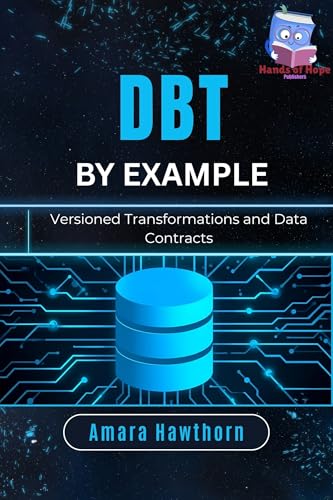
dbt by Example: Versioned Transformations and Data Contracts
As an affiliate, we earn on qualifying purchases.
As an affiliate, we earn on qualifying purchases.