In observability systems, you can use time-series compression techniques to reduce data redundancy and improve storage efficiency. These methods exploit predictable patterns and data properties, such as differences between data points, to encode information compactly while maintaining essential insights. Balancing compression ratio with data fidelity helps you retain critical details or maximize storage gains. By applying adaptive algorithms, you can handle growing data volumes more effectively—continue exploring to discover how these techniques can transform your data management and analysis.
Key Takeaways
- Exploit data redundancy through differencing and predictive models to reduce storage needs.
- Balance compression ratio and data fidelity based on analysis requirements.
- Use adaptive algorithms that tailor compression strategies to data patterns.
- Leverage predictable behaviors and data properties for more effective compression.
- Enable scalability and faster insights by minimizing data volume without losing critical information.

Time-series data, characterized by sequential measurements over time, can quickly become massive and challenging to store or analyze efficiently. As data accumulates from sensors, logs, or monitoring tools, you face the risk of overwhelming your storage systems and slowing down your analysis processes. Time-series compression techniques are essential tools that help you manage this data deluge by reducing storage costs and improving data retrieval speeds. One of the core principles behind these techniques is minimizing data redundancy. Since many measurements in time-series data are similar or show predictable patterns, compression algorithms exploit this redundancy to eliminate unnecessary repetition. By doing so, you can store more data in less space without losing critical information, directly impacting your storage efficiency.
Time-series compression reduces storage needs by exploiting data redundancy and predictable patterns, enhancing efficiency and analysis speed.
When you apply time-series compression, you’re essentially transforming raw data into a more compact form that retains the essential information. For example, instead of saving every single measurement, you might store differences between consecutive points or use predictive models to represent data trends. This approach considerably cuts down on the amount of data you need to save, making your storage more efficient. As a result, you reduce the costs associated with data storage and enhance your ability to scale your observability systems. More efficient storage also means faster data retrieval times because less data needs to be processed during queries, which is indispensable when you’re troubleshooting or analyzing system behaviors in real-time. Recognizing patterns and predictable data behaviors can further enhance the effectiveness of your chosen algorithms.
Furthermore, these compression techniques can be tailored to specific use cases, balancing between compression ratio and data fidelity. In some scenarios, losing minor details might be acceptable, allowing for higher compression rates. In others, retaining every detail is imperative, so you might opt for less aggressive compression methods. Many algorithms are designed to adapt dynamically, providing you with flexible options to optimize storage efficiency without compromising the quality of your insights. Recognizing patterns and predictable data behaviors can further enhance the effectiveness of your chosen algorithms. Additionally, understanding the redundancy in your data allows you to select the most effective compression strategies for your needs. Leveraging data properties and implementing adaptive algorithms can also significantly improve compression outcomes. As you implement these techniques, you’ll notice that your system becomes more scalable and manageable, especially as your data volume grows. By reducing data redundancy and improving storage efficiency, time-series compression enables you to handle larger datasets with fewer resources, ensuring your observability infrastructure remains agile and cost-effective.
Ultimately, mastering these compression methods ensures that your time-series data remains accessible, analyzable, and well-managed. You can keep pace with data growth, extract valuable insights faster, and keep your system lean and efficient—all indispensable factors for maintaining robust observability systems in today’s data-driven environments.

Declutter Your Data: Take Charge of Your Data and Organize Your Digital Life (Reference Series)
As an affiliate, we earn on qualifying purchases.
As an affiliate, we earn on qualifying purchases.
Frequently Asked Questions
How Does Compression Impact Data Accuracy in Observability Systems?
Compression can impact data accuracy in observability systems by introducing compression artifacts, which may affect data fidelity. When you apply aggressive compression, you risk losing subtle details, potentially skewing analysis results. However, with balanced techniques, you maintain high data fidelity while reducing storage needs. You should carefully choose compression methods to minimize artifacts, ensuring your data remains reliable for accurate monitoring and troubleshooting.
What Are the Best Practices for Choosing Compression Methods?
Imagine selecting a gentle breeze that balances power and grace; that’s how you should choose compression methods. Prioritize adaptive algorithms that adjust dynamically to data patterns, ensuring ideal compression without sacrificing accuracy. Consider energy efficiency to extend device lifespan and reduce operational costs. By blending these elements, you craft a strategy that maintains data integrity while maximizing system performance, much like a well-tuned symphony that harmonizes precision with sustainability.
How Do Compression Techniques Vary Across Different Observability Tools?
You’ll notice that compression techniques vary across observability tools, mainly due to differences in data granularity and compression latency requirements. Some tools prioritize high compression ratios, which may increase latency, while others focus on real-time data processing with lower latency. You should choose methods aligned with your system’s needs; for example, high-frequency metrics may need faster, less complex compression, whereas long-term storage can tolerate higher latency for better compression.
What Are the Challenges in Real-Time Time-Series Data Compression?
You face challenges in real-time time-series data compression because data redundancy can cause unnecessary processing, and minimizing compression latency is essential for timely insights. As you compress data on the fly, you need to balance reducing redundancy with maintaining quick processing speeds. If compression takes too long, it delays data availability, affecting decision-making. Managing these trade-offs requires efficient algorithms that handle redundancy without introducing significant latency.
How Is Compressed Data Stored and Retrieved Efficiently?
You can store and retrieve compressed data efficiently by leveraging data deduplication and lossless algorithms. Deduplication eliminates redundant data, reducing storage needs, while lossless algorithms guarantee accuracy during compression and decompression. This combination allows quick access to specific data points without decompressing entire datasets, enhancing performance. Many systems also index compressed data, making retrieval fast. Embracing these methods guarantees both storage efficiency and data integrity during retrieval.
As an affiliate, we earn on qualifying purchases.
Conclusion
By understanding time-series compression techniques, you enhance data efficiency, reduce storage costs, and improve system performance. You optimize data transmission, streamline analysis, and guarantee faster insights. You adopt effective algorithms, leverage innovative methods, and embrace scalable solutions. You empower your observability system to be more agile, more reliable, and more insightful. In mastering these techniques, you transform raw data into valuable knowledge, making your system smarter, leaner, and more resilient.
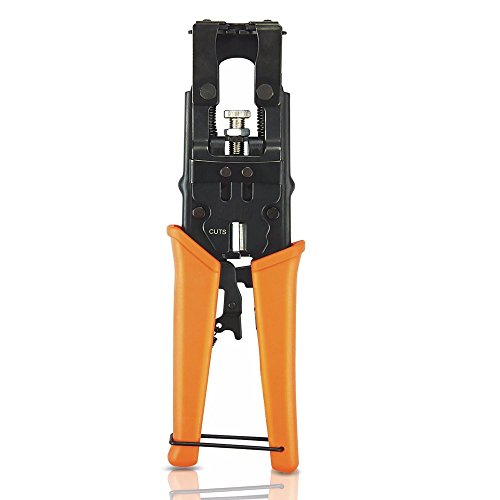
Cables Direct Online Professional BNC Compression Tool for RG59, RG6, and RG58 Coaxial Cables – Universal Adjustable Crimping for CCTV, Satellite, and Antenna Installations
- Universal Compatibility: Works with RG59, RG6, RG58 cables
- Professional Compression: Ensures secure, reliable BNC connections
- Adjustable Compression Length: Supports various connector sizes
As an affiliate, we earn on qualifying purchases.
As an affiliate, we earn on qualifying purchases.

Fundamentals of Machine Learning for Predictive Data Analytics, second edition: Algorithms, Worked Examples, and Case Studies
As an affiliate, we earn on qualifying purchases.
As an affiliate, we earn on qualifying purchases.