
TL;DR
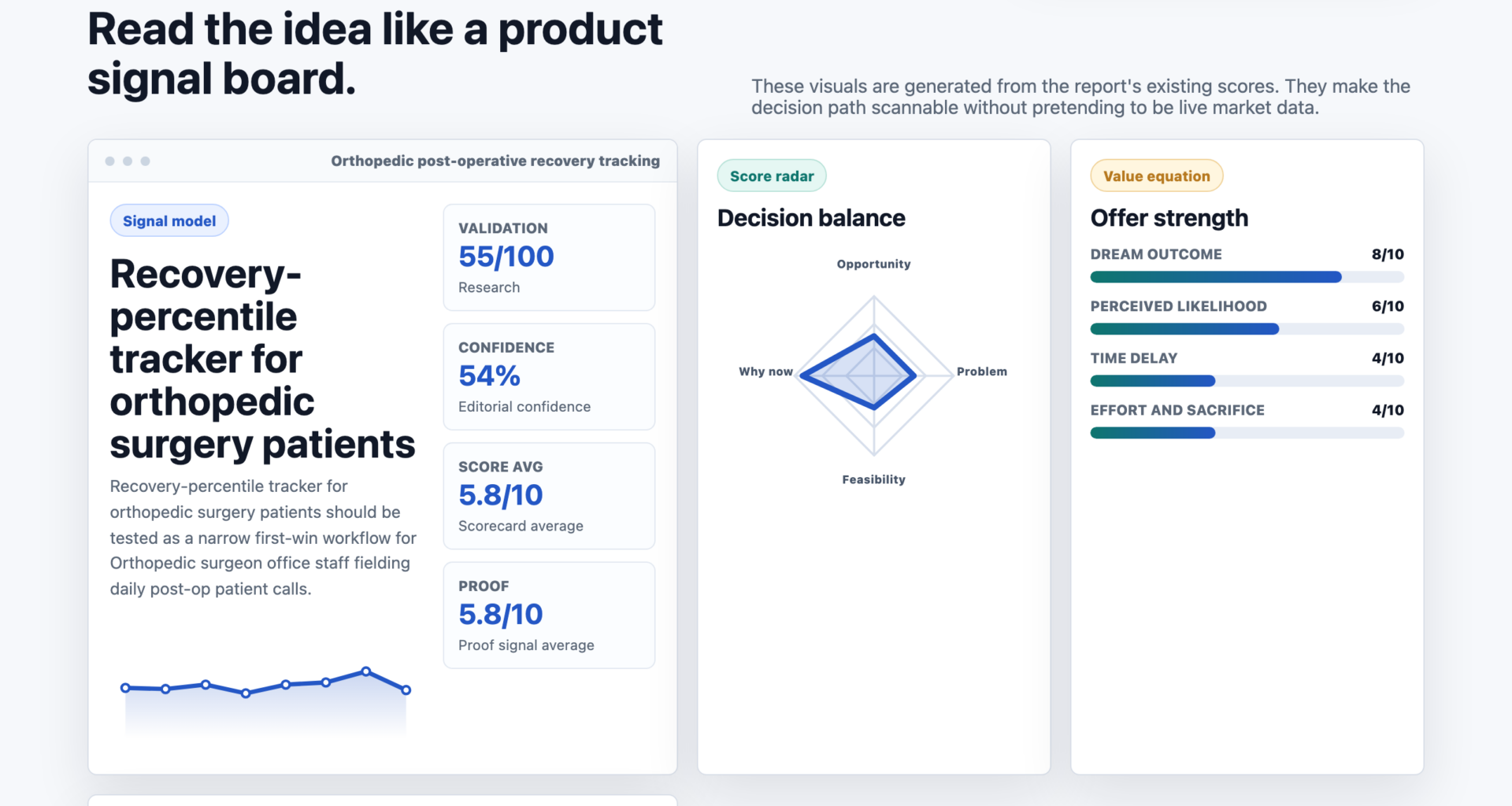
A novel recovery-percentile tracker for orthopedic surgery patients is being tested to help patients gauge their recovery progress objectively. The tool aims to reduce post-operative calls, easing office workload. Validation is underway with a pilot program involving knee replacement patients.
A new recovery-percentile tracker for orthopedic surgery patients is being tested in a pilot program to help patients objectively monitor their recovery progress. This development aims to reduce the volume of post-operative calls to surgeon offices, which often flood staff with questions about normal healing. The tool provides patients with percentile rankings based on anonymized recovery data, offering reassurance and potentially decreasing unnecessary clinical contacts.
The tracker is designed for outpatient orthopedic procedures, starting with knee replacements. Patients log daily metrics such as pain levels, range of motion, and walking milestones. These data points are then plotted against anonymized recovery curves, generating a percentile ranking that indicates how the patient’s progress compares to typical recoveries for the same procedure.
Implementation involves a subscription model billed to surgeon offices, aiming to streamline post-op care and reduce the burden on staff. The initial validation involves recruiting one orthopedic practice and 15 knee-replacement patients who will log their recovery data daily for two weeks. The primary metric for success is whether tracked patients generate fewer ‘is this normal?’ calls than a control group.
While this approach is still in testing, early discussions suggest it could become a scalable solution to improve patient reassurance and operational efficiency in orthopedic practices.
Potential Impact on Post-Operative Care Efficiency
This development could significantly improve the management of post-operative recovery in orthopedics by providing patients with clear, objective benchmarks. By reducing the number of routine calls, practices can allocate staff resources more effectively and improve patient satisfaction through better communication. If validated, this tool could become a standard part of outpatient orthopedic care, especially as outpatient procedures continue to rise and office staffing remains constrained.
As an affiliate, we earn on qualifying purchases.
Growing Need for Objective Recovery Monitoring Tools
Outpatient orthopedic surgeries, such as knee replacements, are increasing as health systems prioritize minimally invasive procedures. However, post-op patient management often relies on subjective assessments and patient self-reporting, leading to frequent calls from anxious patients seeking reassurance. Currently, no standardized, data-backed method exists for patients to gauge their recovery status objectively. The idea of using percentile-based tracking stems from the need to provide patients with personalized, evidence-based feedback, potentially reducing unnecessary clinical contacts and improving overall care quality.
“The recovery-percentile tracker aims to give patients a clear, data-driven understanding of their progress, which could transform post-op care.”
— an anonymous researcher
post-op orthopedic monitoring device
As an affiliate, we earn on qualifying purchases.
As an affiliate, we earn on qualifying purchases.
Uncertainties Around Validation and Adoption
It remains unclear how effectively the tracker will reduce call volume in practice, as validation is still underway. The pilot involves a small patient sample, and broader adoption will depend on demonstrated efficacy and integration into clinical workflows. Additionally, patient engagement with daily logging and the accuracy of anonymized recovery curves are still being assessed.
As an affiliate, we earn on qualifying purchases.
Next Steps in Pilot Testing and Evaluation
The immediate next step is to complete the pilot involving 15 knee replacement patients over two weeks. Results will measure whether the tool reduces routine post-op calls and improves patient reassurance. Success could lead to expanded trials across additional procedures and practices, with eventual commercialization of the subscription service. Further research will also explore long-term impacts on patient outcomes and practice efficiency.
orthopedic patient progress monitor
As an affiliate, we earn on qualifying purchases.
As an affiliate, we earn on qualifying purchases.
Key Questions
How does the recovery-percentile tracker work?
Patients log daily metrics such as pain, mobility, and walking milestones, which are then plotted against anonymized recovery data to generate a percentile ranking indicating their progress relative to typical recoveries.
Will this tool replace in-person follow-ups?
No, it is designed to supplement existing care by providing patients with objective feedback, potentially reducing unnecessary calls and visits, but not replacing clinical assessments when needed.
Is this tracker suitable for all orthopedic procedures?
Currently, it is being tested with knee replacements, but the concept could be adapted for other outpatient orthopedic surgeries once validated.
What are the costs involved for practices?
Practices would subscribe to the service on a per-seat basis, with costs depending on the number of patients enrolled. Exact pricing details are still under development.
When can patients expect wider availability?
If pilot results are positive, broader rollout could occur within the next year, pending further validation and integration efforts.
Source: IdeaNavigator AI