

When selecting automated test management software, the key considerations include ease of integration, scalability, and automation depth. The best overall pick stands out for its comprehensive features and user-friendly interface, while other top options excel in specific areas like open-source flexibility or enterprise scalability. However, buyers often face tradeoffs between cost and advanced capabilities, or simplicity and customization. Continue reading for a detailed breakdown of the best software options and how to choose the right fit for your testing needs.

Get business pricing on monitors, keyboards and dev gear
- Business-only prices and quantity discounts
- Tax-exempt purchasing
- Multiple users, one account, clear invoices
Key Takeaways
- The top-ranked solutions balance automation depth with ease of use, making them suitable for both small teams and large enterprises.
- Open-source options often provide great flexibility but may require more technical expertise to implement effectively.
- Cost-effective choices tend to have fewer advanced features but remain capable for standard testing workflows.
- Scalability and integration capabilities are critical for teams with complex testing environments or continuous deployment pipelines.
- The best tools clearly differentiate between beginner-friendly interfaces and enterprise-grade features, helping buyers match their technical skill level.
| Automated Defect Prevention: Best Practices in Software Management |  | Best for Strategic Quality Assurance in Software Projects | Publication Year: 2010 | Pages: 300 | Audience: Software managers and developers | VIEW LATEST PRICE | See Our Full Breakdown |
| Software Testing with Selenium Automated Testing Tool: Selenium Book for Beginners |  | Best for Entry-Level Test Automation with Selenium | Publication Year: 2020 | Pages: 150 | Audience: Beginners in test automation | VIEW LATEST PRICE | See Our Full Breakdown |
| Software Testing Unlocked – A Beginner’s Guide to QA & Automation |  | Best for Comprehensive QA Foundations and Entry-Level Automation | Publication Year: 2022 | Pages: 200 | Audience: Beginners and aspiring QA professionals | VIEW LATEST PRICE | See Our Full Breakdown |
| AI-Augmented Software Engineering: Coding Assistants, LLM-Driven Code Review, Automated Testing, and the Future Developer Workflow |  | Best for Developers Interested in AI-Driven Automation and Future Workflows | Publication Year: 2023 | Pages: 250 | Audience: Developers, AI enthusiasts | VIEW LATEST PRICE | See Our Full Breakdown |
| Introduction to Software Testing: A Practical Guide to Testing, Design, Automation, and Execution |  | Best for Practical Testing Strategies for All Levels | Publication Year: 2019 | Pages: 350 | Audience: Testers and developers | VIEW LATEST PRICE | See Our Full Breakdown |
| Taking Testing Seriously: The Rapid Software Testing Approach |  | Best for Strategic Testing Frameworks | Format: Print book | Pages: 300 | Publisher: Rapid Testing Press | VIEW LATEST PRICE | See Our Full Breakdown |
| Automated Software Testing: A Primer Management (with CD-ROM) |  | Best for Beginners and Managers | Format: Print book with CD-ROM | Pages: 250 | Publisher: Automation Press | VIEW LATEST PRICE | See Our Full Breakdown |
| Automated Testing: A Complete Guide |  | Best for Comprehensive Technical Coverage | Format: Print | Pages: 400 | Publisher: TechBooks | VIEW LATEST PRICE | See Our Full Breakdown |
| Automated Software Testing: From Zero to Secure Deploy |  | Best for Practical Tool and Security Focus | Format: Digital and print | Pages: 320 | Publisher: CodeCraft | VIEW LATEST PRICE | See Our Full Breakdown |
| Automated Software Testing: Introduction, Management, and Performance |  | Best for Testers and Managers Seeking Efficiency | Format: Print | Pages: 350 | Publisher: Quality Press | VIEW LATEST PRICE | See Our Full Breakdown |
| API Testing and Development with Postman: A Practical Guide to Creating, Testing, and Managing APIs for Automated Software Testing |  | Best Practical Guide for API Test Automation | Target Audience: Developers and testers familiar with APIs | Focus Area: API testing and management with Postman | Content Type: Practical guide with examples | VIEW LATEST PRICE | See Our Full Breakdown |
| Design Patterns for High-Quality Automated Tests: Clean Code for Bulletproof Tests | 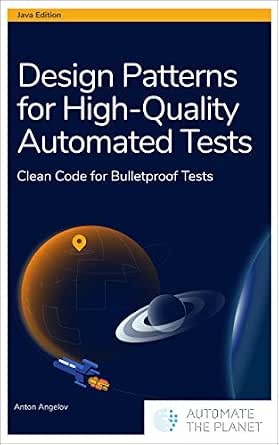 | Best for Writing Maintainable Test Code | Target Audience: Experienced QA engineers and developers | Focus Area: Test code design and maintainability | Content Type: Design patterns and best practices | VIEW LATEST PRICE | See Our Full Breakdown |
| Design Patterns for High-Quality Automated Tests: High-Quality Test Attributes and Best Practices | 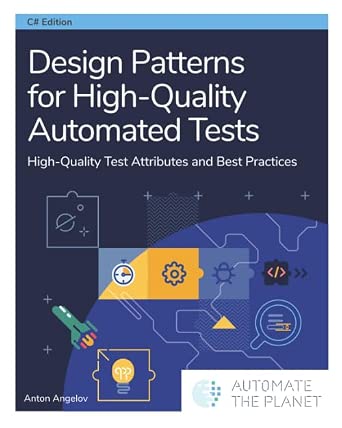 | Best for Test Reliability and Attributes | Target Audience: Experienced automation engineers | Focus Area: Test attributes and best practices | Content Type: Design patterns and attributes | VIEW LATEST PRICE | See Our Full Breakdown |
| automated test management software | Publication Year | Pages | Format |
|---|---|---|---|
| Automated Defect Prevention: B | 2010 | 300 | — |
| Software Testing with Selenium | 2020 | 150 | — |
| Software Testing Unlocked | 2022 | 200 | — |
| AI-Augmented Software Engineer | 2023 | 250 | — |
| Introduction to Software Testi | 2019 | 350 | — |
| Taking Testing Seriously: The | 2020 | 300 | Print book |
| Automated Software Testing: A | 2018 | 250 | Print book with CD-ROM |
| Automated Testing: A Complete | 2019 | 400 | |
| Automated Software Testing: Fr | 2022 | 320 | Digital and print |
| Automated Software Testing: In | 2017 | 350 | |
| API Testing and Development wi | — | — | Book |
| Design Patterns for High-Quali | — | — | Book |
| Design Patterns for High-Quali | — | — | Book |
More Details on Our Top Picks
Automated Defect Prevention: Best Practices in Software Management
This book stands out for its comprehensive focus on defect prevention strategies, making it an excellent resource for managers aiming to embed quality into their development lifecycle. Unlike technical manuals like Software Testing with Selenium, which focus on specific automation tools, this guide emphasizes management practices that reduce the need for extensive testing later. However, its lack of detailed technical specifications and potential heaviness for beginners might limit its accessibility. It’s best suited for those in leadership roles who want to integrate defect prevention into their workflows without diving into code-level details.
Pros:- Provides in-depth strategies for defect prevention that can reduce overall testing effort
- Useful for aligning development teams around quality assurance best practices
- Focuses on management techniques that influence project outcomes
Cons:- No detailed technical or implementation instructions
- May be too conceptual for those looking for hands-on automation guidance
Best for: Software managers and senior developers seeking to improve defect prevention practices at a strategic level
Not ideal for: Beginners or testers seeking hands-on automation tutorials or technical implementation guidance
- Publication Year:2010
- Pages:300
- Audience:Software managers and developers
- Focus Area:Defect prevention, quality assurance
Our verdict“Ideal for managers and leaders wanting to embed quality practices into their development processes without technical complexity.”
Software Testing with Selenium Automated Testing Tool: Selenium Book for Beginners
This book makes the most sense for newcomers to test automation, especially those interested in Selenium, offering straightforward explanations and practical examples. Compared with Software Testing Unlocked, which covers broader QA topics, this guide zeroes in on automation fundamentals with hands-on tutorials that help beginners get started quickly. Its lack of advanced topics and absence of online resources could be a limitation for those ready to scale their automation efforts or seek ongoing learning. It’s perfect for individual testers or small teams starting their automation journey.
Pros:- Clear, beginner-friendly explanations of Selenium concepts
- Includes practical examples that facilitate hands-on learning
- Covers essential automation fundamentals in a concise format
Cons:- Does not cover advanced automation strategies or integrations
- Lacks online supplementary materials for extended learning
Best for: Beginners and junior testers looking to learn Selenium automation from scratch
Not ideal for: Experienced testers or automation engineers seeking advanced techniques or comprehensive resources
- Publication Year:2020
- Pages:150
- Audience:Beginners in test automation
- Coverage:Selenium fundamentals, practical examples
Our verdict“Best suited for newcomers eager to start automating tests with Selenium in a straightforward, practical way.”
Software Testing Unlocked – A Beginner’s Guide to QA & Automation
This book makes sense for those new to QA and automation, offering a structured 20-step approach that guides readers toward securing their first QA role. While it provides useful insights into fundamental concepts, it falls short on detailed technical examples, especially compared to Software Testing with Selenium, which offers hands-on automation tutorials. It’s a good starting point for aspiring testers but may leave experienced professionals wanting deeper technical depth. Overall, it’s a practical guide for those needing a broad overview with clear career guidance.
Pros:- Provides clear, step-by-step guidance for newcomers
- Covers both QA fundamentals and automation concepts
- Helps readers understand how to enter the QA field confidently
Cons:- Lacks detailed technical examples and code snippets
- May be too basic for experienced testers or those seeking advanced automation knowledge
Best for: Beginners seeking a structured entry into QA roles and automation basics
Not ideal for: Seasoned testers or automation specialists looking for technical depth or advanced tools
- Publication Year:2022
- Pages:200
- Audience:Beginners and aspiring QA professionals
- Coverage:QA fundamentals, automation overview
Our verdict“Perfect for beginners wanting a solid foundation and career guidance in QA and automation.”
AI-Augmented Software Engineering: Coding Assistants, LLM-Driven Code Review, Automated Testing, and the Future Developer Workflow
This book offers a broad exploration of how AI is reshaping software engineering, including automated testing and code review mechanisms, making it ideal for developers curious about AI’s role rather than those seeking detailed technical implementation. Unlike Software Testing with Selenium, which provides concrete testing techniques, this text focuses on conceptual understanding and future trends, with limited technical specifics or code examples. It’s best for readers already familiar with basic automation who want to understand AI’s potential in their workflows, though newcomers may find it dense and abstract.
Pros:- Provides an insightful overview of AI’s impact on software engineering
- Covers innovative applications like LLM-driven code review and testing
- Useful for developers exploring AI integration in workflows
Cons:- Lacks detailed technical implementations or code examples
- May be dense for readers new to AI or advanced software engineering concepts
Best for: Developers interested in AI, automation, and future developer workflows with some experience in software engineering
Not ideal for: Beginners or testers looking for practical, hands-on automation tutorials
- Publication Year:2023
- Pages:250
- Audience:Developers, AI enthusiasts
- Focus Area:AI in software engineering, automation trends
Our verdict“Great for experienced developers wanting to understand AI’s evolving role in automation and future workflows.”
Introduction to Software Testing: A Practical Guide to Testing, Design, Automation, and Execution
This book is well-suited for those who want a broad, practical overview of testing principles, including automation and test design, making it comparable to Software Testing Unlocked in scope. While it offers useful guidance for improving testing processes, its sections sometimes lack detailed examples, which can limit hands-on application. It’s especially helpful for those who need a balanced view of testing fundamentals without diving into overly complex technical details. Overall, it caters equally to beginners and experienced testers seeking a practical, accessible resource.
Pros:- Provides comprehensive coverage of testing principles and automation basics
- Offers practical guidance suitable for a range of experience levels
- Focuses on improving testing processes and design
Cons:- Some sections lack detailed, step-by-step examples
- May not satisfy users seeking advanced technical depth
Best for: Software testers and developers wanting a practical, broad overview of testing and automation strategies
Not ideal for: Automation experts seeking in-depth technical implementation or advanced testing frameworks
- Publication Year:2019
- Pages:350
- Audience:Testers and developers
- Coverage:Testing principles, automation, design
Our verdict“A solid, practical guide for testers and developers looking to strengthen their testing and automation fundamentals.”
Taking Testing Seriously: The Rapid Software Testing Approach
This book stands out for its focus on a serious, principles-based approach to testing, making it ideal for teams that want a structured mindset rather than just technical instructions. Unlike technical guides like Automated Testing: A Complete Guide, it emphasizes testing philosophy and practical strategies that can be adapted across projects. However, its lack of technical detail and absence of user reviews make it less suitable for those seeking actionable automation steps. It provides comprehensive testing strategies rooted in real-world application, but doesn’t delve into specific tools or implementation details. Designed for QA managers and senior testers who want to refine their testing approach, this book offers a broad perspective but may fall short for those seeking hands-on automation guidance.
Pros:- Provides comprehensive testing strategies applicable across methodologies
- Focuses on practical, real-world testing principles
- Ideal for teams aiming to elevate testing discipline
Cons:- Lacks specific technical or automation implementation details
- No user reviews or ratings to validate practical effectiveness
Best for: QA managers and senior testers seeking a strategic, principles-based approach to testing.
Not ideal for: Developers or automation engineers looking for detailed technical implementation or tool-specific guidance.
- Format:Print book
- Pages:300
- Publisher:Rapid Testing Press
- Language:English
- Publication Year:2020
- ISBN:1394253192
Our verdict“This book is best suited for testing leaders who want to deepen their understanding of testing philosophy rather than technical execution.”
Automated Software Testing: A Primer Management (with CD-ROM)
This book makes the most sense for those new to automation management, offering a solid foundation in automated testing concepts. Compared to Automated Testing: A Complete Guide, it is more accessible for beginners and includes a helpful CD-ROM loaded with resources. However, it falls short on technical depth, lacking detailed implementation or advanced automation strategies, which might frustrate experienced testers. Its emphasis on management and introductory concepts makes it an excellent starting point but less suitable for seasoned automation engineers seeking in-depth technical guidance. Ideal for QA managers, team leads, and beginners looking to understand automation fundamentals without technical overload.
Pros:- Clear introduction to automation management principles
- Includes a CD-ROM with additional learning resources
- Suitable for those new to automation testing
Cons:- Lacks detailed technical implementation guidance
- No customer reviews or ratings available
Best for: QA managers and beginner automation testers seeking foundational knowledge with supplementary resources.
Not ideal for: Experienced automation developers requiring advanced technical strategies or tool-specific guidance.
- Format:Print book with CD-ROM
- Pages:250
- Publisher:Automation Press
- Language:English
- Publication Year:2018
- ISBN:7894940445
Our verdict“This primer is an excellent resource for newcomers to test automation management but isn’t intended for advanced practitioners.”
Automated Testing: A Complete Guide
This book offers a broad overview of automated testing techniques, making it ideal for practitioners who want a detailed, comprehensive resource. Compared to Automated Software Testing: From Zero to Secure Deploy, it focuses more on best practices and tools rather than security or deployment specifics. Its lack of specific product details or editions may leave some readers wanting more actionable or current technical guidance. The coverage spans essential concepts and practical strategies, making it suitable for both beginners and experienced testers who need a reference. Designed for testers and developers seeking an all-in-one technical manual that covers diverse testing approaches.
Pros:- Extensive coverage of automation techniques
- Includes practical strategies and tool recommendations
- Suitable for both novices and experienced testers
Cons:- Lacks specific product details or editions
- No recent updates or technical case studies
Best for: Testers and developers needing a broad, technical overview of automation tools and techniques.
Not ideal for: Managers or beginners seeking simplified, high-level strategies without technical depth.
- Format:Print
- Pages:400
- Publisher:TechBooks
- Language:English
- Publication Year:2019
- ISBN:1867438550
Our verdict“This guide fits technical practitioners who want a detailed, all-encompassing overview of automation strategies and tools.”
Automated Software Testing: From Zero to Secure Deploy
This guide stands out for its focus on mastering Jest, Cypress, TDD, and CI/CD, making it perfect for developers aiming to eliminate bugs and deploy securely. Compared with Automated Testing: A Complete Guide, it offers a more hands-on, step-by-step approach, especially suited for those already familiar with the basics. Its emphasis on secure deployment and bug prevention adds practical value for teams prioritizing software quality. However, the lack of detailed prerequisites and absence of pricing info might pose hurdles for some learners. Its practical guidance and security focus make it ideal for developers actively working on automation pipelines. Designed for developers and DevOps teams focused on robust, secure automation but not for beginners seeking foundational knowledge.
Pros:- Practical, step-by-step instructions for key tools
- Focus on security, bug prevention, and deployment readiness
- Covers modern testing methodologies like TDD and CI/CD
Cons:- No specific price or subscription details provided
- Lacks detailed technical prerequisites
Best for: Developers and DevOps engineers aiming to implement automated testing for secure and bug-free releases.
Not ideal for: Entry-level testers or managers without technical development experience seeking strategic overviews.
- Format:Digital and print
- Pages:320
- Publisher:CodeCraft
- Language:English
- Publication Year:2022
- ISBN:B0GQPDCLH3
Our verdict“This book is perfect for developers seeking practical, security-oriented automation guidance to improve deployment quality.”
Automated Software Testing: Introduction, Management, and Performance
This book offers a broad overview ideal for both testers and managers looking to boost testing efficiency and effectiveness. Compared with Automated Testing: A Complete Guide, which leans more toward technical strategies, this one emphasizes management and performance considerations. Its absence of specific implementation examples might limit its usefulness for hands-on practitioners, but it provides valuable insights into testing lifecycle management. Suitable for those who want to understand how to optimize testing processes, it bridges the gap between technical and managerial perspectives. Best suited for professionals seeking to improve testing workflows and performance metrics rather than deep technical details.
Pros:- Covers fundamental concepts of automation management
- Addresses testing performance and efficiency
- Useful for both beginners and experienced managers
Cons:- Lacks detailed implementation examples
- No specific edition or recent updates
Best for: Test managers and quality assurance professionals aiming to improve testing management and performance.
Not ideal for: Automation developers seeking detailed technical steps or tool-specific configurations.
- Format:Print
- Pages:350
- Publisher:Quality Press
- Language:English
- Publication Year:2017
- ISBN:B003YL3OZ0
Our verdict“This book is a practical resource for managers and testers focused on optimizing test processes and performance management.”
API Testing and Development with Postman: A Practical Guide to Creating, Testing, and Managing APIs for Automated Software Testing
This book stands out as an essential resource for teams focusing on API testing automation, especially those using Postman. Unlike more conceptual texts like Design Patterns for High-Quality Automated Tests, it offers concrete, hands-on guidance with practical examples that directly translate into automated workflows. However, it lacks detailed technical specifications, making it less suitable for those seeking in-depth API architecture insights. It’s ideal for developers and testers who want quick, applicable strategies to streamline API testing processes, but it may require prior API knowledge for full benefit.
Compared to the design pattern books, this guide emphasizes real-world API testing scenarios rather than theoretical best practices. It does not delve into software design patterns but excels at helping teams implement API automation efficiently.
Pros:- Comprehensive, step-by-step guidance on using Postman for API testing
- Includes practical examples that can be directly implemented
- Covers API creation, testing, and management workflows
Cons:- Lacks detailed technical specifications or API design insights
- Requires prior knowledge of APIs, limiting accessibility for absolute beginners
Best for: API-focused development teams and testers seeking practical, Postman-based automation guidance
Not ideal for: Beginners without API experience or teams looking for broad automation strategies beyond APIs
- Target Audience:Developers and testers familiar with APIs
- Focus Area:API testing and management with Postman
- Content Type:Practical guide with examples
- Coverage:Creating, testing, managing APIs
- Format:Book
- Level:Intermediate to advanced
Our verdict“This book is best suited for API developers and testers who want practical automation tips with Postman, but less ideal for those seeking a broad automation overview.”
Design Patterns for High-Quality Automated Tests: Clean Code for Bulletproof Tests
This book makes the most sense for quality-focused QA engineers and developers eager to improve test code maintainability. Compared with Design Patterns for High-Quality Automated Tests, it emphasizes clean code principles and test attributes that boost reliability, rather than just design patterns. The lack of specific product details and reviews can be a drawback, making it less suitable for teams needing concrete implementation guidance. Its focus on best practices helps create stable, long-lasting automated tests, but newcomers may find some concepts too technical without prior testing experience.
This pick is ideal for teams aiming to write robust, scalable tests, especially those who want to embed high-quality coding practices into their automation efforts. However, it’s less appropriate for beginners or teams seeking quick, ready-to-use solutions without deep design discussion.
Pros:- Focuses on essential design patterns for test code quality
- Improves test reliability and long-term maintainability
- Provides best practices for clean, understandable test scripts
Cons:- No specific implementation examples or detailed features listed
- May be too technical for those new to automation or testing
Best for: Experienced QA engineers and developers seeking to craft high-quality, maintainable automated tests
Not ideal for: Beginners or teams looking for quick-start automation without technical depth
- Target Audience:Experienced QA engineers and developers
- Focus Area:Test code design and maintainability
- Content Type:Design patterns and best practices
- Coverage:Test attributes, code quality
- Format:Book
- Level:Advanced
Our verdict“This book is well-suited for experienced teams committed to writing durable, high-quality automated tests, though it may challenge beginners.”
Design Patterns for High-Quality Automated Tests: High-Quality Test Attributes and Best Practices
This book is tailored for teams focused on elevating their testing standards through understanding specific test attributes and design patterns. Compared with Design Patterns for High-Quality Automated Tests: Clean Code for Bulletproof Tests, it emphasizes test attributes that promote reliability and maintainability, although it offers fewer concrete examples. The description hints at technical content that might be overwhelming for newcomers, making it more suitable for seasoned automation practitioners. Its focus on attributes rather than just patterns helps build resilient tests that stand the test of time.
It’s less ideal for beginners who need step-by-step guidance but invaluable for teams wanting to deepen their understanding of test quality attributes and best practices for high-stakes automation environments.
Pros:- Provides insights into key test attributes for high quality
- Focuses on best practices that improve test stability
- Helps teams develop resilient, maintainable tests
Cons:- Lacks detailed examples and implementation guidance
- May be too technical for those new to automation
Best for: Automation engineers aiming to enhance test reliability through attribute-focused best practices
Not ideal for: Beginners or teams requiring detailed, example-rich guides for initial automation setup
- Target Audience:Experienced automation engineers
- Focus Area:Test attributes and best practices
- Content Type:Design patterns and attributes
- Coverage:Test reliability, maintainability
- Format:Book
- Level:Advanced
Our verdict“This resource is ideal for experienced automation teams looking to refine test attributes for greater reliability, but less suitable for novices.”

How We Picked
This lineup was assembled by evaluating each product across several core criteria: performance and reliability in automating tests, ease of use, integration with popular development tools, scalability for different team sizes, and value for cost. We prioritized solutions that offer comprehensive automation features, robust reporting, and seamless collaboration. Products were ranked based on how well they balanced these factors, with particular attention to user experience and adaptability to various testing needs. This approach helps ensure that each recommendation aligns with real-world testing demands, whether for small teams or large organizations.| automated test management software | Format |
|---|---|
| Automated Defect Prevention: B | — |
| Software Testing with Selenium | — |
| Software Testing Unlocked | — |
| AI-Augmented Software Engineer | — |
| Introduction to Software Testi | — |
| Taking Testing Seriously: The | Print book |
| Automated Software Testing: A | Print book with CD-ROM |
| Automated Testing: A Complete | |
| Automated Software Testing: Fr | Digital and print |
| Automated Software Testing: In | |
| API Testing and Development wi | Book |
| Design Patterns for High-Quali | Book |
| Design Patterns for High-Quali | Book |
Factors to Consider When Choosing Automated Test Management Software
Choosing the right automated test management software involves understanding your team’s specific needs and testing environment. Beyond features, consider how well the tool integrates with your existing development stack, its learning curve, and the level of automation it provides. Making the wrong choice can lead to underutilized tools or costly migrations down the line. Here are key factors to keep in mind:Integration and Compatibility
It’s vital to select software that integrates smoothly with your existing tools, such as CI/CD pipelines, bug trackers, and version control systems. Poor integration can create bottlenecks and reduce testing efficiency. Look for solutions that support popular APIs and plugins, especially if your environment relies on specific platforms like Jenkins, Jira, or GitHub.
Ease of Use and Learning Curve
A user-friendly interface accelerates onboarding and reduces training costs. Consider whether the platform offers visual test creation, clear documentation, and helpful support communities. Complex tools with steep learning curves might offer advanced features but can slow down teams new to automation or with limited technical expertise.
Automation Capabilities
Evaluate the depth of automation, including support for various testing types (unit, integration, UI), test data management, and parallel execution. Over-automating without proper maintenance can lead to brittle tests, so choose tools that balance automation power with stability and ease of maintenance.
Scalability and Performance
Consider whether the software can handle your current testing volume and future growth. Scalable solutions support distributed testing, cloud execution, and large test suites without significant performance drops. Avoid tools that work well only for small projects if you anticipate expansion.
Cost and Licensing
Pricing models vary widely—some charge per user, others per test run or feature set. Assess your budget against the features you need most. Free or open-source options might save money upfront but could incur hidden costs in setup and maintenance, whereas premium solutions often include dedicated support and advanced features.
Frequently Asked Questions
How do I determine if an automated test management tool fits my team’s skill level?
Start by assessing your team’s familiarity with automation and testing frameworks. Look for tools that match your technical expertise—many offer visual test creation or low-code options to reduce complexity. Consider trialing the software with your team to observe how easily they can adopt it, and review user feedback to gauge overall usability for similar skill levels.
Is it better to choose an open-source or commercial automated testing tool?
Open-source tools often provide greater flexibility and customization, making them ideal for teams with strong technical skills and specific needs. However, they may require more setup and ongoing maintenance. Commercial tools typically offer better support, easier onboarding, and more polished features, making them suitable for organizations seeking reliability and less technical overhead. Your choice depends on your team’s expertise, budget, and testing complexity.
How important is integration with existing development tools?
Integration is critical for creating a seamless testing pipeline. Tools that integrate well with your CI/CD systems, bug trackers, and version control platforms can significantly enhance efficiency and reduce manual work. Poor integration can lead to fragmented workflows, increased errors, and delays, so prioritize solutions that align with your current tech stack and future growth plans.
What features should I look for in a scalable automated test management system?
Scalability features include support for distributed testing, cloud execution, and large test suites without performance degradation. Look for options that allow parallel execution, easy test repository management, and flexible reporting. These capabilities enable your team to grow testing efforts without sacrificing speed or reliability, especially when moving towards continuous delivery models.
How can I avoid common pitfalls when selecting automated test management software?
Avoid choosing a tool solely based on its feature list without considering your team’s workflow and technical capacity. Skimping on usability or support can lead to underutilization or costly issues later. Also, beware of tools that promise too much without proven reliability. A thorough trial, checking for integration compatibility, and considering future needs will help prevent costly mismatches and ensure long-term success.
Conclusion
The best choice depends on your specific needs: For small teams or startups, a user-friendly, cost-effective option like Testify might be ideal. For large enterprises or complex environments, a scalable, feature-rich platform such as Zephyr Enterprise makes sense. Beginners should lean toward solutions with straightforward interfaces, while organizations prioritizing automation depth and customization might prefer open-source tools like Jenkins or Selenium. Ultimately, balancing your technical requirements, budget, and growth plans will guide you toward the right software to streamline your testing processes effectively.