To contribute to open source, start by choosing a project that interests you and reviewing its licensing to verify compliance. Fork the repository, make your changes in a separate branch, and submit a pull request for reviewers to evaluate. During review, you may receive feedback to improve your code, which is a valuable part of the process. Staying mindful of licensing and best practices helps maintain project quality—continue exploring to learn how to make effective contributions.
Key Takeaways
- Fork the project repository, create a new branch, and make your desired code changes locally.
- Follow the project’s contribution guidelines, including licensing and coding standards.
- Submit a pull request describing your changes clearly for review by maintainers.
- Participate in the code review process, addressing feedback to improve your contribution.
- Understand licensing implications to ensure your contributions comply with project licenses.

Have you ever wondered how you can make a real impact in the tech community? Contributing to open source is a powerful way to do that. It’s not just about adding features or fixing bugs; it’s about collaborating with others and helping improve software that many people rely on. When you’re ready to make your first contribution, the process often starts with understanding how to submit a pull request. A pull request is your way of proposing changes to a project’s codebase, allowing maintainers to review your work before it gets merged. This is where the importance of a thorough code review comes in. During this process, experienced contributors or project maintainers scrutinize your changes, ensuring they align with the project’s standards, don’t introduce new bugs, and follow best practices. It’s an essential step that keeps the project stable and high-quality, so don’t be discouraged if your first review involves some feedback—it’s part of learning and improving.
Before you even start coding, it’s crucial to contemplate licensing considerations. Open source projects are governed by licenses that specify how their code can be used, modified, and redistributed. Some licenses are more permissive, like MIT or Apache, allowing you to freely use and adapt the code with minimal restrictions. Others, like GPL, require that any derivative work also be open source under the same license. When contributing, always check the project’s licensing to ensure your changes comply. This can influence how your contribution is used in the future, especially if you plan to incorporate it into other projects or distribute it widely. Being aware of licensing considerations helps you respect the legal boundaries and ensures that your contributions remain valuable and compliant. Additionally, understanding project licensing can help you navigate potential legal issues and choose suitable open source projects to contribute to.

Labelmaster 2024 Emergency Response Guidebook (ERG) Standard Bound, Full Size, Guide to Help When Responding to Transportation Emergencies Involving Hazardous Materials
New 2024 Version, the Emergency Response Guidebook is updated every 4 years.
As an affiliate, we earn on qualifying purchases.
As an affiliate, we earn on qualifying purchases.
Frequently Asked Questions
How Do I Choose the Right Open Source Project to Contribute To?
To choose the right open source project, focus on your interests and skills to boost your contributor motivation. Look for projects with active communities and clear documentation, making project selection easier. Explore repositories that align with your goals, whether it’s learning new tech or solving real problems. Start small with issues labeled “good first issue” to build confidence and gradually take on bigger challenges as your experience grows.
What Are Common Mistakes Beginners Make When Submitting Pull Requests?
Like a budding chef, you might stumble over common pitfalls when submitting pull requests. You often forget to follow project guidelines, making your submission feel out of place. Submission errors such as unclear explanations, missing tests, or not updating documentation can slow down acceptance. To avoid these mistakes, read the project’s contribution guidelines carefully, review your code thoroughly, and make sure your pull request is clear, concise, and well-documented.
How Can I Improve My Coding Skills for Open Source Contributions?
You can improve your coding skills for open source by actively engaging in pair programming, which helps you learn new techniques and get immediate feedback. Tackling coding challenges regularly sharpens your problem-solving abilities. Additionally, reviewing others’ code and participating in discussions can deepen your understanding. Consistent practice, collaboration, and embracing challenges will boost your confidence and make your contributions more valuable to open source projects.
What Tools Are Recommended for Managing Open Source Projects?
You should use tools like Git for version control and platforms like GitHub or GitLab for project management. These tools help you track changes, collaborate with others, and organize issues or features efficiently. Git allows you to manage different versions of your code seamlessly, while GitHub or GitLab provide a centralized space for discussions, pull requests, and project planning. Together, they streamline your open source contribution process.
How Do I Handle Feedback or Requests for Changes From Maintainers?
Imagine you submit a pull request, and a maintainer offers constructive criticism. You should respond professionally, thanking them for their feedback, and review their suggestions carefully. Use peer review as a learning opportunity, making necessary changes clearly and promptly. If you disagree, politely explain your reasoning. Embracing feedback helps improve your code and shows your commitment to collaboration, making future contributions smoother and more successful.
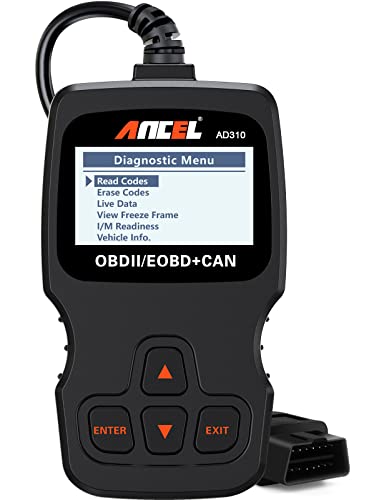
ANCEL AD310 Classic Enhanced Universal OBD II Scanner Car Engine Fault Code Reader CAN Diagnostic Scan Tool, Read and Clear Error Codes for 1996 or Newer OBD2 Protocol Vehicle (Black)
CEL Doctor: The ANCEL AD310 is one of the best-selling OBD II scanners on the market and is…
As an affiliate, we earn on qualifying purchases.
As an affiliate, we earn on qualifying purchases.
Conclusion
Now that you’ve made your first pull request, you’re holding a key to a vast open-source garden. Every contribution is a seed you plant—nurturing growth, fostering community, and creating something lasting. Remember, your efforts ripple outward, inspiring others to join and flourish. With each line of code, you’re not just fixing bugs or adding features; you’re shaping a future where collaboration blossoms. Keep nurturing that seed—your journey in open source has only just begun.

Software License Compliance A Complete Guide – 2019 Edition
As an affiliate, we earn on qualifying purchases.
As an affiliate, we earn on qualifying purchases.

Git & GitHub Visual Guide: The Hands-On Manual for Complete Beginners to Master Version Control and Remote Coding Collaboration (Digital Skill Development Series by D-Libro (2025))
As an affiliate, we earn on qualifying purchases.
As an affiliate, we earn on qualifying purchases.