

The internet works by using protocols that govern how your device communicates with servers and other devices. When you send a request, data is broken into packets with routing info, traveling through networks via routers and switches. TCP/IP layers manage packet creation, delivery, and reassembly, ensuring data arrives reliably and securely. Understanding these processes helps you build better systems—if you stay curious, you’ll discover more about how this intricate system keeps everything connected seamlessly.
Key Takeaways
- Understand how network protocols like HTTP and HTTPS facilitate secure and efficient data exchange between devices and servers.
- Learn the layered architecture (TCP/IP model) that manages data packet creation, routing, and delivery across networks.
- Recognize the role of IP addressing and routing in directing data packets to their correct destination.
- Grasp how data is broken into packets, transmitted, and reassembled by servers and devices for seamless content delivery.
- Appreciate the importance of protocols in ensuring reliable, fast, and secure online communication essential for web development.

Have you ever wondered how you can instantly access websites, stream videos, or send messages across the globe? The secret lies in a complex system of interconnected processes that happen in the blink of an eye. At the core of this system are network protocols, which are a set of rules that govern how devices communicate and exchange data. These protocols ensure that data transmission happens smoothly, securely, and efficiently, regardless of where you’re connecting from or what device you’re using. When you type a URL or click a link, your device initiates a request following specific network protocols like HTTP or HTTPS. These protocols tell your device how to package your request, send it over the internet, and how the server should interpret and respond to it. Think of them as the traffic laws of the digital world, directing data packets to reach their destination without collisions or confusion.
Once your request is sent, data transmission kicks into gear. Data transmission involves converting your message or request into small chunks called packets, which travel through various networks until they reach the target server. These packets contain not only the core data but also essential routing information, like addresses and sequencing details, so they arrive in the correct order. The process is incredibly fast and reliable thanks to the layered architecture of network protocols, like the TCP/IP model. TCP (Transmission Control Protocol) manages the creation, delivery, and acknowledgment of data packets, ensuring everything arrives intact. IP (Internet Protocol), on the other hand, handles the addressing and routing of these packets across different networks. This collaboration allows your data to hop from one network node to another, passing through routers and switches, until it reaches its destination server. Additionally, the use of error-checking mechanisms within these protocols helps detect and correct any data corruption during transmission, maintaining data integrity.
When the server receives your request, it processes it and sends back a response in the same way—packets of data traveling back through the network. The server’s response might be a webpage, a video stream, or a message, depending on your initial request. Your device then reassembles these packets into a coherent, readable format, displaying the webpage or stream seamlessly. This entire cycle—request, transmission, response—happens in a fraction of a second, thanks to the efficiency of network protocols and data transmission methods. Understanding these foundational elements reveals how the internet works behind the scenes, enabling the instant connectivity you often take for granted. If you want to become a developer or build on this infrastructure, mastering network protocols and data transmission principles is essential, as they form the backbone of all online communication.

Wireshark & Ethereal Network Protocol Analyzer Toolkit
Used Book in Good Condition
As an affiliate, we earn on qualifying purchases.
As an affiliate, we earn on qualifying purchases.
Frequently Asked Questions
How Do DNS Servers Translate Domain Names Into IP Addresses?
When you enter a domain name, DNS servers perform domain resolution by consulting the DNS hierarchy. Your computer first checks local DNS cache, then contacts recursive DNS servers, which query root servers, TLD servers, and authoritative servers to find the correct IP address. This process efficiently translates domain names into IP addresses, enabling your device to connect to websites seamlessly.
What Role Do Cookies Play in Web Browsing?
Did you know that over 70% of websites use cookies? Cookies store small data files on your device, playing a key role in web browsing by enabling user tracking and personalized experiences. They help websites remember your preferences and login details. When you visit, cookies are stored, allowing sites to recognize you later. Without cookies, your browsing experience would be less seamless, making user tracking and customization much harder.
How Is Data Encrypted During Transmission Over the Internet?
When you transmit data over the internet, encryption algorithms scramble it so others can’t read it. You use key exchange protocols to securely share encryption keys between your device and the server. This process guarantees your information stays private during transmission. As a developer, understanding how encryption algorithms and key exchange protocols work helps you build secure applications that protect user data effectively.
What Is the Difference Between HTTP and HTTPS?
You notice the difference between HTTP and HTTPS in the URL structure—HTTPS includes a padlock icon, indicating a secure connection. HTTPS uses SSL certificates to encrypt data during transmission, protecting your information from eavesdroppers. This encryption guarantees data integrity and privacy, making HTTPS essential for secure transactions. In contrast, HTTP lacks this encryption, so data sent over it can be intercepted or tampered with, risking your sensitive information.
How Do Load Balancers Distribute Traffic Across Servers?
Imagine your website suddenly becomes popular, and load balancers step in to save the day. They use server clustering and traffic routing to evenly distribute incoming traffic across multiple servers. This way, no single server gets overwhelmed, ensuring smooth performance. You benefit from faster load times and reliability, as the load balancer intelligently directs requests, keeping your site running seamlessly even during traffic surges.

TP-Link AXE5400 Tri-Band WiFi 6E Router (Archer AXE75), 2025 PCMag Editors' Choice, Gigabit Internet for Gaming & Streaming, New 6GHz Band, 160MHz, OneMesh, Quad-Core CPU, VPN & WPA3 Security
Tri-Band WiFi 6E Router – Up to 5400 Mbps WiFi for faster browsing, streaming, gaming and downloading, all…
As an affiliate, we earn on qualifying purchases.
As an affiliate, we earn on qualifying purchases.
Conclusion
Now that you understand how the internet works, you’re like a navigator steering through a vast digital ocean. Every click, request, and response is a wave guiding you closer to your destination. With this knowledge, you can build better websites, troubleshoot issues, and innovate confidently. Just remember, the internet is a living, breathing system—like a busy city that never sleeps. Keep exploring, and you’ll keep mastering this incredible interconnected world.
![Snowkids Cat 8 Ethernet Cable 15 FT, High Speed [Ethernet Internet LAN Network] Braided Cord, 40Gbps 2000Mhz Supports Cat7 Cat6 Cat5e Cat5, Flat Heavy Duty Patch Cord RJ45 Connector for Gaming, Router](https://m.media-amazon.com/images/I/41fDPDJux4L._SL500_.jpg)
Snowkids Cat 8 Ethernet Cable 15 FT, High Speed [Ethernet Internet LAN Network] Braided Cord, 40Gbps 2000Mhz Supports Cat7 Cat6 Cat5e Cat5, Flat Heavy Duty Patch Cord RJ45 Connector for Gaming, Router
⚡ 40Gbps 2000MHz Shielded Ethernet Cable High Speed CAT 8: Supports up to 40 Gbps data transmission (4x…
As an affiliate, we earn on qualifying purchases.
As an affiliate, we earn on qualifying purchases.
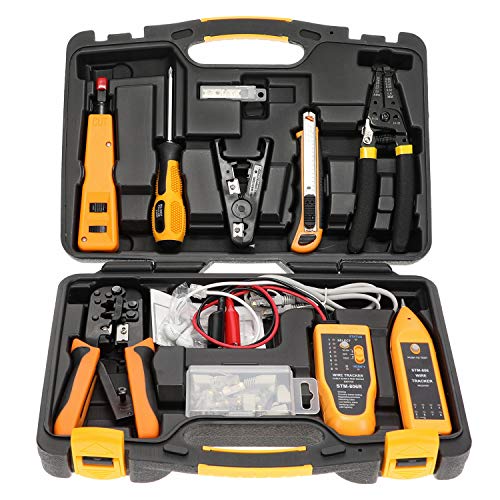
InstallerParts Professional Network Tool Kit 15 In 1 – RJ45 Crimper Tool Cat 5 Cat6 Cable Tester, Gauge Wire Stripper Cutting Twisting Tool, Ethernet Punch Down Tool, Screwdriver, Knife
Lightweight Hard Case : The tools are conveniently secured in place in a lightweight yet durable, high-quality portable…
As an affiliate, we earn on qualifying purchases.
As an affiliate, we earn on qualifying purchases.