
TL;DR
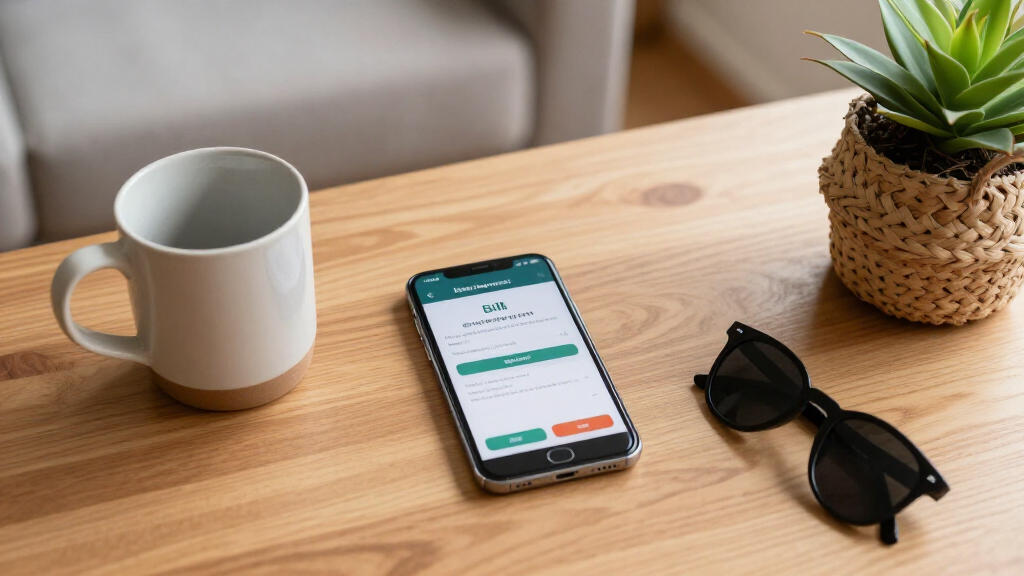
WhatsApp has launched a bill payment feature in India, allowing users to pay household bills directly within the app. This development aims to simplify everyday transactions and expand digital payments. The feature’s rollout is confirmed, but implementation details remain under wraps.
WhatsApp has launched a new bill payment feature in India, allowing users to pay their everyday household bills directly through the messaging app. This move is part of WhatsApp’s broader effort to expand digital financial services in India, where a large population still relies on cash transactions. The feature is confirmed to be available in select regions and is expected to gradually expand nationwide, offering a new level of convenience for millions of users.
The new bill payment service in India enables WhatsApp users to settle utility bills, telecom charges, and other household expenses without leaving the app. The feature integrates with the National Payments Corporation of India (NPCI) infrastructure, leveraging the Unified Payments Interface (UPI), which is widely used across the country. The rollout was announced by WhatsApp in a recent update, with initial availability in certain regions and plans for broader deployment.
According to sources familiar with the development, the feature allows users to link their bank accounts securely within WhatsApp, enabling seamless bill payments. The initiative is part of WhatsApp’s strategy to deepen its financial services offerings, following earlier integrations with UPI for person-to-person transfers and merchant payments. The company has partnered with local banks and payment service providers to facilitate this new service, emphasizing security and ease of use.
Implications for Digital Payments and Consumer Convenience
This development is significant because it represents a major step in integrating everyday financial transactions into one of India’s most popular messaging platforms. By enabling bill payments directly within WhatsApp, the service could reduce reliance on traditional banking channels and physical payment methods. It also aligns with India’s broader push toward digital inclusion, especially in rural and underserved areas, by providing a familiar, accessible interface for managing household expenses.
For consumers, this means greater convenience, reduced transaction times, and fewer steps to pay bills. For the digital payments ecosystem, it could boost transaction volumes and encourage more users to adopt UPI-based payments. The move also signals WhatsApp’s intent to compete more directly with existing digital wallets and mobile banking apps in India.
digital bill payment app for India
As an affiliate, we earn on qualifying purchases.
As an affiliate, we earn on qualifying purchases.
Growing Digital Payment Adoption in India
India has experienced rapid growth in digital payments over the past decade, driven by government initiatives like UPI and demonetization efforts that pushed consumers toward cashless transactions. WhatsApp, with over 400 million users in India, has been a key player in this ecosystem, initially enabling person-to-person transfers and merchant payments. The company’s latest move to facilitate household bill payments builds on this foundation, aiming to further embed digital payments into daily life.
While the feature is confirmed to be rolling out, details about the exact launch timeline, regional availability, and user adoption rates are still emerging. Industry analysts see this as part of a broader trend of messaging apps becoming comprehensive financial platforms, competing with dedicated mobile wallets and banking apps. Prior to this, WhatsApp had tested payment features in India with limited availability, but a full-scale rollout signals a strategic expansion.
As an affiliate, we earn on qualifying purchases.
Details on Full Rollout and User Adoption Still Unclear
While the feature has been announced and is reportedly available in select regions, it is not yet clear when it will be rolled out nationwide or to all users. Information about user registration processes, security measures, and integration with various bank accounts remains limited. Additionally, the extent of user uptake and whether the feature will include all types of household bills are still unknown.
household utility bill payment app
As an affiliate, we earn on qualifying purchases.
As an affiliate, we earn on qualifying purchases.
Expected Expansion and User Engagement Strategies
WhatsApp is likely to expand the availability of the bill payment feature across India in the coming months, possibly with regional-specific adaptations. The company may also introduce promotional campaigns to encourage adoption among different demographic groups. Monitoring user feedback and transaction data will be crucial in refining the service and ensuring security and usability. Regulatory updates and partnerships with more banks could further facilitate a broader rollout.
As an affiliate, we earn on qualifying purchases.
Key Questions
How can I access the new bill payment feature on WhatsApp?
Currently, the feature is available in select regions. Users should update their WhatsApp app to the latest version and look for the bill payment option within the chat menu or payments section. Details about activation and linking bank accounts will be provided during the setup process.
What types of bills can I pay through WhatsApp?
Initially, the service is expected to support utility bills, telecom charges, and other household expenses. The full list of supported billers and categories will be clarified as the rollout progresses.
Is my bank account information secure with WhatsApp payments?
Yes, WhatsApp states that it uses bank-grade security measures, including encryption and secure authentication, to protect user data. However, users should remain cautious and ensure they are using official app versions and secure networks.
Will this feature replace traditional bill payment methods?
It is unlikely to replace all traditional methods immediately but aims to complement existing options by providing a more convenient, integrated solution for everyday household bills.
When will the service be available nationwide?
There is no confirmed timeline yet. The company has indicated a phased rollout, with broader availability expected in the coming months. Updates will be communicated through official channels.
Source: rss



![A Walkable ASCII Cyberpunk City In One HTML File [Video]](https://coderfacts.com/wp-content/uploads/2026/09/a-walkable-ascii-cyberpunk-city-in-one-html-file-video-featured-560x300.jpg)