Implementing edge computing in retail stores helps you process data locally for faster insights, improving inventory management and customer experiences. It allows you to monitor stock levels instantly, reduce both stockouts and overstocking, and support personalized offers in real time. This setup ensures smooth operations even during internet outages, enhances responsiveness, and integrates robotics for tasks like stock replenishment. Keep exploring to discover how these innovations can make your retail environment more efficient and customer-friendly.
Key Takeaways
- Demonstrates how edge computing enables real-time inventory management, reducing stockouts and overstocking through local data processing.
- Highlights improvements in customer experience with faster checkout, personalized offers, and targeted digital displays.
- Shows operational continuity during high traffic and connectivity issues by processing data locally.
- Illustrates integration of robotics and automation for efficient stock replenishment and customer support.
- Emphasizes strategic benefits like faster insights, increased sales, and retail innovation positioning.
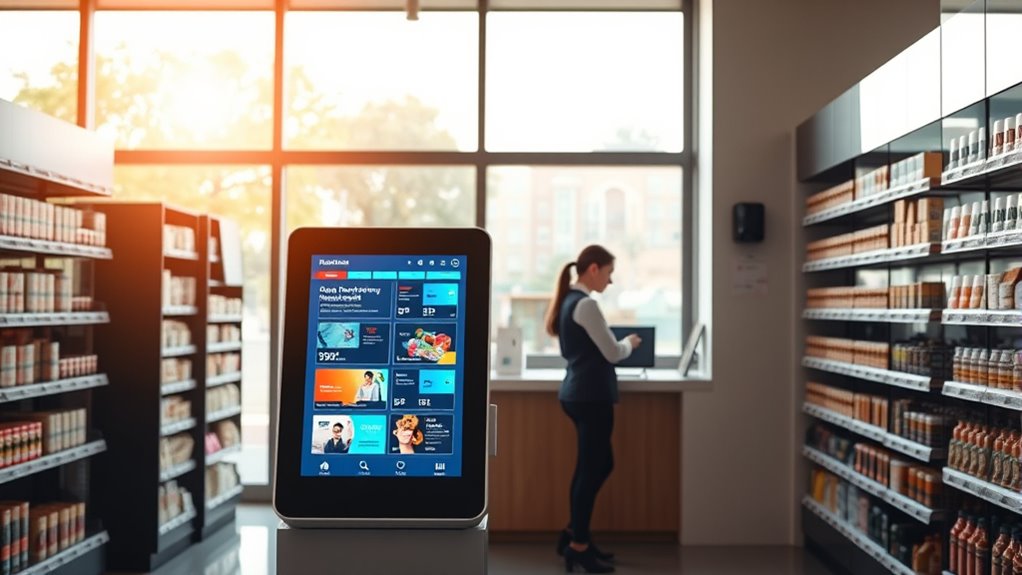
Edge computing is transforming the retail industry by enabling stores to process data locally, closer to where transactions and customer interactions occur. This shift allows you to gain real-time insights into inventory management, ensuring that shelves are stocked appropriately and reducing the risk of stockouts or overstocking. When data is handled on-site, you can quickly identify which products are popular, monitor inventory levels instantly, and make immediate adjustments to meet customer demand. As a result, your store becomes more responsive, and your inventory management becomes more accurate and efficient. Customers notice this too — they experience fewer out-of-stock situations, leading to increased satisfaction and loyalty. Faster inventory updates mean your staff can focus less on manual stock checks and more on engaging with customers, creating a seamless shopping experience.
By processing data locally, you also considerably improve the customer experience. Retail environments with edge computing can offer faster checkout processes, personalized recommendations, and real-time promotions. For example, with instant data analysis, you can tailor offers based on a shopper’s preferences, which encourages more engagement and increases sales. When customers see that your store responds quickly to their needs, they feel valued and understood. Additionally, edge computing enables better management of in-store digital displays, ensuring that advertisements and product information are always relevant and up-to-date. This immediacy not only enhances the shopping experience but also boosts your store’s competitiveness in a crowded market.
Implementing edge computing also enhances your ability to handle high volumes of data without relying solely on cloud connectivity. During busy shopping hours or in areas with limited internet access, your store can continue to operate smoothly, making decisions on inventory adjustments or customer flow management in real-time. This local processing reduces latency, meaning your systems respond instantly to changing conditions, whether it’s replenishing a popular item or adjusting store layout based on customer movement patterns. As a result, you’re better equipped to optimize your operations and deliver a consistently high-quality shopping experience.
Furthermore, the integration of robotics and automation within your store can work synergistically with edge computing to improve operational efficiency and reduce costs. By leveraging robotic automation, you can streamline tasks such as stock replenishment and customer assistance, further enhancing responsiveness and accuracy. This combination of technologies positions your retail operation at the forefront of innovation, allowing you to adapt swiftly to evolving market demands.
In short, by leveraging edge computing, you’re transforming how your retail store manages inventory and interacts with customers. You’ll enjoy quicker insights, more accurate stock control, and a more engaging, personalized shopping environment. These improvements lead to higher customer satisfaction, increased sales, and a more agile, responsive retail operation. As technology continues to evolve, embracing edge computing now positions your store at the forefront of retail innovation, ready to adapt to the fast-changing demands of today’s consumers.

UGREEN NAS DH2300 2-Bay Desktop NASync, Support Capacity 64TB (Diskless), Remote Access, AI Photo Album, Beginner Friendly System, 4GB RAM on Board,1GbE, 4K HDMI, Network Attached Storage(Diskless)
Entry-level NAS Personal Storage:UGREEN NAS DH2300 is your first and best NAS made easy. It is designed for...
As an affiliate, we earn on qualifying purchases.
Frequently Asked Questions
How Does Edge Computing Impact Data Privacy in Retail?
Edge computing enhances data privacy in retail by keeping sensitive information closer to the source, which supports data sovereignty. You can guarantee customer data stays within local regulations, reducing risks of breaches. This approach also boosts consumer trust, as customers feel their information is protected and managed responsibly. By processing data locally, you minimize exposure, making your retail operations more secure and compliant with privacy standards.
What Are the Main Challenges Implementing Edge Solutions?
Implementing edge solutions is like building a house on shifting sands—you face challenges like ensuring data security and maintaining network reliability. You must safeguard sensitive customer info from breaches and deal with potential downtime that disrupts local processing. These hurdles require robust security measures and dependable networks, making deployment complex. Without careful planning, your edge infrastructure could crumble under the weight of these obstacles, hampering your retail operations.
How Cost-Effective Is Edge Computing for Small Retailers?
Edge computing can be cost-effective for small retailers, especially when you do a thorough cost analysis upfront. It reduces latency and bandwidth costs, which benefits your operations. Plus, scalability options allow you to start small and expand as needed, preventing unnecessary expenses. While initial setup might seem costly, the long-term savings on data processing and improved customer experiences often make it a smart investment for small retail businesses.
What Future Trends Are Expected in Retail Edge Computing?
Imagine a store where IoT devices seamlessly communicate, transforming chaos into clarity. In the future, retail edge computing will heavily focus on IoT integration and optimizing supply chains. Expect smarter sensors, real-time inventory updates, and faster decision-making at the edge. These trends will enable you to deliver personalized experiences, reduce delays, and streamline operations, making your retail environment more agile, efficient, and ready for rapid technological advancements.
How Does Edge Computing Integrate With Existing Retail Infrastructure?
You integrate edge computing into your retail infrastructure by enhancing your network architecture with localized processing capabilities. IoT integration plays a key role, connecting sensors, cameras, and devices directly to edge nodes for real-time data analysis. This setup minimizes latency, improves decision-making, and complements existing systems, making your retail operations more efficient. You can seamlessly upgrade your infrastructure by deploying edge nodes alongside current IT setups, ensuring smooth integration and ideal performance.
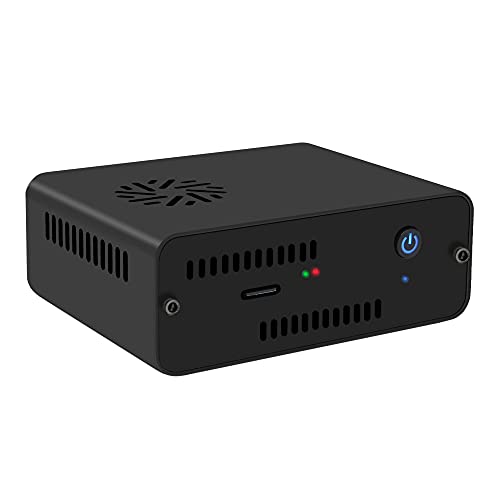
Geekworm NASPi V2.0 2.5 inch SATA HDD/SSD NAS Storage Kit with Safe Shutdown & Auto Power On Function for Raspberry Pi 4 Model B(Not Include Raspberry Pi 4)
Function: Geekworm NASPi offering an easy and fast way to create your home media center and building NAS...
As an affiliate, we earn on qualifying purchases.
Conclusion
By embracing edge computing, you stay ahead in the fast-paced retail world, gaining faster insights and better customer experiences. It’s like the saying goes, “A stitch in time saves nine.” When you process data locally, you prevent delays and seize opportunities instantly. So, take action now—adapting to edge solutions means you’re not just keeping up, but leading the way. Don’t wait for tomorrow; act today for a smarter, more responsive retail future.

QNAP TS-h1290FX-7302P-128G-US 12 Bay U.2 NVMe/SATA All-Flash Desktop NAS Ideal for Office environments, collaborative 4K/8K Video Editing, and File Sharing
AMD EPYC 7232P 8-core/16-thread or EPYC 7302P 16-core/32-thread processor
As an affiliate, we earn on qualifying purchases.
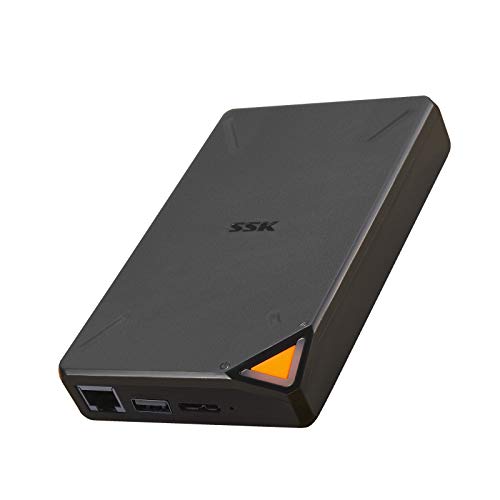
SSK 2TB Portable NAS External Wireless Hard Drive with Own Wi-Fi Hotspot, Personal Cloud Smart Storage Support Auto-Backup, Phone/Tablet PC/Laptop Wireless Remote Access
High speed and large capacity: 2TB storage capacity(HDD), Up to 300Mbps high speed wireless transmission, without geographical restrictions,remote...
As an affiliate, we earn on qualifying purchases.