
TL;DR
Meta is repurposing older RAM modules in its new server hardware, integrated through a custom bridge chip. This approach aims to cut costs and improve resource efficiency in data centers. The development highlights innovative hardware reuse strategies but details on performance impact remain limited.
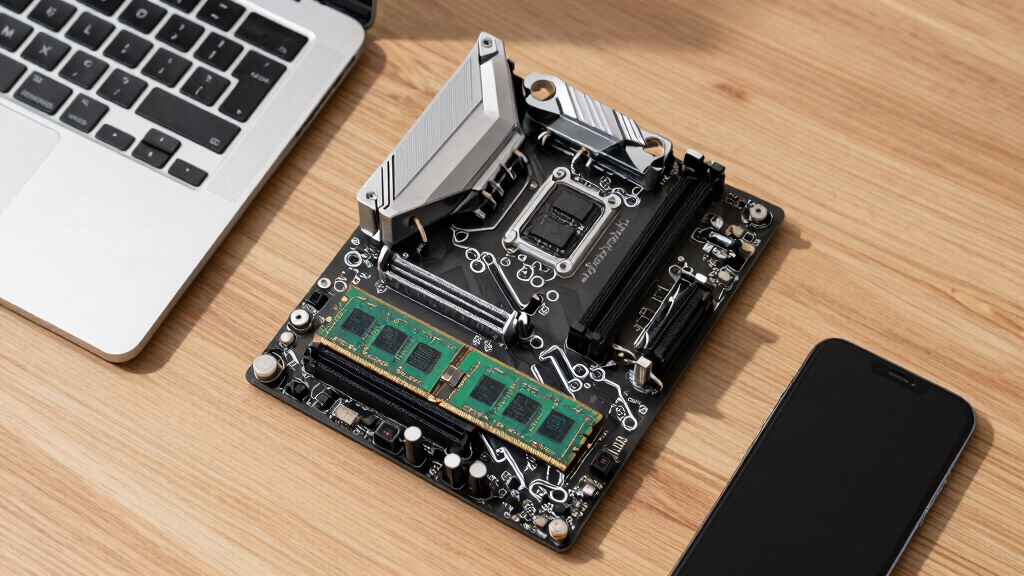
Meta has started integrating older RAM modules into its new server hardware, using a custom bridge chip to facilitate compatibility and performance. This move aims to reduce hardware costs and improve resource efficiency in Meta’s data centers, making it a notable development in large-scale hardware management.
Meta’s latest server designs incorporate recycled RAM modules, which are typically phased out after a few years of use. According to sources familiar with the deployment, the company has developed a custom bridge chip that enables these older modules to function reliably within new server architectures. This approach is part of Meta’s broader effort to optimize hardware utilization and reduce operational costs.
While the exact specifications of the bridge chip remain undisclosed, it is designed to handle compatibility issues related to different RAM generations and to maintain performance standards. The company has not publicly released detailed performance metrics or benchmarks but emphasizes the cost-saving and sustainability benefits of this strategy.
Potential Cost and Sustainability Benefits of Hardware Reuse
This development could significantly impact data center operations by lowering hardware costs and reducing electronic waste. Reusing existing RAM modules with a custom interface suggests a shift toward more sustainable hardware practices among large tech companies. If successful, this could influence industry standards for hardware lifecycle management and resource efficiency.
As an affiliate, we earn on qualifying purchases.
Meta’s Hardware Strategies and Recycling Initiatives
Meta has been investing heavily in expanding and upgrading its data center infrastructure to support its growing services. Traditionally, this involves purchasing new hardware components, including RAM modules. However, recent reports indicate a move toward reusing older RAM modules, driven by both economic pressures and sustainability goals. The custom bridge chip appears to be a key enabler of this strategy, allowing older hardware to be integrated seamlessly into modern server architectures.
This approach aligns with broader industry trends aiming to extend hardware lifecycles and reduce electronic waste, although few companies have publicly adopted such a method at scale. The specific technical details of Meta’s bridge chip and its compatibility scope are still emerging.
“We are committed to optimizing our hardware resources and exploring sustainable solutions that support our infrastructure needs.”
— Meta spokesperson
As an affiliate, we earn on qualifying purchases.
Technical Performance and Scalability of RAM Reuse
Details about the performance impact of reused RAM modules and the long-term reliability of the custom bridge chip remain undisclosed. It is unclear how this approach compares to using new RAM in terms of latency, throughput, and failure rates, and whether it can be scaled across all data center hardware.

A-Tech 128GB Kit (4x32GB) DDR5 5600MHz PC5-44800 ECC UDIMM 2Rx8 (EC4 9×4) Dual Rank 1.1V ECC Unbuffered DIMM 288-Pin Server, Workstation RAM Memory Upgrade Modules
- Compatibility: For select DDR5 servers and workstations only
- Total Capacity: 128GB kit with 4 x 32GB modules
- Module Type: DDR5 ECC unbuffered UDIMM
As an affiliate, we earn on qualifying purchases.
As an affiliate, we earn on qualifying purchases.
Monitoring Deployment and Industry Adoption
Meta is expected to continue deploying servers with the recycled RAM and custom bridge chip in its data centers. Observers will be watching for performance data, potential reliability issues, and the company’s broader adoption of hardware reuse strategies. Further technical disclosures or benchmarks may emerge as the deployment progresses.

Liquid Cooling for Data Centers: Design, Implementation, and Optimization for Sustainable Computing (Data Center books)
As an affiliate, we earn on qualifying purchases.
As an affiliate, we earn on qualifying purchases.
Key Questions
Why is Meta reusing old RAM modules?
Meta aims to reduce hardware costs, extend the lifespan of existing components, and promote sustainability by reusing RAM modules in its data centers.
What is the role of the custom bridge chip?
The custom bridge chip enables compatibility between older RAM modules and new server architectures, handling technical differences to maintain performance and reliability.
Will this affect server performance?
Details are still emerging, but Meta claims the bridge chip maintains performance standards. The actual impact on latency and throughput remains unconfirmed.
Is this approach common in the industry?
No, this is a relatively novel approach; most companies typically replace hardware components entirely. Meta’s strategy could influence future hardware management practices.
What are the environmental benefits?
Reusing RAM modules reduces electronic waste and decreases demand for new hardware production, supporting sustainability initiatives.
Source: hn