
📊 Full opportunity report: The High-End PC And Workstation Tax on ThorstenMeyerAI.com — validation score, market gap, and execution plan.

Get business pricing on monitors, keyboards and dev gear
- Business-only prices and quantity discounts
- Tax-exempt purchasing
- Multiple users, one account, clear invoices
TL;DR
Memory prices have skyrocketed in 2026, doubling costs for high-end PC components. This shift makes DIY building less economical, with prebuilt systems often more affordable. Professionals face shortages and higher prices for workstation memory modules.
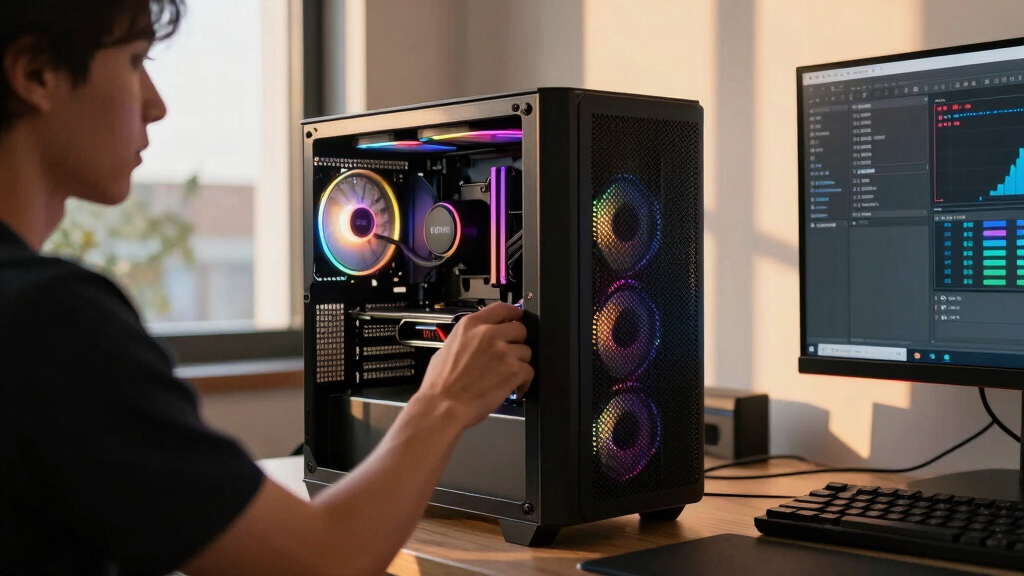
In 2026, memory prices have surged to the point where building a high-end PC or workstation yourself is no longer the most cost-effective option, according to industry sources. This shift is driven by market dynamics that have made memory components, especially high-capacity modules, the most expensive parts in premium systems, impacting both enthusiasts and professionals. Build vs Buy a Prebuilt AI Workstation.
HP reported that memory now accounts for about 35% of a PC’s bill of materials, up from 15-18% in previous years. A typical 32GB DDR5 kit now costs approximately $369, comparable to a high-end GPU, and exceeds the price of the CPU and SSD in many builds. This has caused the overall cost of premium systems to increase by 40-125%, with some builds reaching $4,500.
For DIY builders, the traditional advantage of cost savings has diminished. Market structure favors OEMs, who buy memory in bulk and hedge prices, while individual consumers face spot market volatility. As a result, prebuilt systems sometimes cost less than sourcing parts independently, challenging long-standing DIY principles.
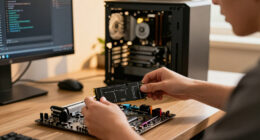
Workstation users face even greater challenges. High-capacity modules like 96GB and 128GB DDR5 RDIMMs are in short supply and see prices potentially doubling by the end of 2026. How to Reduce Heat and Noise in a High-Power AI Workstation. These modules are critical for CAD, data analysis, and AI workloads, and their scarcity and high cost significantly impact professional budgets.
The high-end PC & workstation tax
If you build your own machines or spec your team’s workstations, you’re the most exposed buyer in this market — no hedge, no bulk contract, just a parts cart and a number you used to ignore, now the biggest line on the invoice.
OEMs buy on bulk contracts and hold hedged stock; you pay the spot price on the day. The DIY builder is now the most exposed buyer in the chain — and the prebuilt is sometimes cheaper. Price it before you commit.
96GB & 128GB DDR5 RDIMMs are the scarcest, closest to the server memory makers prioritize. 64GB RDIMM could cost 2× by end-2026 vs early 2025. The parts that define a workstation are the ones squeezed hardest.
The squeeze didn’t just raise prices — it inverted the value system of high-end building. Buy big, buy early, build it yourself: each enthusiast virtue is now a way to overpay. Discipline beats ambition in 2026 — right-size hard, buy deliberately, lean on bundles, treat the prebuilt as a real price check. You can’t avoid the AI tax levied a layer up in the fabs; you can refuse to pay more of it than the job needs. Next: Cloud’s Hidden Memory Bill.
Implications for High-End PC and Workstation Builders
This development fundamentally alters the economics of high-end PC and workstation construction. Enthusiasts and professionals must now adopt new procurement strategies, such as right-sizing component capacity, buying in bundles, and staging upgrades. The traditional wisdom of buying early and building for future expansion is no longer financially sound, as memory prices are volatile and market-driven.
For professionals, the scarcity of high-capacity modules could lead to project delays and increased costs, especially in fields relying on large memory configurations. The shift also pressures the DIY market, as individual buyers face higher prices and less predictable supply chains.
As an affiliate, we earn on qualifying purchases.
Memory Market Trends and 2026 Price Dynamics
Over the past year, memory prices have become increasingly volatile due to supply chain disruptions, high demand from hyperscalers, and market speculation. HP’s recent report highlights that memory’s share of PC costs has nearly doubled within a quarter, reflecting a broader trend of rising component costs across the industry. Historically, memory was a minor cost factor, but 2026 marks a turning point where it dominates the build budget.
Prior to this, DIY builders benefited from abundant, inexpensive memory, but the current market structure favors OEMs with bulk purchasing power and price hedging strategies. This has led to a divergence in cost and availability between OEM systems and individual retail purchases.
“Memory costs have doubled as a percentage of overall system costs in a single quarter, reflecting market volatility.”
— HP investor report
As an affiliate, we earn on qualifying purchases.
Remaining Questions About Market Stability and Long-Term Trends
It is not yet clear how long memory prices will remain elevated or whether market corrections will occur. The extent of supply chain normalization and the impact of new memory manufacturing capacities are still uncertain, leaving professionals and enthusiasts unsure about the timing of future price drops.
As an affiliate, we earn on qualifying purchases.
Expected Procurement Strategies and Market Developments in 2026
Buyers should consider staging upgrades and locking in prices through bundles or reserved quotas. OEMs may continue to offer more competitive prebuilt options, potentially reducing the cost advantage of DIY builds. Monitoring supply chain developments and market signals will be critical for planning future purchases.
Industry analysts anticipate that high-capacity memory modules will remain scarce and expensive through the remainder of 2026, making strategic procurement essential for both individual builders and enterprise users.
professional workstation memory modules
As an affiliate, we earn on qualifying purchases.
As an affiliate, we earn on qualifying purchases.
Key Questions
Why are memory prices rising so sharply in 2026?
Memory prices are rising due to increased demand from hyperscalers, supply chain disruptions, and market speculation, which have reduced supply and increased costs for high-capacity modules.
Does this mean building a high-end PC DIY is no longer worth it?
Not necessarily. While the cost advantage has diminished, building offers control, customization, and repairability. However, buyers should now be more strategic, considering prebuilt options and careful procurement strategies.
Will memory prices come down again?
The future trend is uncertain. Prices may stabilize if supply chain issues resolve and demand normalizes, but current market conditions suggest high prices will persist through 2026.
How should professionals and enthusiasts adapt to this market?
They should consider right-sizing component capacities, buying in bundles, staging upgrades, and monitoring market signals to avoid overpaying and delays caused by shortages.
Source: ThorstenMeyerAI.com
Columbus Day / Indigenous Peoples' Day Picks
long weekend sales
As an affiliate, we earn on qualifying purchases.