
📊 Full opportunity report: Is Watermarking The Future Of AI Legality? Anthropic's New Initiative on ThorstenMeyerAI.com — validation score, market gap, and execution plan.

Get business pricing on monitors, keyboards and dev gear
- Business-only prices and quantity discounts
- Tax-exempt purchasing
- Multiple users, one account, clear invoices
TL;DR
Anthropic has announced plans to add AI watermarks to its generated content to meet EU legal requirements. The specifics of how the watermarks work and their scope are still unclear, and no testing data has been released. For more details, see the original analysis on Tech Xplore.
Anthropic has announced the implementation of AI watermarking measures aimed at ensuring compliance with European Union law. The company’s statement confirms the adoption of a technical approach designed to help regulators and users distinguish AI-generated content from human-created material, but specifics about the technology or deployment timeline have not been disclosed. This move signals a response to increasing regulatory pressure on AI transparency and accountability, as detailed in Anthropic’s watermarks article.
The announcement from Anthropic, reported by Tech Xplore, confirms that the company is developing watermarking measures tied to EU legal requirements. This development is also discussed in the original coverage. However, the company did not specify whether these watermarks will be visible to users, embedded within files, or detected via software tools. Nor was there information on whether the system applies to text, images, audio, or video content. The lack of technical documentation leaves many questions open about how durable, accurate, and effective the watermarking will be in real-world scenarios.
Anthropic’s statement links the watermarking initiative directly to EU regulations, which emphasize transparency and the identification of AI-generated content. Yet, no independent testing, regulator review, or clear implementation timetable was provided. The company also did not clarify whether the watermarks will be limited to European markets or adopted globally. The announcement underscores how regulatory compliance is shaping AI product design, but the technical details and performance metrics remain to be seen.
Impact of Watermarking on AI Content Transparency
This development highlights how regulatory frameworks, especially in the EU, are influencing AI companies to incorporate content identification measures. Watermarking could help platforms, publishers, and regulators better distinguish AI-generated material, supporting moderation, accountability, and legal compliance. However, the effectiveness of such measures depends on their robustness against editing, copying, or format changes. The initiative also raises questions about potential global adoption and the technical standards that will define reliable detection.
As an affiliate, we earn on qualifying purchases.
EU Regulations Drive AI Transparency Efforts
European policymakers have prioritized transparency around synthetic content, advocating for measures such as visible notices, metadata, and provenance records. In this context, AI watermarking emerges as a technical solution aligned with recent EU directives aimed at preventing misinformation and ensuring accountability in AI-generated media. Anthropic’s move follows a broader industry trend where companies are preemptively adopting compliance measures ahead of formal regulatory enforcement. Prior to this, no major AI developer had publicly announced a specific watermarking system tied directly to legal obligations.
“Anthropic has introduced AI watermarks as part of its effort to comply with European Union law.”
— Tech Xplore
As an affiliate, we earn on qualifying purchases.
Technical Details and Effectiveness of Watermarks Unclear
Many critical aspects of Anthropic’s watermarking system remain unknown. It is not yet clear which content types will be covered, whether the watermarks will be visible or embedded, or how they will withstand editing or copying. The absence of technical validation, performance metrics, or independent testing raises questions about reliability. Additionally, it is unclear whether the system will be limited to EU markets or deployed globally, and how regulator oversight will evaluate its effectiveness.
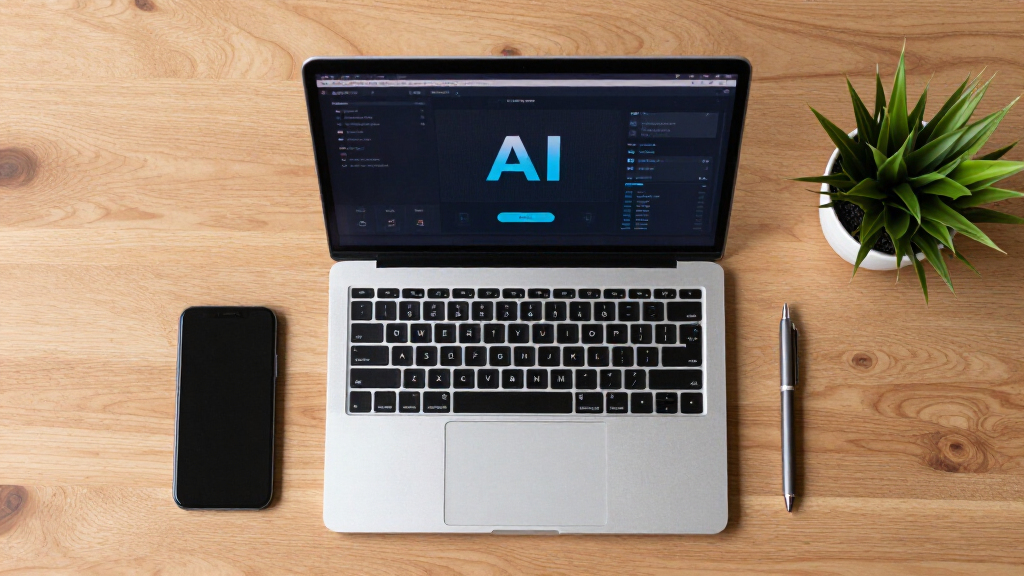
AI-generated content watermarking software
As an affiliate, we earn on qualifying purchases.
As an affiliate, we earn on qualifying purchases.
Awaiting Technical Documentation and Deployment Timeline
The next step for Anthropic is the release of detailed technical documentation explaining how the watermarking system works, its scope, and its detection methods. The company is also expected to clarify the rollout schedule, geographic scope, and error rates. Industry observers and regulators will scrutinize these disclosures to assess whether the watermarking can reliably support compliance and moderation efforts. Further testing and independent validation are anticipated to evaluate the system’s robustness.
As an affiliate, we earn on qualifying purchases.
Key Questions
What exactly is Anthropic implementing to meet EU laws?
Anthropic is developing AI watermarking measures designed to help identify AI-generated content in compliance with European Union regulations. Specific technical details have not yet been disclosed.
Will the watermarks be visible to users?
The announcement does not specify whether the watermarks will be visible or embedded signals requiring detection software. This remains to be clarified in future disclosures.
Which types of content will carry the watermarks?
It is currently unknown whether the system will apply to text, images, audio, video, or all content generated by Anthropic’s models.
How reliable will the watermarking be?
No independent validation, performance data, or error rates have been provided. Its effectiveness in real-world scenarios is still uncertain.
Will this system be used outside Europe?
Anthropic has not specified whether the watermarking will be limited to European markets or deployed globally. Future plans are yet to be announced.
Source: ThorstenMeyerAI.com
Fall Picks
fall essentials
As an affiliate, we earn on qualifying purchases.