
TL;DR

Get business pricing on monitors, keyboards and dev gear
- Business-only prices and quantity discounts
- Tax-exempt purchasing
- Multiple users, one account, clear invoices
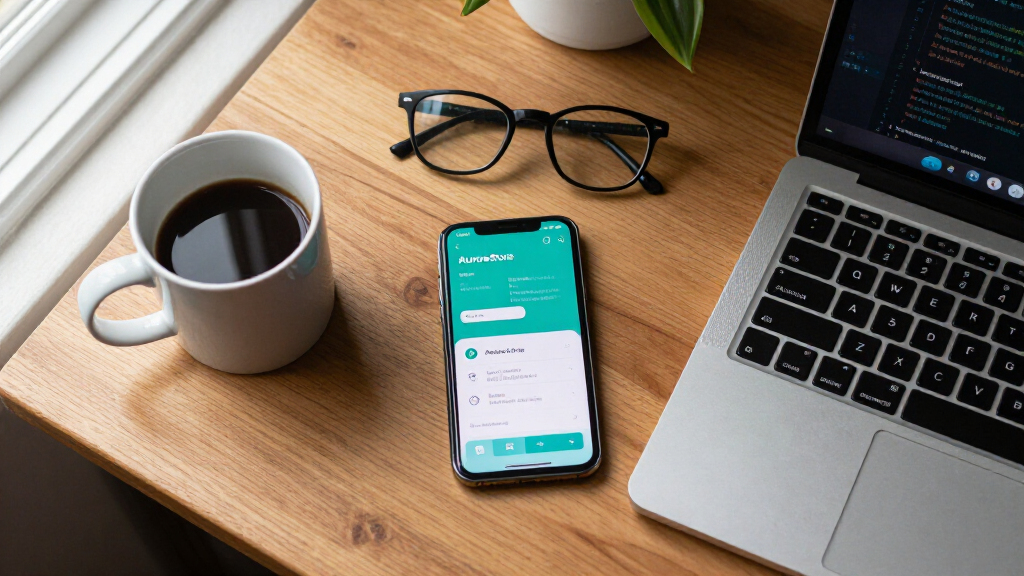
Google Play Store has blocked AuroraStore, a popular third-party app store, disrupting access for GrapheneOS users. The development highlights ongoing tensions around app distribution and privacy. Details about the reasons remain unconfirmed.
The Google Play Store has officially blocked AuroraStore, a popular open-source app store alternative, which has significant implications for users of GrapheneOS, a privacy-focused Android operating system. This move is confirmed and marks a shift in how Google enforces app distribution on its platform, especially affecting users seeking to avoid Google’s ecosystem.
Sources indicate that Google has restricted AuroraStore from accessing the Play Store’s APIs, effectively preventing the app from functioning as it did previously. AuroraStore is widely used by privacy-conscious users and those running GrapheneOS, which does not include Google services by default. The block limits these users’ ability to install or update apps via AuroraStore, forcing many to seek alternative methods.
While Google has not publicly issued a detailed statement, industry analysts suggest that this action may be part of broader efforts to tighten control over app distribution and combat third-party app stores that bypass Google’s official channels. AuroraStore operates by mimicking the Play Store’s API, allowing users to access apps without a Google account, making it popular among privacy advocates and those using custom ROMs like GrapheneOS.
GrapheneOS developers and community members have expressed concern that this move could threaten user freedoms and the principle of open app distribution, especially for those who prioritize privacy and security. The impact is immediate: users report being unable to download or update apps through AuroraStore, which could hinder usability and app availability on GrapheneOS devices.
Impact on Privacy-Focused Android Users
This development underscores the growing tension between Google’s platform control and the rights of users seeking privacy and autonomy over their devices. For GrapheneOS users, who rely heavily on third-party app stores like AuroraStore to access apps without Google’s tracking and data collection, this block could significantly reduce their ability to maintain a Google-free ecosystem.
The move may set a precedent that limits the availability of third-party app stores, impacting the broader community of privacy advocates and developers who prefer open distribution methods. It highlights ongoing concerns about platform monopolization and the potential for app store restrictions to undermine user choice and security.
As an affiliate, we earn on qualifying purchases.
Google’s App Store Policies and Third-Party Stores
Google’s Play Store policies have historically aimed to regulate app distribution to protect users from malicious software. However, these policies have also been used to restrict alternative app stores that operate by mimicking or bypassing official APIs. AuroraStore, which provides access to apps without requiring a Google account, has been popular among users of custom ROMs like GrapheneOS, which avoid Google services altogether.
Over recent years, Google has taken steps to tighten control over app distribution, including removing or blocking apps that violate its policies or operate in ways that circumvent its ecosystem. The recent blocking of AuroraStore appears to be part of this ongoing trend, although the company has not publicly explained its specific reasons for this action.
This development is occurring amid broader debates about platform monopolies, user privacy, and the rights of users to control their devices and app sources. The situation remains fluid, with community members and developers closely monitoring the implications.
As an affiliate, we earn on qualifying purchases.
Unclear Reasons Behind Google’s Action
Google has not publicly explained why it blocked AuroraStore, and the exact motivations remain unconfirmed. It is unclear whether this is a temporary enforcement measure or part of a broader policy shift aimed at curbing third-party app stores.
Additionally, the full scope of the impact on all affected users and whether alternative solutions will emerge is still uncertain. The community is awaiting official statements or further technical details from Google.
open-source app store alternatives
As an affiliate, we earn on qualifying purchases.
As an affiliate, we earn on qualifying purchases.
Next Steps for Users and Developers
Users of GrapheneOS and other privacy-focused platforms will need to explore alternative app installation methods, such as F-Droid or direct APK downloads, until the situation clarifies. Developers and community members are likely to advocate for open-source solutions or push for official responses from Google.
In the coming weeks, further updates from Google or community-led initiatives could emerge, potentially restoring access or developing new workarounds. Monitoring official statements and community forums will be essential for staying informed about the evolving landscape.
As an affiliate, we earn on qualifying purchases.
Key Questions
Why did Google block AuroraStore?
Google has not officially disclosed the reasons, but it is believed to be related to policy enforcement aimed at restricting third-party app stores that mimic the Play Store’s API or bypass official channels.
How does this affect GrapheneOS users?
Many GrapheneOS users rely on AuroraStore to access apps without Google services. The block prevents them from installing or updating apps through AuroraStore, limiting their ability to maintain a Google-free environment.
Are there alternative app sources for affected users?
Yes, users can turn to repositories like F-Droid or download APK files directly from developers, though these methods may involve additional security considerations and are less integrated than AuroraStore.
Is this move permanent?
It is not yet clear whether the block is temporary or part of a longer-term policy shift. Google has not provided a timeline or official explanation, leaving this aspect uncertain.
What are the broader implications for app store control?
This incident highlights ongoing tensions between platform control and user rights, raising questions about the future of third-party app stores and open-source Android ecosystems.
Source: hn
Halloween Picks
halloween
As an affiliate, we earn on qualifying purchases.