To protect users and respond effectively to incidents, you should implement secure logging practices such as encrypting log storage and controlling access with strong authentication. Use role-based permissions and conduct regular audits to prevent unauthorized tampering. Establish clear policies for log retention and monitor logs actively for suspicious activity. Continuous updates to your security measures are essential to stay ahead of threats. Keep exploring these strategies further to strengthen your cybersecurity defenses.

Get business pricing on monitors, keyboards and dev gear
- Business-only prices and quantity discounts
- Tax-exempt purchasing
- Multiple users, one account, clear invoices
Key Takeaways
- Encrypt logs during storage and transmission to safeguard sensitive information from unauthorized access.
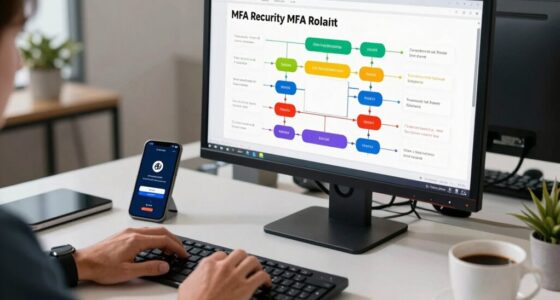
- Implement strict access controls and multi-factor authentication to limit log access to authorized personnel.
- Maintain comprehensive audit trails to verify log integrity and facilitate incident investigations.
- Regularly review logs for unusual activity and set up automated alerts for early breach detection.
- Ensure compliance with regulations and establish clear log retention policies to support accountability and security.

Have you ever considered how indispensable secure logging is to your overall cybersecurity? Logs are the backbone of your security infrastructure, providing a detailed record of activities that can help you detect, investigate, and respond to threats. Without proper safeguards, this sensitive data becomes vulnerable to tampering or unauthorized access, compromising your ability to identify issues promptly. To protect these logs effectively, you need to implement encrypted storage, ensuring that even if someone gains access to the storage medium, they cannot read the data. Encryption transforms your log files into unreadable ciphertext, adding an essential layer of security that maintains confidentiality and integrity. This way, if logs are intercepted or stolen, their contents remain protected, preventing malicious actors from exploiting sensitive information.
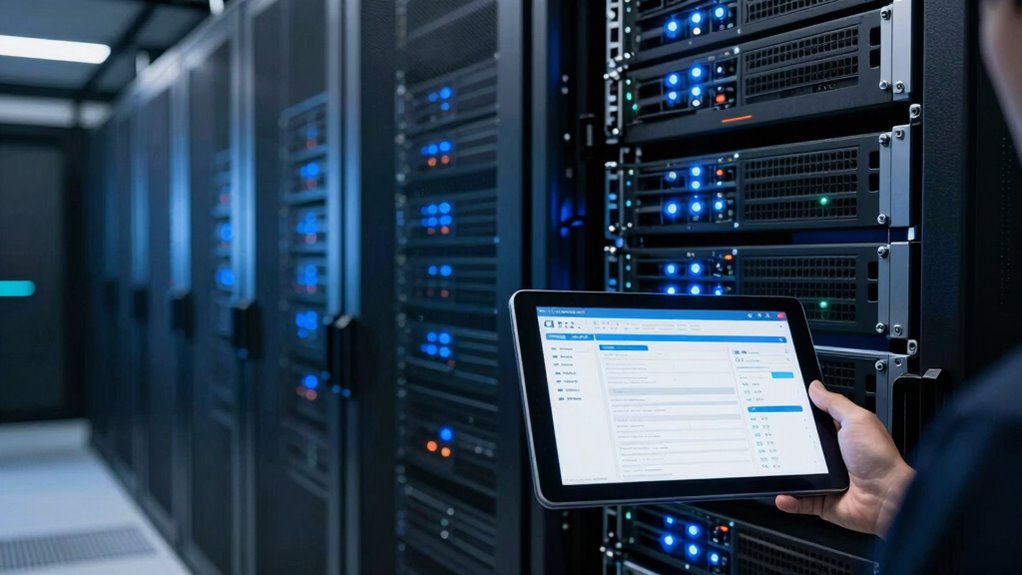
Secure logging with encrypted storage is essential to protect sensitive data and maintain cybersecurity integrity.
Alongside encrypted storage, access controls play a critical role in securing your logs. You must restrict who can view, modify, or delete log data, applying the principle of least privilege. Only authorized personnel should have access to logs relevant to their roles, reducing the risk of insider threats or accidental modifications. Using strong authentication mechanisms, such as multi-factor authentication, further enhances access controls, making it more difficult for unauthorized users to gain entry. Implementing role-based access control (RBAC) allows you to assign permissions precisely, ensuring users only see what they need to perform their duties. This combination of strict access controls and regular audits helps you monitor log activity, quickly identifying suspicious access attempts or anomalies. Additionally, understanding regional regulations and compliance standards is vital to ensure your logging practices meet legal requirements and industry best practices. Incorporating audit trails can further help you verify the integrity of your logs and ensure accountability. Regularly updating your security policies is essential to adapt to new threats and maintain effective protection. Analyzing log data with automated tools can also help identify patterns indicative of security incidents. Moreover, establishing a log retention policy ensures that you keep logs for an appropriate period, balancing security and storage considerations.
You should also establish a thorough logging policy that defines how logs are generated, stored, and reviewed. Regularly reviewing logs for unusual activity helps you catch potential breaches early. Combine this with automated alerts that notify you of suspicious behavior, enabling swift incident response. Remember, securing logs isn’t a one-time task; it requires continuous monitoring and updates to your security measures. Keep your encryption methods current, and review access controls periodically to ensure they still align with best practices. Additionally, storing logs in a centralized, protected environment minimizes the risk of data loss or corruption.
Ultimately, securing your logs with encrypted storage and robust access controls doesn’t just protect sensitive information — it strengthens your overall security posture. By safeguarding this critical data, you’re better equipped to identify threats, respond swiftly, and maintain the trust of your users. Proper log management is an ongoing process that demands vigilance, but the protection it offers makes it an indispensable component of a resilient cybersecurity strategy.
As an affiliate, we earn on qualifying purchases.
Frequently Asked Questions
How Do You Balance Logging Detail With User Privacy?
You balance logging detail with user privacy by minimizing Personally Identifiable Information (PII) and ensuring user anonymity wherever possible. Use data encryption to protect logs from unauthorized access, and only log essential details needed for incident response. Regularly review your logging policies to avoid over-collection, and anonymize data when feasible. This approach helps you maintain security while respecting user privacy, creating a responsible and effective logging system.
What Are Common Mistakes in Secure Logging Implementation?
You might think implementing secure logging is straightforward, but common mistakes include neglecting proper encryption protocols and weak access controls. Without encrypting logs, sensitive data remains vulnerable to breaches. Failing to restrict access allows unauthorized users to tamper with logs or extract private info. To avoid these pitfalls, ensure logs are encrypted and access controls are strict, limiting who can view or modify logs—these steps are vital for protecting user data and maintaining trust.
How Often Should Log Files Be Reviewed for Security?
You should review log files regularly, ideally daily or weekly, depending on your organization’s risk level. Consistently check logs for unusual activity, guaranteeing log retention policies are followed and access controls restrict who can view sensitive logs. Frequent reviews help detect incidents early, while proper log retention ensures critical data isn’t lost. Implementing strict access controls prevents unauthorized users from tampering with logs, maintaining their integrity and usefulness for security investigations.
Can Secure Logs Be Shared With Third Parties?
You should be cautious about sharing secure logs with third parties, as 62% of data breaches involve third-party access. Sharing logs can be risky if not properly controlled; only share data when necessary and guarantee third parties follow strict security protocols. Implement data sharing agreements that specify access limits, use encryption, and regularly audit third-party activities. Protecting user privacy and maintaining log integrity must always be your top priorities.
What Tools Are Best for Secure Log Management?
You should consider tools that prioritize security, like Splunk, Graylog, or ELK Stack, which support encryption protocols and robust access controls. These tools help you encrypt logs both at rest and in transit, ensuring data stays protected. They also allow you to set strict access controls, so only authorized personnel can view or manage logs. Using these tools helps you maintain secure log management, safeguarding user data and aiding incident response effectively.
multi-factor authentication hardware token
As an affiliate, we earn on qualifying purchases.
As an affiliate, we earn on qualifying purchases.
Conclusion
By implementing secure logging practices, you’re building a fortress that shields both users and your organization from unseen threats. Think of your logs as a lighthouse, guiding you safely through stormy waters and alerting you to danger before it hits. When you prioritize security and careful record-keeping, you’re not just protecting data—you’re illuminating the path to trust and resilience. Keep your logs secure, and you’ll steer your ship clear of the darkest storms.
role-based access control software
As an affiliate, we earn on qualifying purchases.
As an affiliate, we earn on qualifying purchases.
As an affiliate, we earn on qualifying purchases.
Halloween Picks
halloween
As an affiliate, we earn on qualifying purchases.