

A technical debt register helps you track, prioritize, and manage known issues like outdated libraries or rushed fixes that threaten your system’s stability. By creating a centralized inventory, you gain clear visibility into the scope and severity of your technical debt, allowing you to address high-risk areas proactively. Managing this debt prevents problems from escalating and improves overall maintainability. Keep exploring how you can leverage this tool to strengthen your project’s health and resilience.

Get business pricing on monitors, keyboards and dev gear
- Business-only prices and quantity discounts
- Tax-exempt purchasing
- Multiple users, one account, clear invoices
Key Takeaways
- A technical debt register consolidates known issues, enabling clear visibility and prioritization of risks across projects.
- It facilitates ongoing risk assessment by documenting severity, impact, and potential future problems.
- Prioritizing debt items helps focus remediation efforts on the most critical system vulnerabilities.
- Integrating the register into development workflows promotes proactive debt management and risk mitigation.
- Regular updates and transparency improve stakeholder communication and ensure alignment with quality standards.
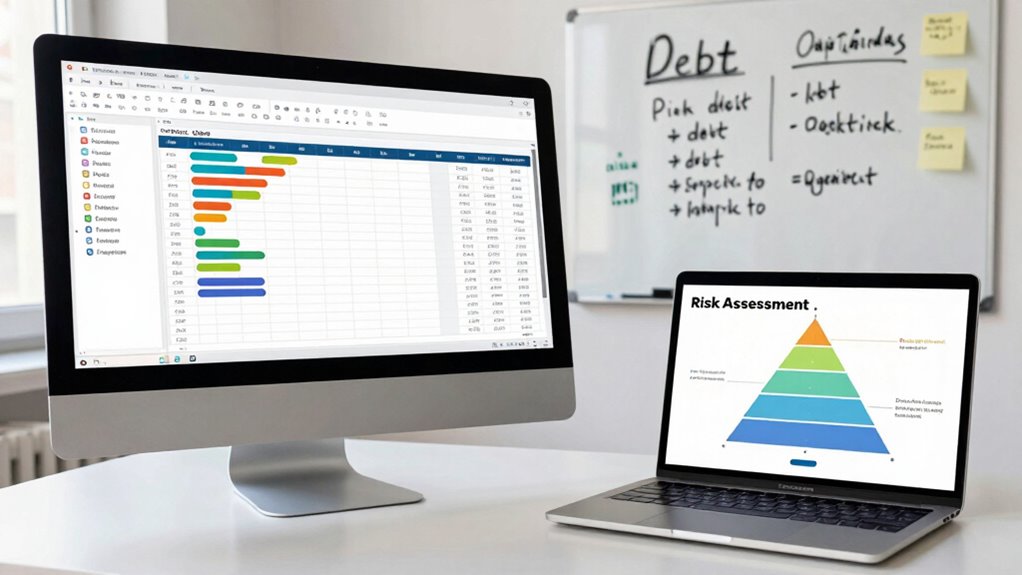
Have you ever wondered how teams track and manage the hidden costs of shortcuts taken during development? That’s where a technical debt register becomes invaluable. It’s a practical tool that helps you identify, document, and prioritize the areas where quick fixes, rushed code, or overlooked issues have accumulated. When you’re juggling multiple projects, it’s easy to let technical debt slip under the radar, but without a clear record, it can grow into a significant risk that hampers future progress.
A technical debt register serves as a centralized inventory of known issues, including outdated libraries, poorly documented code, and shortcuts that might have seemed minor at the moment but now threaten stability. It allows your team to see the full scope of debt at a glance, making it easier to plan corrective actions. This is especially critical when you’re considering code refactoring, which involves restructuring existing code without changing its external behavior. Refactoring can be resource-intensive, but neglecting it only increases the debt and makes future changes more complicated.
Debt prioritization becomes much more straightforward when you use a debt register. Instead of tackling issues randomly, you can evaluate each item based on its impact on the system’s performance, security, or maintainability. This prioritization helps you focus on the most critical problems first, reducing the risk of technical debt spiraling out of control. It also reinforces a proactive approach, where you’re addressing debt before it becomes a major obstacle to delivering new features or fixing bugs. Incorporating visualization techniques can further aid in understanding the distribution and severity of the debt across your projects.
Maintaining a technical debt register encourages transparency within your team and facilitates better communication with stakeholders. When everyone understands the current risks and the rationale behind fixing certain issues, it becomes easier to allocate resources effectively. It also aids in planning regular refactoring sessions, integrating debt management into your development lifecycle rather than treating it as an afterthought. Recognizing and managing requirements traceability into your debt management process can further ensure alignment with compliance standards and overall quality assurance goals. Additionally, leveraging risk assessment methods can help quantify and mitigate potential future issues stemming from existing debt. Developing a clear understanding of the impact of technical debt can motivate teams to address issues proactively before they escalate.
technical debt management software
As an affiliate, we earn on qualifying purchases.
As an affiliate, we earn on qualifying purchases.
Frequently Asked Questions
How Often Should a Technical Debt Register Be Reviewed and Updated?
You should review and update your technical debt register regularly, ideally every sprint or bi-weekly, to keep debt documentation current. This frequent review allows you to perform ongoing risk assessments, identify new risks, and prioritize debt repayment effectively. Staying proactive helps prevent accumulated debt from escalating into bigger issues, ensuring your team maintains a clear understanding of technical risks and manages them efficiently over time.
Who Is Responsible for Maintaining the Technical Debt Register?
You are responsible for maintaining the technical debt register, guaranteeing clear stakeholder accountability and accurate debt documentation. You keep the register updated by regularly reviewing, tracking, and prioritizing debts. Your role involves collaborating with developers, project managers, and stakeholders to ensure everyone understands and manages technical debt effectively. By maintaining the register, you help prevent risks, improve project transparency, and support informed decision-making across the team.
Can Technical Debt Registers Be Integrated With Other Project Management Tools?
Yes, you can integrate technical debt registers with other project management tools through tool integration, streamlining your workflow. This setup allows for seamless data synchronization, ensuring your technical debt information stays current across platforms. By connecting these tools, you reduce manual updates, improve visibility, and make informed decisions faster. Ultimately, integrated systems help you manage risk more effectively, keeping your project aligned and minimizing overlooked technical debt.
What Are Common Challenges in Implementing Technical Debt Registers?
You might face challenges like accurately identifying legacy code issues and ensuring clear stakeholder communication. It’s tricky to get everyone on the same page about technical debt’s impact, especially when priorities clash. You also need consistent processes to update the register, or it quickly becomes outdated. Balancing thorough documentation with team workload is tough, but addressing these challenges helps you manage technical debt more effectively and maintain project health.
How Do You Prioritize Technical Debt Items for Resolution?
Prioritizing technical debt is like steering through a maze—you need a clear map. Use debt prioritization by evaluating each item’s risk and impact on your project’s goals. Conduct a thorough risk assessment to identify high-priority issues that could cause significant delays or failures. Focus on resolving those with the greatest potential to reduce risk first, then tackle lower-priority debts gradually. This approach guarantees efficient, strategic progress and minimizes long-term problems.
code quality and refactoring tools
As an affiliate, we earn on qualifying purchases.
As an affiliate, we earn on qualifying purchases.
Conclusion
By building a robust technical debt register, you can boldly balance, banish, and break down burdensome bugs. Regularly reviewing and recording risks keeps your projects pristine and prevents piling problems from piling up. Embrace this effective, easy, and essential tool to tame technical debt, ensuring your code stays clean, current, and competitive. With a disciplined, diligent approach, you’ll diminish debt, defend development, and drive your digital dreams directly toward success.
software project risk assessment tools
As an affiliate, we earn on qualifying purchases.
As an affiliate, we earn on qualifying purchases.
development workflow visualization tools
As an affiliate, we earn on qualifying purchases.
As an affiliate, we earn on qualifying purchases.
Halloween Picks
halloween
As an affiliate, we earn on qualifying purchases.