
TL;DR

Get business pricing on monitors, keyboards and dev gear
- Business-only prices and quantity discounts
- Tax-exempt purchasing
- Multiple users, one account, clear invoices
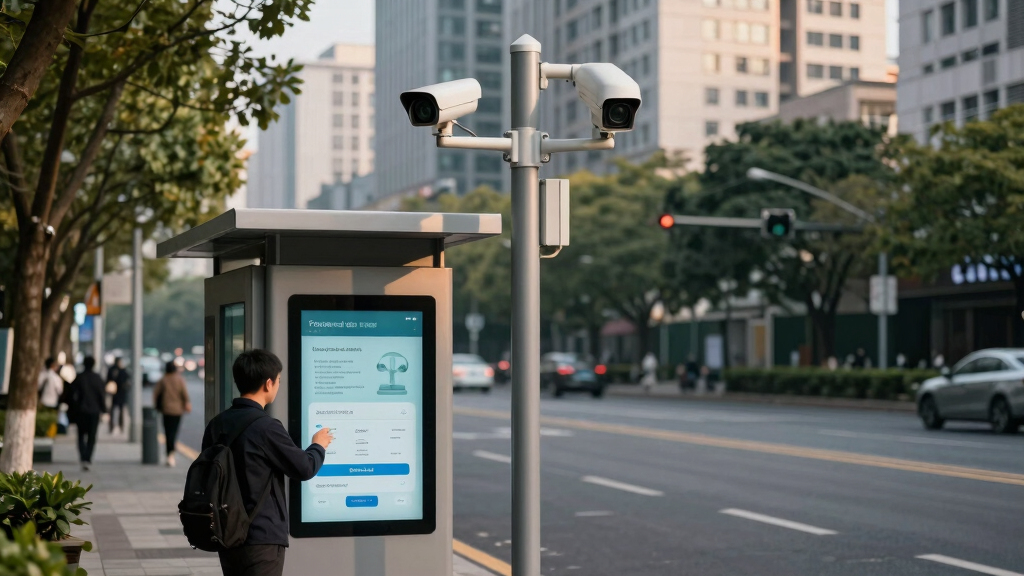
Cities are increasingly adopting AI-driven digital twins for urban management, raising concerns about corporate dependency, citizen privacy, and societal control. Governance models and legal frameworks are still evolving, with significant implications for accountability and civil liberties.
Urban digital twins are increasingly used by cities for traffic management, flood response, and urban planning, with some jurisdictions exploring governance models that could influence privacy and accountability. This surge raises critical questions about who profits, who bears liability, and social costs.
Recent developments include Barcelona’s twin initiative facing criticism over opaque data processing, and Rotterdam experimenting with a shared ownership model to prevent vendor lock-in. These efforts highlight the tension between technological benefits and risks of dependency and misuse.
Legal questions are emerging around GDPR compliance and data control, especially as city twins ingest operational data from private companies without clear contractual frameworks. Privacy-preserving technologies such as differential privacy are being developed, but their adoption remains inconsistent.
Societally, the expansion of city twins risks chilling effects on free assembly and expression, as continuous tracking and simulation may automate biases and erode contestability. The debate is now shifting toward public governance rather than purely technical solutions.
Implications of City Twins for Urban Governance
This development matters because the governance of AI-driven city surveillance systems directly impacts citizen privacy, accountability, and social equity. As cities rely more on these digital replicas, the risk of corporate dependency and loss of public control increases, potentially shaping urban life in ways that are difficult to contest or regulate.
Products Worth Considering

Logitech MX Mechanical Wireless Illuminated Keyboard, Tactile Quiet, Graphite

Amazon Kindle Paperwhite (12th Generation, 2024), 16 GB, 7-inch Display, Jade

DJI Osmo Mobile 7P with Mic Mini TX (Infinity Black) Gimbal Stabilizer
As an affiliate, we earn on qualifying purchases.
Growing Adoption and Regulatory Uncertainties
Over recent years, cities like Barcelona and Rotterdam have advanced their digital twin initiatives, motivated by efficiency gains in traffic, flood, and urban planning. However, these projects have faced scrutiny over data transparency and privacy safeguards. The academic and legal landscapes are still catching up, with ongoing debates about ownership models and public participation.
Historically, the technology has evolved rapidly, with digital twins of cities progressing from conceptual models to operational tools, often without comprehensive ethical oversight. The risk of function creep—from flood modeling to surveillance—remains a concern.
“The governance problem looks different when you follow the money, liability, and social costs instead of framing it as state versus citizen.”
— Thorsten Meyer
Unresolved Questions in City Twin Governance
It is still unclear whether shared ownership models like Rotterdam’s will be widely adopted or effective in preventing vendor lock-in. The legal frameworks for data control and privacy, especially under GDPR, are still evolving, leaving many questions about liability and public oversight unanswered. Additionally, the societal impacts of pervasive surveillance via twins are not yet fully understood or regulated.
Future Directions for Ethical City Twin Deployment
Next steps include testing shared ownership models at larger scales, developing enforceable purpose limitations, and establishing transparent data registries. Regulatory bodies may introduce new standards for privacy and accountability, while cities and vendors will likely negotiate new contractual frameworks to address liability and control issues. Public engagement and legal reforms are expected to shape the trajectory of city twin governance in the coming years.
Key Questions
What are city digital twins?
City digital twins are virtual, real-time models of urban environments created from sensor data, imagery, and other inputs, used for planning, management, and response activities.
What are the main privacy concerns with city twins?
The primary concerns include data collection without clear consent, potential misuse of operational data, and the risk of continuous surveillance that could chill public expression and assembly.
How are cities trying to prevent vendor lock-in?
Some cities, like Rotterdam, are experimenting with shared ownership and public governance models that aim to keep control within the public sector rather than relying solely on private vendors.
What legal frameworks govern city twin data?
Legal issues are still being addressed, particularly around GDPR compliance, data controller responsibilities, and transparency requirements for operational and personal data processed within city twins.
Source: ThorstenMeyerAI.com