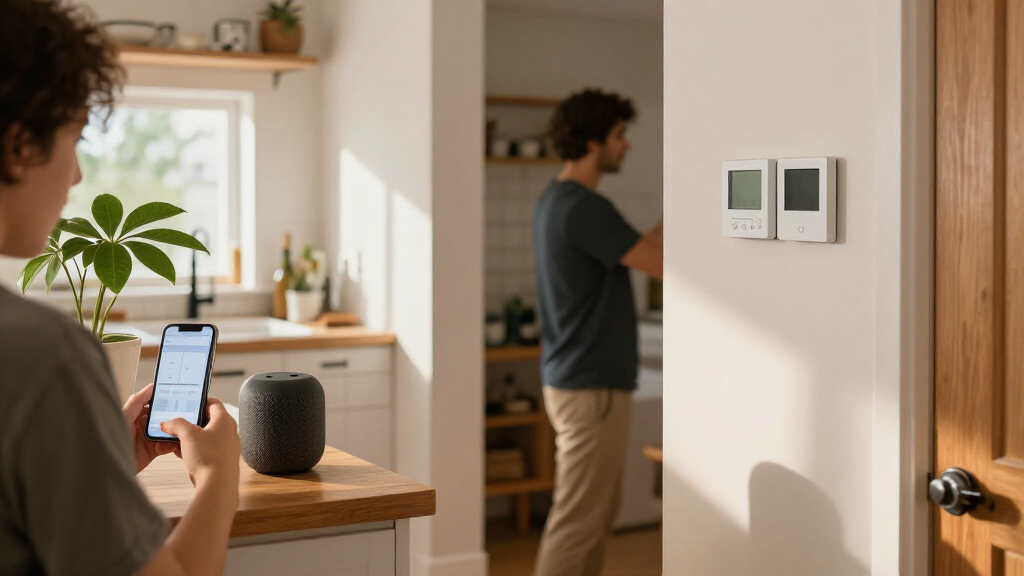

🔍 Read the full analysis: A Room-by-Room Approach To Choosing AI Home Devices on ThorstenMeyerAI.com

Get business pricing on monitors, keyboards and dev gear
- Business-only prices and quantity discounts
- Tax-exempt purchasing
- Multiple users, one account, clear invoices
TL;DR
A guide from ThorstenMeyerAI.com recommends starting with one low-risk smart home task, checking device and platform compatibility, and setting up devices room by room. It also advises reviewing privacy settings and avoiding safety-sensitive equipment until basic setup is working.
ThorstenMeyerAI.com has published a beginner’s guide to choosing and setting up AI-assisted home devices, recommending that households begin with one low-risk task, such as controlling a lamp, before adding equipment that can affect safety or access. The guide focuses on a small system of devices such as a smart speaker, lights, thermostat or plug, and says setup can take 45 to 90 minutes, depending on the number of devices and required app updates.
The guide frames setup as a room-by-room planning task: choose a specific job for a device, check its compatibility with the home’s platform and network, then give it a clear name and assign it to the correct room. It cautions that support for voice commands does not necessarily mean a device supports every routine or AI feature, as explained in this overview of AI-enabled home automation devices. Buyers are advised to check the exact model’s requirements, including whether it needs a hub, a 2.4 GHz Wi-Fi network, or a subscription.
For installation, the guide recommends using the manufacturer’s official app, updating the app and device firmware, and confirming that the device appears online before creating automations. It also advises securing the associated account with a unique password and multifactor authentication when available, updating the router through its official controls, and limiting app permissions to those needed for setup.
Privacy settings are another part of the process. The guide says users should review voice recordings, activity history, data sharing and cloud processing, and disable features they do not need. For cameras and microphones, it recommends checking when recording or listening is active and learning how to pause those functions. It also warns against modifying electrical wiring or installing devices in places that require a qualified electrician.
Safer Choices for Each Room
Choosing devices by the job and room can make a small smart home system easier to manage. Clear room assignments and distinct names, such as “Desk lamp” or “Hall thermostat,” help people identify devices in an app and reduce confusion when giving voice commands. Starting with a lamp also lets a household test its Wi-Fi, accounts and platform before connecting more consequential equipment.
The guide’s cautions matter because home devices may combine microphones, cameras, sensors and remote controls. Depending on the product, some data may be processed locally while other information may go to a cloud service. Users should understand the settings and access controls before enabling those functions. The source does not establish that any particular product is suitable for every home, so compatibility and privacy choices remain specific to each device and household.
Products Worth Considering

Amazon Kindle Paperwhite (2024) – 16GB, 7 Glare-Free Display, Waterproof

Logitech MX Master 4 Ergonomic Wireless Mouse with Haptic Feedback, Graphite

Bose QuietComfort Wireless Noise Cancelling Headphones, Ice Blue
As an affiliate, we earn on qualifying purchases.
From First Device to Routines
The supplied material describes a setup process rather than reporting a product launch, regulatory change or new technical finding. Its central advice is to select a single task first, confirm the device works with the chosen assistant or platform, and add further devices only after the initial connection is successful.
The guide also includes recommendations for Hubitat, SwitchBot and Green. ThorstenMeyerAI.com says it recommends Hubitat when local, multi-protocol automation and subscription-free, AI-assisted routine building are priorities; it favors SwitchBot for camera-aware, chat-based control and bundled storage if subscription terms and device limits suit the buyer; and describes Green as a quiet, expandable local automation base for buyers less focused on built-in AI features. These are the publisher’s recommendations, not independently verified comparative findings. The source discloses that it may earn commissions from qualifying Amazon purchases.
“We recommend Hubitat as the best overall choice when local, multi-protocol automation and subscription-free AI-assisted routine building matter more than beginner-friendly setup.”
— ThorstenMeyerAI.com
Compatibility and Privacy Vary
The supplied guide does not name specific device models, provide independent test data, or establish how each product handles data. AI features and data processing vary by device; the material says some processing may happen locally and some voice, sensor or usage data may be sent to a cloud service. The exact practices, retention periods and available controls depend on each manufacturer and product.
It is also unclear what evidence underlies the three product recommendations, and the guide does not give prices, subscription costs or a detailed comparison of their features. Network requirements, regional availability and platform support should be checked against the current product listing and manufacturer documentation before purchase.
Test Before Adding More Devices
The next step for readers following the guide is to choose a low-risk first device, verify its network and platform requirements, and complete setup through the manufacturer’s official app. Once it is online, users can test basic controls, assign a room and review privacy settings before creating a schedule or voice routine.
Before adding locks, alarms, heaters or other equipment that can affect safety or access, households should confirm that the device works as intended and follow its installation instructions. The source gives no date for a follow-up, product comparison or further testing, so there is no announced next milestone.
Key Questions
How long does the guide estimate setup will take?
ThorstenMeyerAI.com estimates 45 to 90 minutes, depending on how many devices are being added and whether app updates are needed.
What should I check before buying a smart home device?
Check compatibility with the chosen platform, phone and region, along with any hub requirement, Wi-Fi band requirement and subscription. Confirm support for the exact routines or AI features you intend to use.
Which device should I set up first?
The guide recommends a low-risk device, such as a lamp. It advises waiting to connect locks, alarms, heaters and other equipment that can affect safety or access until the basic setup is working.
How can I review a device’s privacy settings?
Check the manufacturer’s app for controls covering voice recordings, activity history, data sharing and cloud processing. For cameras and microphones, find out when they are active and how to pause them; check whether the device also has a physical control.
Are Hubitat, SwitchBot and Green proven to be the best options?
No independent comparison is provided in the supplied material. The recommendations are attributed to ThorstenMeyerAI.com, which also discloses that it may earn commissions from qualifying Amazon purchases.
Source: ThorstenMeyerAI.com