
🔍 Read the full analysis: 2026'S Top 14 AI-Enabled Devices For Home Automation on ThorstenMeyerAI.com

Get business pricing on monitors, keyboards and dev gear
- Business-only prices and quantity discounts
- Tax-exempt purchasing
- Multiple users, one account, clear invoices
TL;DR
In 2026, the smart home market sees 14 top AI-enabled devices that enhance automation, privacy, and integration. This guide highlights the best options for different needs.
In 2026, the home automation market is dominated by at least 14 AI-enabled devices that promise smarter, more responsive living environments. These devices, selected for their AI capabilities, compatibility, and user-friendliness, are shaping how consumers automate their homes, offering features like local processing, multi-protocol support, and seamless integration with existing ecosystems.
The list includes devices ranging from comprehensive energy monitors to multi-functional voice control panels, each with unique AI-driven features. The Home Energy Monitor with IoT and AI Integration is highlighted as the top overall choice for its extensive energy insights and automation capabilities, according to Thorsten Meyer AI. For more on the latest in home automation, see the original analysis. The SwitchBot AI Hub excels in compatibility, supporting Matter and local storage options, making it ideal for users seeking flexible integration. Meanwhile, the Multi-Functional AI Voice Control Panel offers an intuitive interface for voice commands, catering to users prioritizing ease of use.
Market analysts emphasize that these devices are distinguished by their use of local AI processing, reducing latency and enhancing privacy. Compatibility remains a critical factor; most top devices support major ecosystems like Alexa, Apple HomeKit, and Google Home, ensuring seamless automation across platforms. To explore the devices supporting these ecosystems, visit the home automation device list for 2026. Cost and setup complexity vary, with premium options offering advanced features and budget-friendly devices providing core automation functions. The trend indicates a growing emphasis on AI-driven personalization, privacy, and multi-protocol support, addressing diverse consumer needs.
The 14 picks
- 1
 SwitchBot AI Hub with OpenClaw Support and Local Camera StorageView on Amazon →
- 2
 Hubitat Elevation C-8 Pro Smart Home Automation Hub – Matter 1.5, Z-Wave 800…View on Amazon →
- 3
 Multi-Functional AI Voice Control Panel with Mechanical LCD Keys and Secondar…View on Amazon →
- 4
 Home Energy Monitor – Real Time Electricity Usage Monitor with AI-Powered Ana…View on Amazon →
- 5
 SenseCAP Watcher W1-A Physical AI Agent, Clear Enclosure, Compatible with Hom…View on Amazon →
- 6
 iSG Box SE ZB Smart Home Hub with Preinstalled Home AssistantView on Amazon →
- 7
 AI-Powered Smart Home DevicesView on Amazon →
- 8
 iSG Box SE Smart Home Hub with Preinstalled Home AssistantView on Amazon →
- 9
 Arduino Home Automation Projects: Automate Your Home Using the Arduino PlatformView on Amazon →
- 10
 SwitchBot Smart mmWave Radar Motion Sensor, Bluetooth Presence Sensor with Dy…View on Amazon →
- 11
 Meross Presence Sensor MS605, IP67 Battery-Powered, Matter Over ThreadView on Amazon →
- 12
 AI-Powered Smart Home Guide 2026: A Step-by-Step Guide to Designing, Optimizi…View on Amazon →
- 13
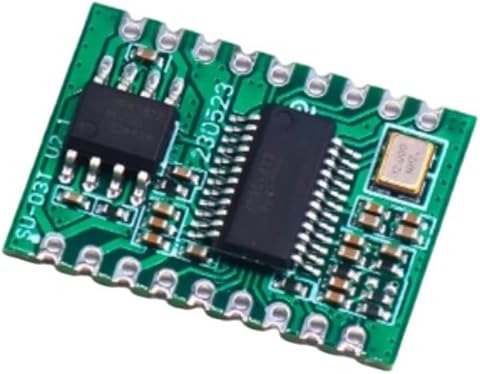 Local AI Voices Command Processor for Home Automation SystemsView on Amazon →
- 14
 AI Powered Smart Home Guide for Beginners 2026View on Amazon →
Why These Devices Will Shape Future Smart Homes
The emergence of these 14 AI-enabled devices signifies a major shift toward more intelligent, private, and flexible home automation. They enable faster responses through local AI processing, reduce reliance on cloud services, and support broad ecosystem compatibility. For consumers, this means more reliable automation, enhanced privacy, and easier integration with existing smart home setups. For manufacturers, it highlights a competitive landscape focused on AI innovation, interoperability, and user-centric design. Overall, these devices are setting new standards for what consumers can expect from their smart homes in 2026 and beyond.
2026 Market Landscape for AI Home Automation Devices
Over the past few years, the home automation industry has shifted from basic connected devices to AI-powered systems capable of learning user preferences and automating complex routines. Leading companies have introduced products with local AI processing, multi-protocol support, and advanced voice interfaces. Notable trends include increased privacy focus, support for open standards like Matter, and the integration of energy management features. Market growth is driven by consumer demand for convenience, security, and energy efficiency, with 2026 seeing a proliferation of devices that blend AI sophistication with affordability.
Previous years saw a focus on cloud-based AI, but recent developments highlight a move toward local processing for faster, more private responses. The top devices listed here reflect this evolution, offering a mix of features suited for both casual users and tech enthusiasts. Industry analysts predict continued innovation, with future devices likely to incorporate even deeper AI learning, better interoperability, and enhanced security features.
Unconfirmed Features and Future Developments
While the list of top devices is based on current market releases and expert analysis, some features, such as advanced machine learning capabilities or full ecosystem compatibility, are still evolving. Manufacturers may introduce firmware updates or new models later in 2026 that could alter rankings or feature sets. Additionally, the adoption of new standards like Matter across all devices remains a work in progress, which could impact interoperability and user experience. Security and privacy practices also vary, and ongoing developments may influence consumer trust and device reliability.
Upcoming Releases and Market Trends in 2026
Manufacturers are expected to release new versions of these devices throughout 2026, with improvements in AI learning, security, and multi-protocol support. Industry events like CES and IFA will showcase upcoming innovations, likely introducing even more integrated, privacy-focused solutions. Consumers should anticipate firmware updates that enhance existing devices’ capabilities. Market analysts suggest that the focus will remain on AI personalization, energy efficiency, and interoperability, shaping the next wave of smart home technology.
Key Questions
Do I need a central hub for these AI-enabled devices?
Not necessarily. Many devices operate directly via Wi-Fi or Bluetooth, but a central hub can simplify management, enable complex automations, and improve reliability, especially in larger setups.
How secure are these AI-powered home devices?
Security varies; devices with local AI processing generally offer better privacy, but all should support strong encryption and regular updates. Choosing reputable brands is advisable.
Can I expand my smart home system later?
Yes, most systems are designed to be scalable, especially those supporting open standards like Matter, Zigbee, or Z-Wave, facilitating future expansion.
What should I consider when choosing an AI home automation device?
Focus on compatibility with your existing ecosystem, AI processing location (local vs. cloud), ease of setup, security features, and cost to find the best fit for your needs.
Source: ThorstenMeyerAI.com
Halloween Picks
halloween
As an affiliate, we earn on qualifying purchases.