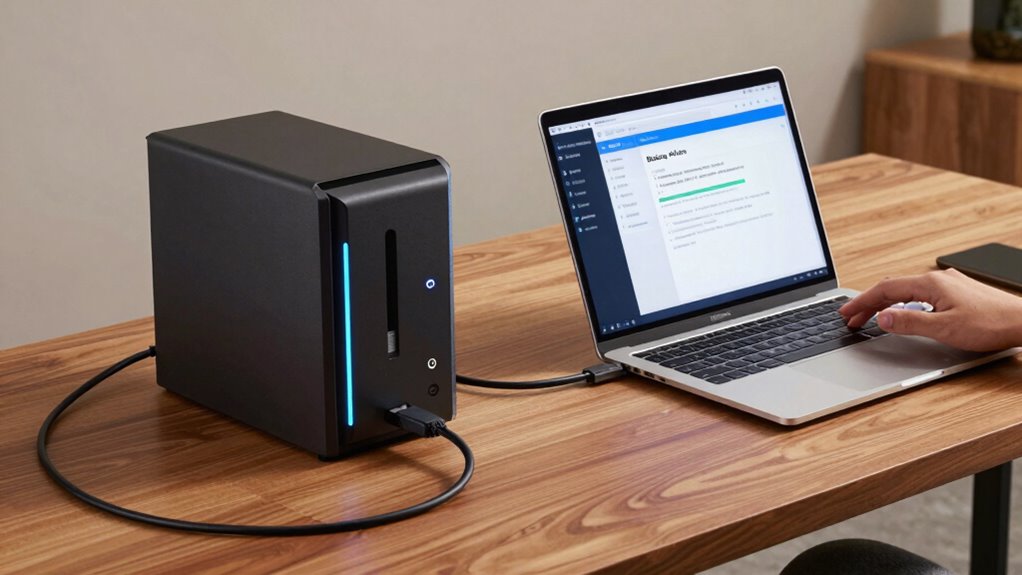
To set up automated backups from your laptop to a NAS, first connect your NAS to your network, preferably via wired connection for better stability. Use the NAS’s web interface to create user accounts, enable encryption, and schedule your backups—daily or weekly—based on your needs. Make certain backup software on your laptop supports scheduling, cloud integration, and encryption. Regularly test and review your setup to guarantee your data stays safe and current—keep going for more detailed steps.
Key Takeaways
- Connect the NAS to your network via wired or wireless connection and configure network settings.
- Choose compatible backup software that supports scheduled backups and encryption.
- Create user accounts on the NAS with encryption enabled for secure data transfer.
- Set up automated backup schedules through the NAS’s web interface, selecting daily or weekly backups.
- Test backups regularly by performing manual restores to ensure data integrity and system reliability.

Nero BackItUp – Data Backup Software | Automatic Backup, Data Recovery, Cloud Backup, Fully Automated | Lifetime License | 1 PC | Windows 11/10/8/7
✔️ One-time Payment, Lifetime Use: Unlike subscription-based services, pay once and enjoy lifetime use without recurring costs.
As an affiliate, we earn on qualifying purchases.
As an affiliate, we earn on qualifying purchases.
Why Automate Laptop Backups to NAS for Data Security
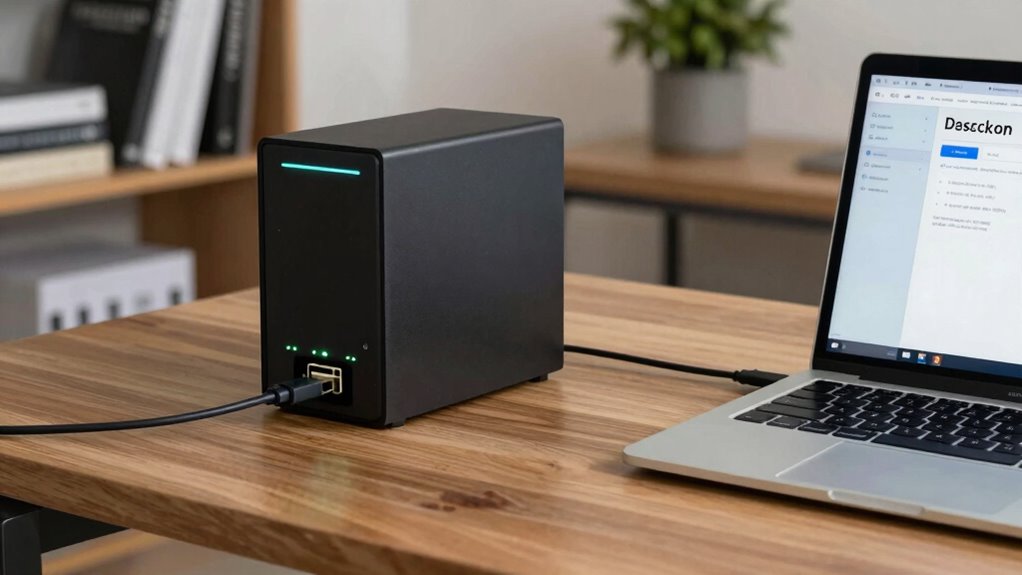
Why should you automate your laptop backups to a NAS for data security? Automation guarantees your data stays current, reducing the risk of losing important files. With cloud integration, your NAS can sync seamlessly with cloud services, providing an extra layer of backup security. This setup means your data is stored in multiple locations, safeguarding against hardware failures or theft. Encryption methods protect your sensitive information during transfer and storage, making it nearly impossible for unauthorized users to access your data. Automating backups also minimizes manual effort, preventing forgetfulness and human error. Additionally, understanding data integrity ensures your backups remain accurate and uncorrupted throughout the process. Regular backup verification is also crucial to confirm that your backups are complete and usable. Incorporating automated scheduling helps ensure backups occur consistently without manual intervention. Recognizing the importance of redundant storage can further enhance your data protection strategy. Moreover, incorporating natural integration with existing home networks can streamline the setup process and improve overall efficiency. Overall, this approach offers a reliable, secure, and efficient way to keep your data safe, giving you peace of mind knowing your files are protected, updated, and ready for recovery whenever you need them.
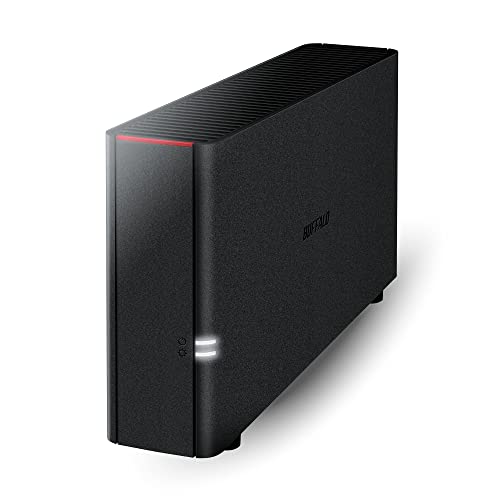
BUFFALO LinkStation 210 2TB 1-Bay NAS Network Attached Storage with HDD Hard Drives Included NAS Storage that Works as Home Cloud or Network Storage Device for Home
Value NAS with RAID for centralized storage and backup for all your devices. Check out the LS 700…
As an affiliate, we earn on qualifying purchases.
As an affiliate, we earn on qualifying purchases.
How to Choose the Right NAS and Backup Software
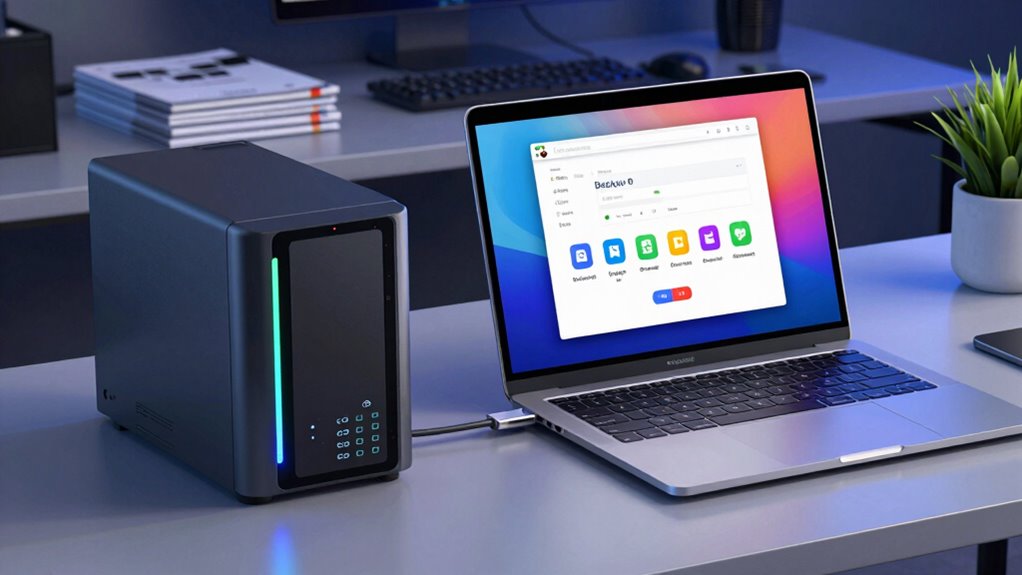
Choosing the right NAS device and backup software is essential for ensuring reliable and secure data protection. You need a NAS that offers good hardware compatibility with your laptop and network setup, ensuring smooth performance and easy integration. Look for models with robust cloud integration features, so you can back up data to the cloud or access files remotely. Backup software should be user-friendly, support scheduled backups, and be compatible with your operating system. Check if it offers encryption options to keep your data secure. Consider scalability—will it grow with your needs? By selecting a NAS with versatile cloud options and compatible hardware, along with reliable backup software, you’ll set a solid foundation for automated, hassle-free backups. Additionally, hardware compatibility is critical for seamless operation and avoiding technical issues. Ensuring your setup aligns with digital safety best practices can further protect your data from potential threats. Incorporating automated backup processes can help reduce manual effort and ensure consistent data protection.

WD 6TB My Passport, Portable External Hard Drive, Black, Backup Software with Defense Against ransomware, and Password Protection, USB 3.1/USB 3.0 Compatible – WDBR9S0060BBK-WESN
World’s First 6TB 2.5” Portable Hard Drive
As an affiliate, we earn on qualifying purchases.
As an affiliate, we earn on qualifying purchases.
Step-by-Step: Setting Up Your NAS and Scheduling Backups
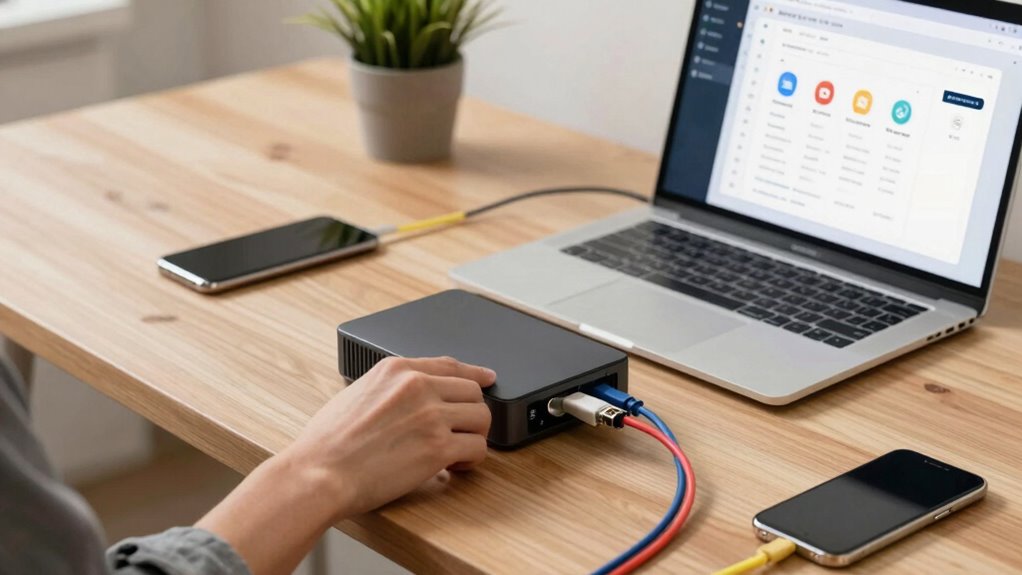
Setting up your NAS and scheduling backups might seem intimidating at first, but breaking the process into clear steps makes it manageable. Start by connecting your NAS to your network and configuring the network settings to ensure proper communication. Use a wired connection for stability if possible. Next, set up user accounts and enable backup encryption to protect your data during transfer and storage. Access the NAS’s web interface to configure backup schedules—choose daily or weekly backups at convenient times. Ensure the NAS’s time zone is correct for accurate scheduling. Test your network configuration by pinging the device from your laptop. Once everything’s in place, save your backup plan and activate it. Regularly review backup logs to confirm your automated system runs smoothly.
![Free Fling File Transfer Software for Windows [PC Download]](https://m.media-amazon.com/images/I/41Vq6ZqHfjL._SL500_.jpg)
Free Fling File Transfer Software for Windows [PC Download]
Intuitive interface of a conventional FTP client
As an affiliate, we earn on qualifying purchases.
As an affiliate, we earn on qualifying purchases.
How to Test and Troubleshoot Your Backup System

Once you’ve scheduled your backups, it’s crucial to verify that your system is working correctly before relying on it completely. Start by performing a manual backup to ensure data is transferred properly. Check the backup logs for any errors and confirm that files are intact on your NAS. If issues arise, focus on error resolution by troubleshooting network connectivity, permissions, or storage space. Run a backup verification by restoring a test file to confirm data integrity. If the restore succeeds without errors, your backup system is reliable. Regularly testing and troubleshooting helps catch problems early, preventing data loss. Incorporating regular testing into your routine ensures ongoing data protection and helps identify potential issues before they impact your data security. Additionally, understanding backup best practices can help optimize the reliability of your system. Remember, proper system setup is essential for effective backups and recovery. Don’t forget to review your hardware and software compatibility periodically to ensure everything functions smoothly. Staying informed about backup technology advancements can also improve your backup strategy over time.
Maintaining and Optimizing Your Backup Workflow Over Time

To guarantee your backup system remains dependable over time, it’s essential to regularly review and refine your workflow. Start by checking your cloud integration, ensuring your NAS remains connected with your cloud services for seamless backups. Keep user permissions up-to-date, restricting access to authorized users and preventing accidental data loss or breaches. Periodically verify that your backup schedules still meet your needs, adjusting them for changing data volumes or priorities. Automate routine tasks where possible to reduce manual errors. Monitoring storage capacity and performance helps catch issues early, ensuring backups run smoothly. Regularly update your backup software and firmware to benefit from security patches and features. Additionally, maintaining backup security protocols is crucial to protect your data from unauthorized access. Incorporating accessibility features can also improve the overall efficiency of your backup management, especially when multiple users are involved. Staying informed about requirements traceability can help ensure your backup processes align with compliance standards and organizational policies. Regularly reviewing your monitoring and alert systems can help detect potential problems before they impact your data integrity. Implementing regular audits can further enhance your backup reliability and security. These steps keep your workflow efficient, secure, and adaptable as your data and technology evolve.
Frequently Asked Questions
Can I Back up Specific Folders Selectively?
Yes, you can back up specific folders selectively. Many backup tools allow you to choose which folders to include, enabling folder synchronization for only the data you want. This way, you maintain control over your backups, saving space and time. Plus, backup versioning helps you keep multiple copies of different versions of your files, so you can restore earlier versions if needed. Just select your folders carefully during setup.
What Internet Speed Is Needed for Reliable Backups?
Imagine data flowing smoothly through a well-paved highway—reliable backups need at least 10 Mbps for everyday files and 50 Mbps for larger ones. To guarantee your data stays safe, prioritize a strong internet connection with stable speeds. Enable data encryption during transfer for security, and set backup frequency based on how often your data changes. This way, your backups are both secure and consistent, minimizing the risk of data loss.
How Do I Secure My Backup Data on the NAS?
To secure your backup data on the NAS, you should enable encryption protocols like AES to protect your files from unauthorized access. Additionally, set up strict access controls by creating user accounts with strong passwords and permissions that limit who can view or modify your backups. Regularly update your NAS firmware and use multi-factor authentication whenever possible, ensuring your backup data stays safe from cyber threats.
Is Cloud Integration Possible With My NAS Backups?
Yes, your NAS can embrace the cloud! With cloud compatibility, you can sync backups effortlessly, making disaster recovery a breeze. Just guarantee your data encryption is first-rate; after all, who wants their secrets spilled in the digital ocean? Think of it as giving your backups a luxury upgrade—cloud integration keeps your files accessible anywhere, anytime, while keeping hackers at bay with robust encryption. Smart, right?
How Often Should I Update Backup Schedules?
You should update your backup schedule based on your data change frequency. For critical files, consider daily backups, while less important data can be backed up weekly. Regularly review your backup frequency to guarantee it’s still effective, and don’t hesitate to adjust your schedule if your data grows or your needs change. Schedule adjustment helps maintain data integrity and minimizes the risk of losing recent files.
Conclusion
Automating your backups might seem intimidating at first, but it’s worth the effort for peace of mind. Once you set up your NAS and schedule backups, you’ll save time and protect your data effortlessly. Remember, “A stitch in time saves nine”—regular backups prevent major headaches down the line. Keep an eye on your system, stay proactive, and your data will stay safe and sound, no matter what surprises come your way.