
📊 Full opportunity report: Master Building Chrome Extensions Without Coding Knowledge on IdeaNavigator AI — validation score, market gap, and execution plan.

Get business pricing on monitors, keyboards and dev gear
- Business-only prices and quantity discounts
- Tax-exempt purchasing
- Multiple users, one account, clear invoices
TL;DR
A novel AI-powered platform now enables users without coding skills to generate Chrome extensions through simple prompts. This development aims to democratize browser automation creation, targeting prosumers and teams. The tool offers a freemium model with future plans for automation and marketplace integration.
A new platform has been launched that allows users without coding experience to create Chrome extensions using natural language inputs. This development targets prosumers, marketers, and internal teams seeking custom browser automations without hiring developers. The tool simplifies the traditionally complex process of extension development, making it accessible to a broader audience.
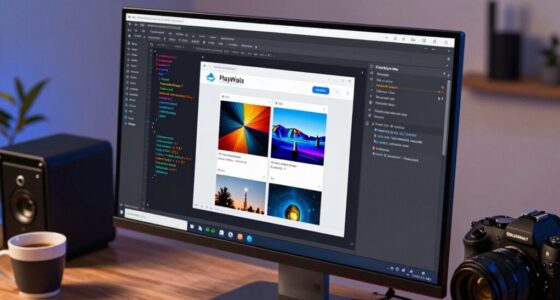
The platform, developed by an emerging startup, offers a web app where users describe desired browser behaviors—such as highlighting prices or automating form filling—and the system generates a valid Manifest V3 extension. It provides a one-click local installation option and guides users through packaging and submitting extensions to the Chrome Web Store. The initial version supports core capabilities like DOM manipulation, page scraping, and API calls, with safety and reviewability in mind.
This service is available in a freemium model, with a free tier offering limited builds and paid plans ranging from $12 to $49 per month for unlimited extensions, private team distribution, and advanced permissions. The startup plans to validate the market by offering a landing page where users describe extensions they want built, measuring engagement and willingness to pay. The platform is part of a growing wave of AI-powered no-code tools aimed at browser productivity and automation.
Potential Impact on Browser Automation Accessibility
This development could significantly lower the barrier to creating custom browser automations, enabling non-developers to build and deploy Chrome extensions easily. It addresses a market gap where traditional extension development is complex and costly, opening opportunities for prosumers, marketers, and internal teams to enhance productivity without technical expertise. If successful, it could accelerate the adoption of browser automations and influence how browser enhancements are built and distributed.
As an affiliate, we earn on qualifying purchases.
Rise of AI and No-Code Tools in Browser Automation
Recent years have seen a surge in no-code and AI-assisted app builders, with the market projected to reach approximately $28.75 billion by 2026. The Chrome Web Store hosts over 190,000 extensions, but most require technical knowledge to develop. The launch of AI extension builders like Kromio, Emergent, and Toolmark in 2025-2026 validates the demand for simplified creation tools. This new platform aims to capitalize on this trend by enabling users to generate extensions through natural language prompts, reducing reliance on traditional coding skills.
Historically, building even simple Chrome extensions involved understanding Manifest V3, service workers, permissions, and the review process, barriers that have limited non-developers from creating custom tools. The advent of AI code generation is now making ‘prompt-to-app’ a mainstream expectation, opening new possibilities for democratized browser automation.
“This tool could radically democratize browser automation, making it accessible to anyone with a browser and a simple idea.”
— an anonymous researcher
AI-powered browser automation tools
As an affiliate, we earn on qualifying purchases.
As an affiliate, we earn on qualifying purchases.
Unclear Details on Long-Term Reliability and Security
It is not yet clear how well the generated extensions will perform across different websites or how secure and reviewable the code will remain as the platform evolves. The safety, review process, and compliance with Chrome Web Store policies are still being tested, and user adoption rates are yet to be established. The long-term viability of the platform depends on user trust and platform stability, which are currently under observation.
custom Chrome extensions for marketers
As an affiliate, we earn on qualifying purchases.
As an affiliate, we earn on qualifying purchases.
Next Steps Include User Testing and Market Validation
The startup plans to launch a public beta, gather user feedback, and refine the platform based on real-world use. They will monitor metrics such as prompt-to-install conversion rates, extension retention after one week, and willingness to pay for premium features. Success will likely lead to expanded capabilities, integrations with team management tools, and possibly a marketplace for user-generated extensions.
browser automation no-code platform
As an affiliate, we earn on qualifying purchases.
As an affiliate, we earn on qualifying purchases.
Key Questions
Can non-developers create complex Chrome extensions with this tool?
The platform currently supports core functionalities like DOM manipulation, page scraping, and API calls. While it aims to simplify extension creation, complex extensions requiring advanced permissions or integrations may need further development or future platform enhancements.
Is the generated code safe and reviewable?
The platform emphasizes safety by generating reviewable code and starting with a vetted library of capabilities. However, as with any AI-generated code, users should review extensions before deployment, especially for sensitive or security-critical tasks.
Will this tool replace professional developers?
It is designed to empower non-developers and internal teams to create simple to moderate automations, not replace professional developers for complex projects. It aims to democratize extension creation, not eliminate the need for specialized coding expertise.
How will the platform handle Chrome Web Store submission and review?
The platform offers a guided process for packaging and submitting extensions, with plans to assist users in navigating Chrome Web Store policies. The review process remains the same, but the platform aims to streamline the submission workflow.
Source: IdeaNavigator AI
Fall Picks
fall essentials
As an affiliate, we earn on qualifying purchases.