
If you’re looking for the best Macs for data science and AI in 2025, I recommend considering the latest M4 Pro, M4 Max, and M4 chip models. These offer powerful processors, up to 36GB of unified memory, and stunning Liquid Retina XDR displays, all lightweight for portability. Their impressive battery life and integrated ecosystem make them ideal for demanding workflows on the go. Stay with me to discover detailed insights on each option so you can find your perfect match.
Key Takeaways
- M4 Max models offer top-tier processing power and large memory options ideal for demanding AI and data science workflows.
- The 16.2-inch Liquid Retina XDR display provides vivid, color-accurate visuals crucial for data visualization and analysis.
- Up to 24-hour battery life ensures extended productivity for intensive data tasks on the go.
- High-performance configurations with extensive RAM and SSD storage support large datasets and multitasking efficiently.
- Lightweight M4 Chip models deliver a balance of portability and power for versatile data science and AI work environments.
Apple 2024 MacBook Pro Laptop with M4 Pro
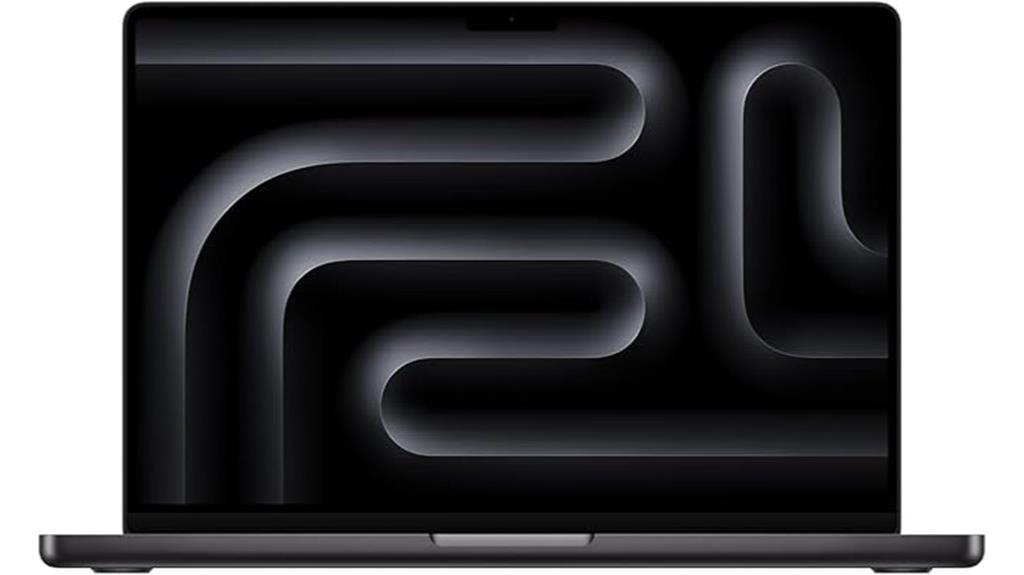
If you’re looking for a MacBook Pro that can handle demanding data science and AI workloads, the 2024 model with M4 Pro is an excellent choice. It packs a powerful 12-core CPU, a 16-core GPU (or higher), and 24GB of unified memory, making heavy tasks like deep learning, large dataset analysis, and complex coding smooth and efficient. With benchmark performance near desktop levels and silent thermal management, it’s perfect for intensive workflows. Plus, its impressive battery life—up to 22 hours—means you can work all day without interruption. This device combines power, portability, and reliability, ideal for serious data professionals.
Best For: data scientists, AI researchers, and professionals requiring high-performance computing for demanding workloads.
Pros:
- Exceptional processing power with a 12-core CPU and 16-core GPU, ideal for intensive tasks like deep learning and data analysis
- Long battery life of up to 22 hours, supporting all-day productivity without needing to recharge
- Seamless Apple ecosystem integration and quiet thermal management enhance user experience and usability
Cons:
- Premium price point may be a barrier for some users
- Limited compatibility with Windows-specific applications without virtualization tools
- The learning curve for users transitioning from Windows environments or less familiar with macOS
Apple 2024 MacBook Pro Laptop with M4 Max
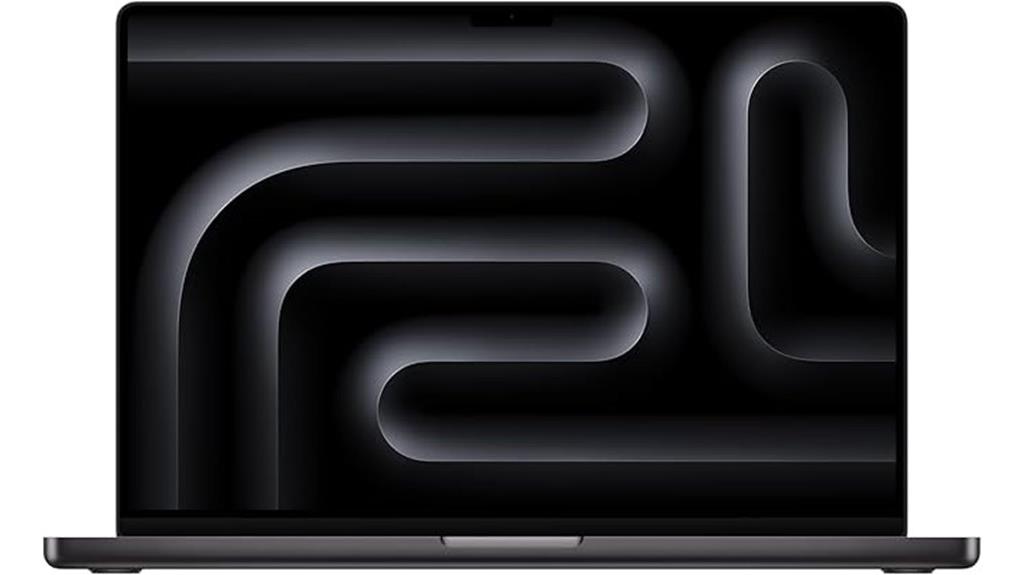
The Apple 2024 MacBook Pro with M4 Max stands out as the ultimate choice for data scientists and AI professionals who need exceptional processing power and graphics performance. Its 16.2-inch Liquid Retina XDR display offers stunning visuals with 3456×2234 resolution, 1 billion colors, and up to 120Hz refresh rate. Powered by the M4 Max chip—featuring a 14-core CPU, 32-core GPU, and 16-core Neural Engine—it handles demanding tasks like AI model training, large dataset processing, and 3D rendering effortlessly. With up to 48GB RAM, 8TB SSD, and 21-hour battery life, it combines power, portability, and reliability for professional workloads.
Best For: data scientists, AI professionals, and creative experts who require exceptional processing power, high-resolution displays, and long battery life for demanding workloads.
Pros:
- Powerful M4 Max chip with 14-core CPU, 32-core GPU, and 16-core Neural Engine for intensive tasks
- Stunning 16.2-inch Liquid Retina XDR display with high resolution and up to 120Hz refresh rate
- Long battery life of up to 21 hours, suitable for extended professional use and travel
Cons:
- Heavy weight (4.73 pounds), making it less portable for some users
- Larger size may be less convenient for on-the-go use or tight spaces
- Premium price point may be a barrier for budget-conscious buyers
Apple 2024 MacBook Pro Laptop with M4 Chip
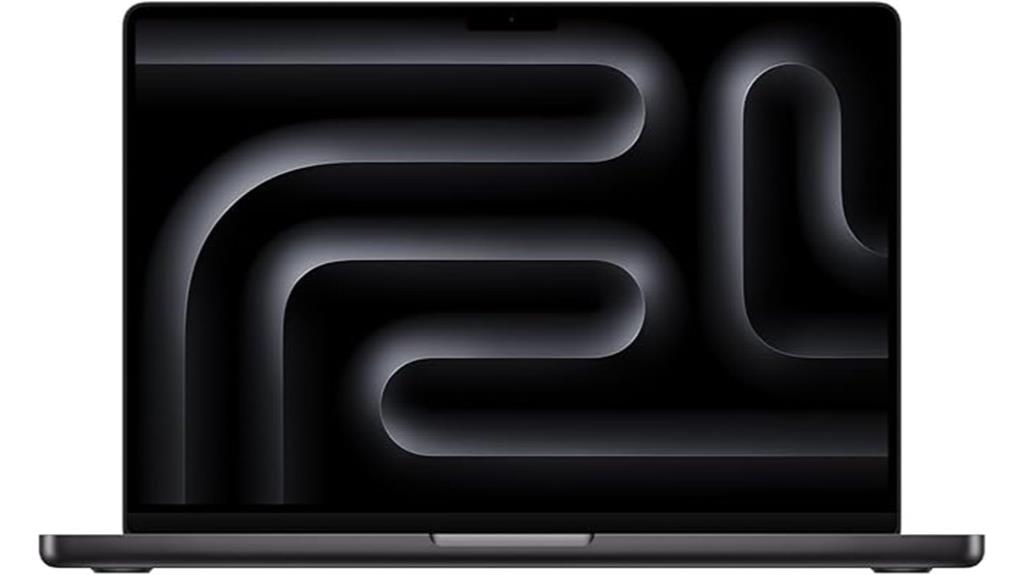
The Apple 2024 MacBook Pro with M4 chip stands out as an ideal choice for data scientists and AI professionals demanding powerful performance in a portable package. Its 10-core CPU and GPU deliver blazing speed, easily handling demanding tasks like video editing, 3D rendering, and multitasking. With up to 32GB of unified memory and fast SSD storage, it guarantees smooth workflows. The stunning 14.2-inch Liquid Retina XDR display offers vibrant visuals, while the advanced audio system enhances media work. Supporting multiple external displays and boasting impressive battery life, this MacBook Pro combines top-tier hardware with seamless macOS integration—perfect for professional data science and AI work on the go.
Best For: data scientists, AI professionals, and creative experts seeking top-tier performance, vibrant display, and portability in a professional-grade laptop.
Pros:
- Powerful 10-core CPU and GPU handle demanding tasks with ease
- Stunning Liquid Retina XDR display with vibrant colors and HDR support
- Long battery life up to 24 hours and extensive external display support
Cons:
- Premium price point may be a barrier for some users
- Limited upgradeability due to integrated hardware design
- Heavier than some ultraportable laptops despite its sleek profile
Apple 2024 MacBook Pro Laptop with M4 Pro
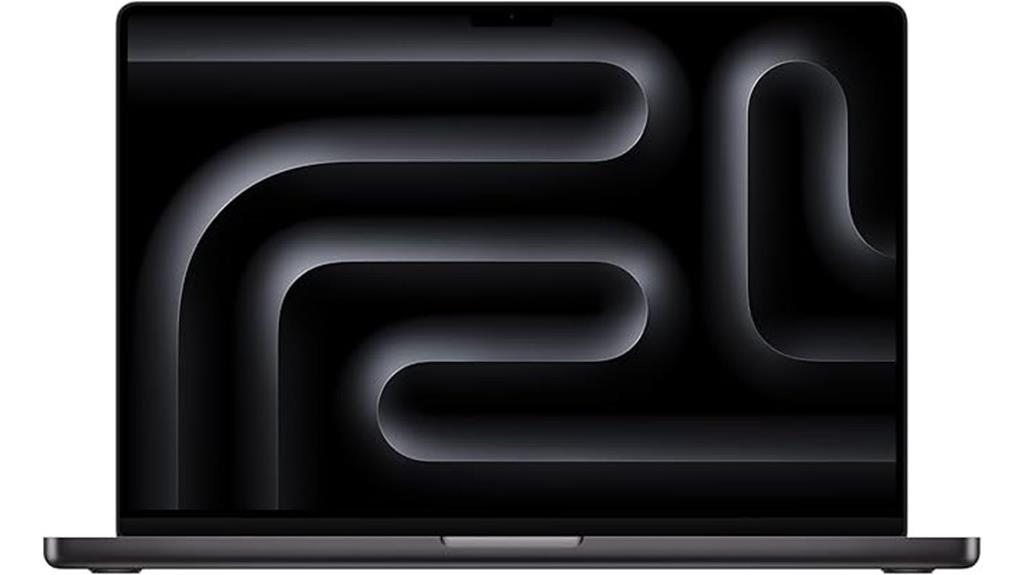
Designed for demanding data science and AI workloads, the 2024 MacBook Pro with M4 Pro stands out with its powerful 14-core CPU and 20-core GPU, providing exceptional processing speed and graphics performance. It handles intensive tasks like 3D rendering, video editing, and AI processing effortlessly, thanks to hardware-accelerated media engines and a 16-core Neural Engine. With 273GB/s memory bandwidth and up to 64GB of RAM, it ensures smooth multitasking and rapid data analysis. The stunning 16.2-inch Liquid Retina XDR display offers vibrant visuals, ideal for data visualization and creative work. Overall, it’s a portable powerhouse built for professional data scientists and AI developers.
Best For: professional data scientists, AI developers, and creative professionals who require powerful processing, high-quality visuals, and seamless multitasking in a portable laptop.
Pros:
- Exceptional performance with M4 Pro chip, ideal for demanding workloads like AI, data analysis, and 3D rendering
- Stunning 16.2-inch Liquid Retina XDR display with vibrant colors and high contrast for accurate data visualization and creative work
- Long battery life of up to 24 hours, supporting extensive work sessions and portable use
Cons:
- Premium price point may be a barrier for some users
- Heavier and larger than some other ultraportables, which could impact portability for travel
- Limited upgradeability post-purchase, especially for RAM and storage options
Apple 2024 MacBook Pro Laptop with M4 Max
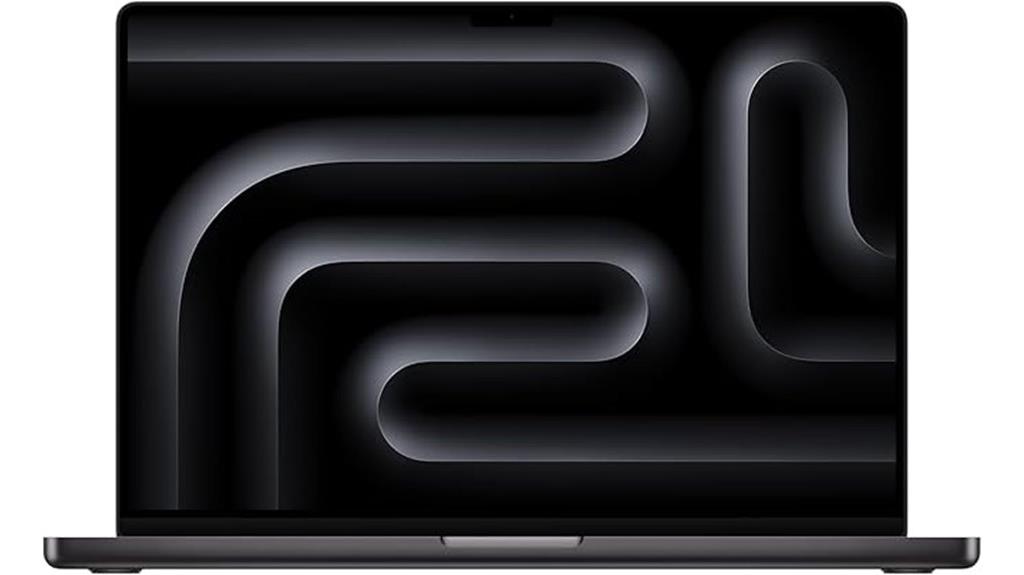
If you’re handling demanding data science or AI projects, the Apple 2024 MacBook Pro with M4 Max is an excellent choice thanks to its powerful 16-core CPU and 40-core GPU. It’s built for intense workflows like 3D rendering and large-scale data processing, providing rapid performance across applications. The 16.2-inch Liquid Retina XDR display delivers stunning visuals with high brightness and contrast, perfect for detailed analysis and visualization. Equipped with 48GB of unified memory and a 1TB SSD, it handles multitasking effortlessly. Designed for all-day use and seamless integration with other Apple devices, it’s a powerhouse for professional data scientists and AI developers.
Best For: professional data scientists, AI developers, and creative professionals handling demanding workflows and large-scale projects.
Pros:
- Exceptional performance with M4 Max chip, 16-core CPU, and 40-core GPU for intensive tasks
- Stunning 16.2-inch Liquid Retina XDR display with high brightness and contrast for detailed visualization
- Ample 48GB unified memory and 1TB SSD support multitasking and large file handling efficiently
Cons:
- Premium price point may be prohibitive for some users
- Limited port options may require adapters or hubs for connectivity
- Heavier and bulkier compared to ultraportable laptops, impacting portability
Apple 2024 MacBook Pro Laptop with M4 Max

For data scientists and AI professionals who need powerful processing capabilities, the Apple 2024 MacBook Pro with M4 Max stands out as an ideal choice. It features the latest M4 Max chip, delivering exceptional performance for demanding tasks like complex workflows and 3D rendering, while maintaining all-day battery life. The 14.2-inch Liquid Retina XDR display offers stunning visuals with high brightness and contrast, perfect for creative work. With 36GB of unified memory and 1TB SSD storage, it handles multitasking and large datasets effortlessly. Seamless integration with Apple’s ecosystem and advanced privacy protections make this MacBook Pro a top contender for professional data work.
Best For: data scientists and AI professionals seeking a powerful, portable MacBook with advanced performance, stunning display, and seamless ecosystem integration.
Pros:
- Exceptional performance with the latest M4 Max chip suitable for demanding workflows and 3D rendering
- Stunning 14.2-inch Liquid Retina XDR display with high brightness and contrast for professional visuals
- Large 36GB unified memory and 1TB SSD for efficient multitasking and handling large datasets
Cons:
- Premium price point may be a barrier for some users
- Limited ports could require additional adapters for certain peripherals
- Heavier and bulkier compared to ultralight laptops, which may impact portability
Apple 2024 MacBook Pro Laptop with M4 Max
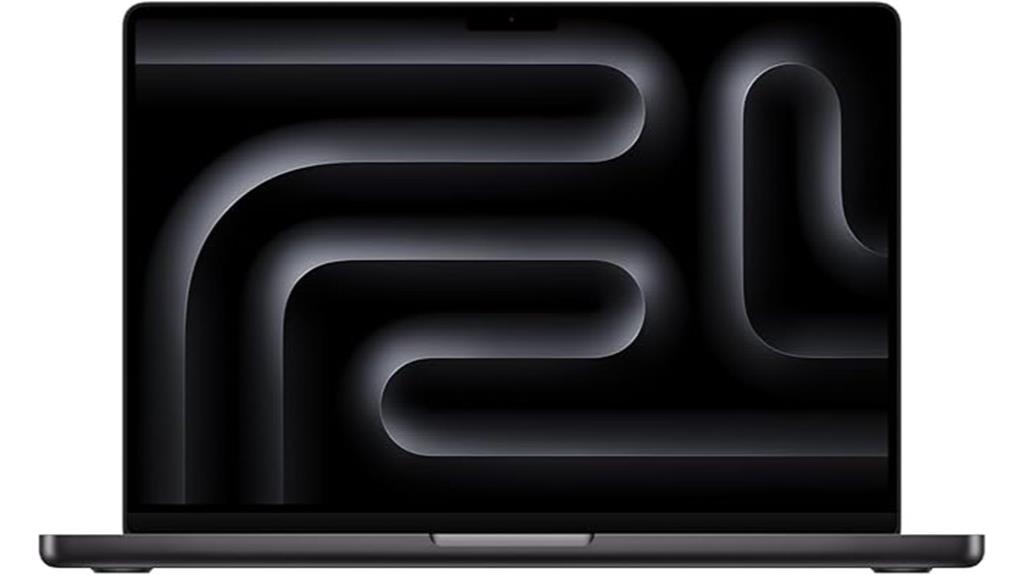
The Apple 2024 MacBook Pro with M4 Max is a powerhouse built for professionals who demand top-tier performance. Equipped with M4 Pro or M4 Max chips, it handles demanding tasks like coding and 3D rendering effortlessly. The 14.2-inch Liquid Retina XDR display offers stunning visuals with up to 1600 nits brightness and a 1,000,000:1 contrast ratio. With 36GB of unified memory and a 1TB SSD, multitasking remains smooth, while all-day battery life keeps you productive on the go. Seamlessly integrated into the Apple ecosystem, it supports advanced privacy and effortless device sharing, making it an ideal choice for data science and AI work.
Best For: professionals in creative, engineering, and data science fields who require high-performance computing, stunning visuals, and seamless ecosystem integration.
Pros:
- Exceptional processing power with M4 Max chip capable of handling demanding professional workflows
- Stunning 14.2-inch Liquid Retina XDR display with high brightness and contrast for vibrant visuals
- Ample 36GB of unified memory and 1TB SSD for smooth multitasking and fast data access
Cons:
- Premium price point may be a barrier for some users
- Limited to macOS, which might not suit users needing Windows-specific software
- Heavier and potentially less portable compared to lighter ultrabooks
Apple 2024 MacBook Pro with M4 Max Chip, 16-inch, 36GB RAM, 1TB SSD, Silver (Renewed)
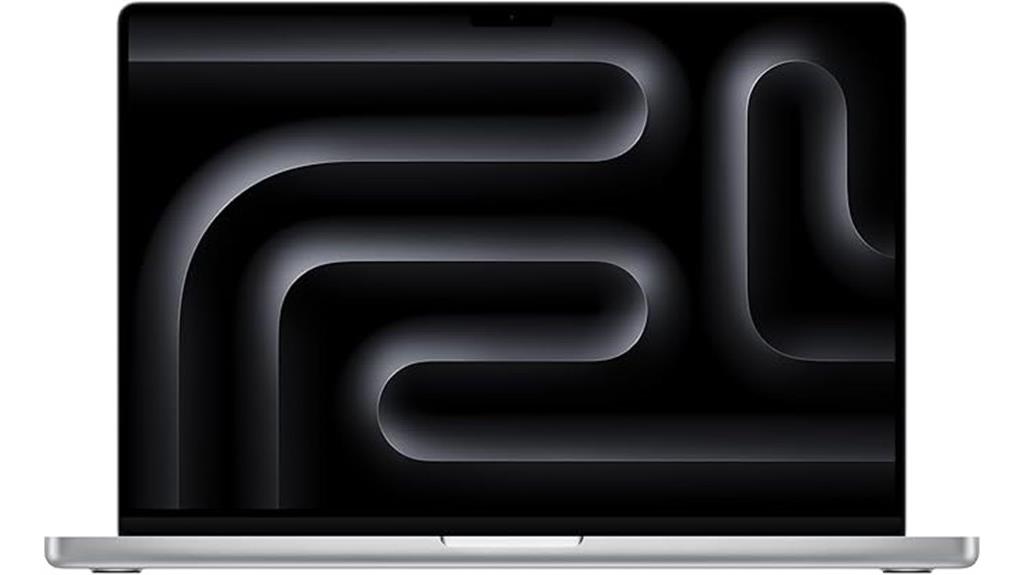
With a 16.2-inch Liquid Retina XDR display and up to 1600 nits of peak brightness, the Apple 2024 MacBook Pro with M4 Max chip is built for data scientists and AI professionals who demand stunning visuals and precise color accuracy. It features the powerful M4 Max chip, 36GB of RAM, and a 1TB SSD, ensuring smooth handling of demanding workloads like large code compilations and complex 3D rendering. The renewed model offers exceptional performance, seamless integration with the Apple ecosystem, and all-day battery life. Its vivid display and robust specs make it an excellent choice for professionals requiring power, portability, and reliability.
Best For: data scientists, AI professionals, and creative experts who require a powerful, portable, and visually stunning laptop for demanding workloads and precise color accuracy.
Pros:
- Exceptional performance with M4 Max chip, 36GB RAM, and 1TB SSD for handling intensive tasks smoothly
- Stunning 16.2-inch Liquid Retina XDR display with up to 1600 nits peak brightness and high contrast ratio for vivid visuals
- Seamless integration within the Apple ecosystem, enabling easy sharing, mirroring, and multitasking across devices
Cons:
- Renewed model may have slight wear or cosmetic imperfections compared to new units
- Higher price point may be a consideration for budget-conscious buyers
- Limited upgrade options post-purchase due to integrated hardware design
Apple 2024 MacBook Pro with M4 Pro, 14‑core CPU, 20‑core GPU
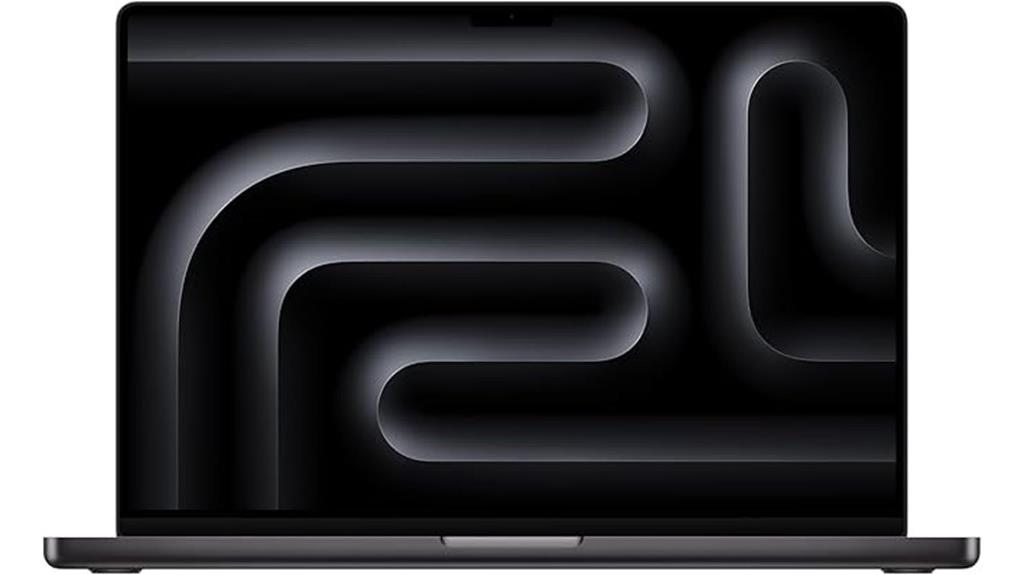
Are you seeking a powerful laptop that can handle demanding data science and AI workloads? The Apple 2024 MacBook Pro with M4 Pro, featuring a 14‑core CPU and 20‑core GPU, is built for serious performance. It handles complex tasks like compiling massive codebases and rendering intricate 3D models effortlessly. Its 16.2-inch Liquid Retina XDR display offers stunning visuals with high brightness and contrast, perfect for creative work. Plus, its all-day battery life ensures you stay productive without interruption. Seamlessly compatible with popular apps and the Apple ecosystem, this MacBook Pro combines raw power with advanced privacy protections—making it an excellent choice for data scientists and AI professionals.
Best For: data scientists, AI professionals, and creative professionals needing powerful performance and high-quality visuals in a portable laptop.
Pros:
- Exceptional processing power with M4 Pro chip, 14-core CPU, and 20-core GPU for demanding workloads
- Stunning 16.2-inch Liquid Retina XDR display with high brightness and contrast for professional visuals
- All-day battery life supports extended productivity and mobility
Cons:
- Premium price point may be out of reach for some users
- Heavier and larger compared to ultra-portable laptops, impacting portability slightly
- Limited upgradeability due to integrated hardware design
Apple MacBook Pro 2023 with M3 Max (16-Inch, 36GB RAM, 1TB SSD) Space Black (Renewed)
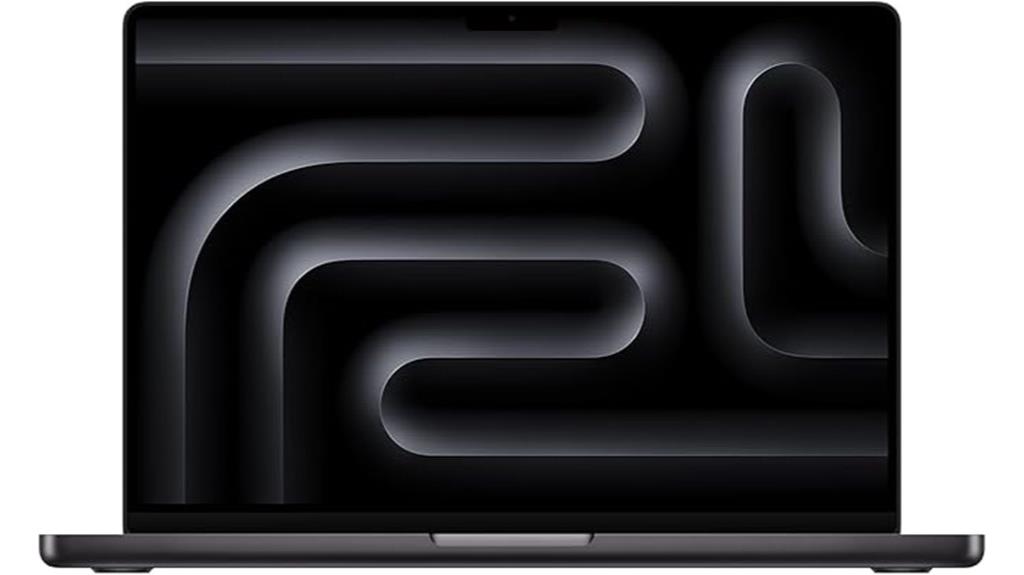
If you’re serious about data science or AI work, the Apple MacBook Pro 2023 with M3 Max stands out as a powerhouse that can handle demanding tasks effortlessly. It features a 16-inch display, a 4.05 GHz M3 Max processor, 36GB of unified RAM, and a 1TB SSD, offering incredible speed and multitasking capabilities. The integrated 30-core GPU turbocharges graphics-intensive workloads. Despite being renewed, it arrives in pristine condition with excellent battery health and minimal power cycles. This device provides pro-level performance at a more accessible price, making it an excellent choice for demanding data science and AI applications.
Best For: professionals and enthusiasts who require high-performance computing for data science, AI, and demanding multitasking in a portable laptop.
Pros:
- Exceptional processing power with the 4.05 GHz M3 Max and 30-core GPU, ideal for intensive tasks
- Large 36GB unified RAM and 1TB SSD ensure fast multitasking and ample storage
- Pristine condition with excellent battery health, despite being renewed, offering great value
Cons:
- Heavier weight (7.1 pounds) may reduce portability for some users
- Not Apple certified, which could affect warranty or support options
- Accessories may not be original, potentially impacting brand authenticity or compatibility
Factors to Consider When Choosing a Macbook Pro for Data Science and AI
When choosing a MacBook Pro for data science and AI, I focus on several key factors to guarantee ideal performance. These include processor power and cores, RAM capacity and speed, display quality, storage options, and battery life. Considering these points helps me select a machine that handles demanding tasks efficiently and fits my portability needs.
Processor Power and Cores
The processor’s power and core count are crucial factors when selecting a MacBook Pro for data science and AI tasks. More cores, like 14 or 16, enable faster processing of complex data sets and machine learning models. Multiple performance cores accelerate computation-heavy tasks such as training deep learning algorithms and large-scale data analysis. Efficiency cores help conserve power during less demanding workflows, extending battery life during long data processing sessions. Hardware-accelerated ray tracing and neural engines boost AI workloads by speeding up specific computations and machine learning tasks. Combining numerous cores with high clock speeds ensures the MacBook Pro can handle multitasking and parallel processing efficiently. Ultimately, a powerful processor with ample cores is essential for seamless, high-performance data science and AI work.
RAM Capacity and Speed
Choosing the right amount of RAM and its speed can substantially impact how smoothly your MacBook Pro handles data science and AI tasks. With 24GB or more, you can efficiently manage large datasets and run multiple applications simultaneously without slowdown. Faster RAM, measured in MHz or GB/s, boosts data transfer rates between the CPU, GPU, and memory, minimizing bottlenecks during intensive computations. The unified memory architecture in MacBook Pros allows rapid sharing of data across all processing units, optimizing performance for AI training and inference. Upgrading to larger RAM configurations can markedly reduce processing times for complex algorithms and machine learning tasks. Ensuring sufficient RAM also prevents system slowdowns when working with high-resolution datasets, extensive libraries, and multiple virtual environments, keeping your workflow smooth and efficient.
Display Brightness and Color
Ever wondered how display brightness and color accuracy impact your data science and AI work on a MacBook Pro? Bright displays with up to 1600 nits ensure you can see details clearly even in bright environments, which is critical when analyzing complex visual data or visualizations. Support for a billion colors and the wide P3 color gamut guarantees precise color reproduction, indispensable for tasks involving image data or training AI models with color-sensitive inputs. Features like True Tone and ProMotion reduce eye strain and improve visual fluidity during long sessions. A contrast ratio of 1,000,000:1 enhances HDR content detail, aiding accurate interpretation of visual outputs. High-resolution, color-accurate screens are fundamental for maintaining fidelity in multispectral data and creative AI workflows.
Storage and Data Access
When selecting a MacBook Pro for data science and AI, storage capacity and data access speed are critical factors to contemplate. I recommend at least 1TB of SSD storage to hold large datasets, models, and project files without constantly managing space. Fast SSDs markedly reduce data transfer times, speeding up preprocessing and training tasks. High-bandwidth memory, like 24GB or more, allows handling larger datasets directly in RAM, avoiding bottlenecks. Additionally, support for multiple external drives or high-capacity SDXC cards via Thunderbolt or SDXC ports offers flexible expansion options for extensive data collections. Efficient data access and ample storage guarantee smooth operation during resource-intensive tasks, such as deep learning training and high-resolution data processing, making these features essential for any serious data science or AI setup.
Battery Life and Portability
Battery life and portability are essential factors for anyone working with data science and AI on a MacBook Pro. Long battery life means I can analyze large datasets and run complex models without constantly searching for a power outlet. Some models offer up to 22 hours of usage, which is a game-changer during intensive projects. Portability is equally important, especially when I need to work on the go, whether at conferences, in the field, or remotely. Many MacBook Pros weigh under 5 pounds, making them easy to carry without sacrificing performance. Their slim design enhances mobility while still delivering power. The improved battery efficiency in newer models allows me to extend work sessions, reducing the need for extra chargers or power banks, ensuring seamless workflow across different locations.
Ecosystem Compatibility
Choosing a MacBook Pro for data science and AI means guaranteeing it integrates smoothly with the Apple ecosystem. macOS compatibility allows seamless use of essential tools like Jupyter, TensorFlow, and PyTorch, streamlining workflows within a unified environment. Ecosystem features such as iPhone Mirroring and Message Sharing enable quick data transfer, remote management, and efficient communication across Apple devices. Apple Silicon chips support hardware-accelerated workflows, boosting performance for machine learning and large data tasks. Support for virtualization tools like Parallels and VMware lets me run Windows-specific applications alongside macOS-based AI software, broadening my options. Additionally, integration with iCloud and Continuity ensures secure data storage, backup, and synchronized project files across all my Apple devices, making the entire workflow more efficient and cohesive.
Frequently Asked Questions
How Do Macbook Pros Handle Large Datasets for AI Workloads?
MacBook Pros handle large datasets well thanks to their powerful M-series chips and ample RAM, which let me process and analyze data efficiently. I appreciate the fast SSD storage that speeds up data access, and the robust GPU options help with AI workloads. While portability is great, I make sure to optimize my workflows to avoid overloading the system, ensuring smooth performance during intensive data tasks.
What Software Compatibility Issues Might Arise With the Latest Macbook Pro Models?
You might think the newest MacBook Pros are perfect, but software compatibility can be a real headache. Some AI or data science tools, especially those relying on specific Windows or Linux features, may not run smoothly or require workarounds like emulators. I’ve found that while Apple’s ecosystem is impressive, certain niche or legacy software still struggles, making it essential to double-check compatibility before diving into big projects.
Are Macbook Pros Suitable for Long-Term Data Science Project Workloads?
Yes, MacBook Pros are suitable for long-term data science projects. I’ve found their powerful hardware, especially the latest M2 chips, handles heavy workloads efficiently. The portability means I can work anywhere, and the battery life keeps me going through long sessions. While occasional software compatibility issues can occur, most major tools like Python, R, and TensorFlow run smoothly on macOS, making them reliable for sustained data science work.
How Does Battery Life Impact Intensive AI Training Sessions on Macbook Pros?
Battery life really influences intensive AI training sessions on MacBook Pros. When I run demanding models, I notice the battery drains quickly, which can cut my work short or force me to find a power source. This limitation makes it essential to plan sessions around charging opportunities or consider external power solutions. I always keep an eye on battery health to ensure smooth, uninterrupted progress on my projects.
Can Macbook Pros Upgrade Hardware Components After Purchase?
Can MacBook Pros be upgraded after purchase? Honestly, no—they’re designed with a focus on sleekness and portability, which means most hardware components are soldered onto the motherboard and aren’t user-replaceable. I’ve found that this limits customization later on, so I recommend choosing the configuration you’ll need upfront. Are you prepared to invest in the right specs initially? That way, your MacBook Pro can meet your data science and AI needs without future upgrades.
Conclusion
If you want the ultimate powerhouse that’s unstoppable in data science and AI, these MacBook Pros are your secret weapon. They’re not just laptops—they’re your AI army, your data fortress, your performance juggernauts. With these machines, you’ll conquer complex models and crunch massive datasets faster than you ever thought possible. Trust me, once you go MacBook Pro in 2025, there’s no turning back—you’re stepping into the future of computing itself!