

To think like a programmer, start by breaking complex problems into smaller, manageable parts. Focus on thoroughly understanding the core issue before jumping to solutions. Design clear algorithms that guide each step logically. Don’t settle with your first idea; consider alternative methods and weigh their pros and cons. Practice regularly, especially through collaboration, and develop debugging skills to refine your approach. Keep exploring these strategies, and you’ll develop a strong problem-solving mindset over time.

Get business pricing on monitors, keyboards and dev gear
- Business-only prices and quantity discounts
- Tax-exempt purchasing
- Multiple users, one account, clear invoices
Key Takeaways
- Break complex problems into smaller, manageable parts to simplify the problem-solving process.
- Clearly define your goal to guide your approach and avoid unnecessary effort.
- Design a step-by-step algorithm to systematically solve the problem before coding.
- Use debugging techniques like print statements or breakpoints to understand and fix issues.
- Practice regularly and collaborate to develop critical thinking, experiment with approaches, and improve your skills.
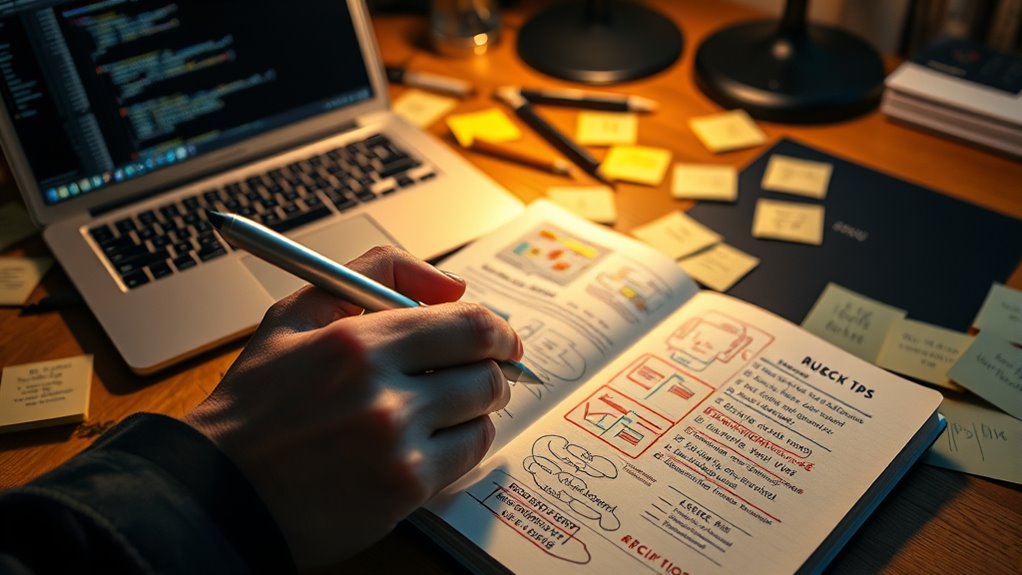
Have you ever faced a problem and wondered where to start? When tackling a new challenge, especially in programming, the first step is often the hardest. It’s natural to feel overwhelmed, but breaking the problem into manageable parts can make all the difference. One effective way is to focus on understanding the core issue thoroughly before jumping into solutions. This is where good problem-solving begins—by clarifying what you’re trying to achieve. Once you have a clear goal, you can start exploring different approaches, such as designing an algorithm that systematically guides your solution process. Algorithm design helps you plan out each step, ensuring your solution is logical and efficient. It’s like drawing a roadmap before setting out on a journey. By sketching out the sequence of actions needed to solve the problem, you avoid unnecessary detours and dead ends.
As you work through your algorithm, it’s important to anticipate potential issues. This is where debugging techniques come into play. Debugging isn’t just about fixing errors; it’s a skill that helps you understand your code and logic more deeply. When something doesn’t work as expected, don’t panic. Instead, methodically trace through your code, check your assumptions, and test small parts of your program step-by-step. Debugging techniques like using print statements, breakpoints, or an integrated debugger allow you to pinpoint where things go wrong. This process enhances your understanding of how your algorithm operates and reveals flaws that need adjustment. Over time, practicing these debugging techniques will make you more confident in identifying and fixing issues quickly.
Another key aspect of problem-solving is learning to think critically about your solutions. Don’t just settle for the first idea that comes to mind; consider alternative methods and weigh their pros and cons. Sometimes, a different algorithm or approach can simplify your code or improve performance. As you gain experience, you’ll start recognizing patterns and common pitfalls, which will help you design better algorithms from the start. Remember, problem-solving isn’t just about finding a quick fix—it’s about developing a mindset of systematic analysis, experimentation, and refinement. Practicing these skills regularly will make you more adept at approaching complex problems with confidence and clarity. Additionally, participating in hackathons can expose you to diverse problem-solving techniques and collaborative approaches that enhance your skills.
In the end, mastering problem-solving for beginners involves a combination of understanding the problem, designing effective algorithms, and applying debugging techniques to refine your solutions. Keep practicing, stay curious, and don’t be afraid to make mistakes—that’s how you learn and improve. Over time, thinking like a programmer will become second nature, and you’ll find yourself solving problems more efficiently and creatively.
Products Worth Considering

Amazon Kindle Scribe Colorsoft 64GB (1st Generation)

Sony WH-1000XM4C Wireless Noise-Cancelling Headphones, Black
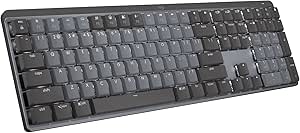
Logitech MX Mechanical Wireless Illuminated Keyboard, Tactile Quiet, Graphite
As an affiliate, we earn on qualifying purchases.
Frequently Asked Questions
How Do I Stay Motivated When Facing Difficult Problems?
When facing tough problems, you stay motivated by making a mindset shift, viewing challenges as opportunities to grow. Set clear, achievable goals to keep yourself focused and celebrate small wins along the way. Remember, persistence is key, and reminding yourself of your progress helps maintain momentum. Keep a positive attitude, break problems into manageable parts, and you’ll find it easier to stay motivated even when things get difficult.
What Are Common Mistakes Beginners Make in Problem-Solving?
Imagine trying to solve a maze blindfolded—you might miss the clear paths. Beginners often jump into coding without proper problem decomposition, making debugging techniques harder. They overlook breaking problems into smaller parts, leading to confusion and mistakes. To avoid this, focus on understanding each step clearly. You’ll find it easier to identify errors and fix issues when you approach problems methodically, just like mapping out a maze before entering.
How Can I Improve My Debugging Skills Effectively?
To improve your debugging skills, focus on making your code more readable by using clear variable names and comments. Break down problems into smaller parts to identify issues faster. Practice analyzing algorithms and look for optimization opportunities, which helps you understand the root cause of bugs. Regularly review and refactor your code to enhance readability and efficiency, making debugging quicker and more effective in the long run.
What Resources Are Best for Learning Programming Logic?
Think of programming logic as a maze—your best resources are coding challenges and logic puzzles, like those on LeetCode, HackerRank, or Codewars. These platforms immerse you in real-world scenarios, sharpening your problem-solving skills. Books like “Think Python” or “The Pragmatic Programmer” also build a solid foundation. Regular practice with puzzles and challenges helps you develop a structured mindset, making complex problems feel more manageable.
How Do I Handle Multiple Problems at Once?
To handle multiple problems at once, you should use effective multitasking strategies and prioritization techniques. Break each problem into smaller tasks, then rank them by urgency and importance. Focus on one task at a time to avoid mistakes, and allocate specific time slots for each issue. Regularly reassess your priorities, stay organized, and avoid multitasking excessively, so you can efficiently solve all problems without feeling overwhelmed.
Conclusion
Remember, every problem is an opportunity to learn and grow. For example, imagine you’re trying to create a simple calculator app. Break down the task into manageable steps: design the layout, write the code, test it. By approaching problems step-by-step, you build confidence and skills. Keep practicing, stay patient, and don’t be afraid to experiment. Over time, you’ll think more like a programmer and solve even the trickiest challenges with ease.