
📊 Full opportunity report: Build vs Buy a Prebuilt AI Workstation on ThorstenMeyerAI.com — validation score, market gap, and execution plan.
TL;DR
In 2026, the cost gap between building and buying AI workstations has narrowed or reversed due to component shortages and price spikes. Buyers must now evaluate cost, control, and thermal management options carefully.
In 2026, the long-held belief that building a custom AI workstation is always cheaper than buying a prebuilt has been overturned due to rising component costs and bulk purchasing advantages by vendors. Consumers now face a genuine trade-off between cost, control, and thermal management when choosing how to acquire their AI hardware.
Traditionally, DIY building was considered more affordable, with the primary advantage being cost savings. However, in 2026, supply chain disruptions and component shortages—especially for GPUs, DDR5 RAM, and SSDs—have driven prices sharply upward. As a result, prebuilt vendors like Lambda, Puget Systems, and BIZON, which purchase components in bulk and validate thermal performance, now offer systems at prices that are often comparable or even lower than DIY options.
These prebuilt systems come with validated thermals, burn-in testing, and warranties, reducing the risk of thermal throttling and hardware failure during intensive AI workloads. Conversely, building your own rig requires pulling five levers—undervolting GPUs, matching coolers, optimizing airflow, tuning fans, and placement—tasks that demand thermal expertise and time. The decision now hinges less on cost and more on control, time, and risk management, especially for high-end multi-GPU configurations.
Build vs buy
an AI workstation.
The real question behind this whole series: do you pull the five heat-and-noise levers yourself, or buy a prebuilt where the vendor pulled them for you? And in 2026, the old “building is cheaper” rule has broken. Match your situation in Part 3.
Why Market Shifts Change the Build vs Buy Equation
The shift in pricing dynamics affects both hobbyists and professionals. Those who previously built for savings may find prebuilt options more economical, especially when factoring in the time and expertise needed for thermal tuning. For enterprises and researchers, buying prebuilt systems with validated thermals and warranties reduces downtime and risk, making it a more attractive choice in 2026.
Furthermore, the ongoing component shortages and price spikes mean that the traditional rule—DIY is always cheaper—is no longer reliable. Buyers must now carefully compare prices for their specific configurations, considering both upfront costs and long-term reliability.

WIWB Gaming PC Desktop Core I9-14900HX, GeForce RTX 5060 Ti 8G, 16G DDR5 RAM, 1TB NVME SSD, WiFi 6, 4K 8K High-End Prebuilt PC Computer Tower for Streaming, Video Editing & Workstation Use (Black)
UNSTOPPABLE PROCESSING POWER: Powered by the Intel Core i9-14900HX processor (24 Cores, 32 Threads) with a max turbo...
As an affiliate, we earn on qualifying purchases.
As an affiliate, we earn on qualifying purchases.
Component Shortages and Market Dynamics in 2026
Since 2024, supply chain disruptions and increased demand for AI hardware have caused GPU, RAM, and SSD prices to spike. Bulk purchasing by major vendors has allowed them to offer systems at competitive prices, sometimes lower than DIY builds assembled from current market prices. Additionally, the rise of high-performance AI workstations has led to increased emphasis on thermal management, with vendors validating systems for sustained loads and noise levels.
This environment has shifted the traditional build vs buy calculus, making prebuilt systems more appealing for those seeking reliability and time savings, especially in high-end multi-GPU setups where thermal tuning is complex.
"In 2026, component shortages and bulk buying have made prebuilt AI workstations not just a time-saver but often a more cost-effective choice than DIY, especially for high-end configurations."
— Thorsten Meyer
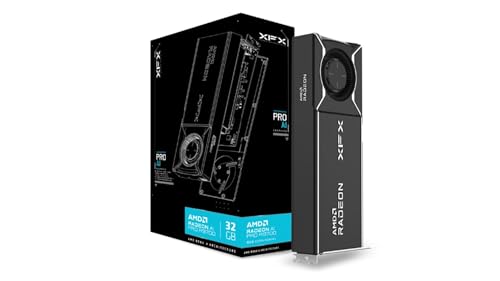
XFX AMD Radeon AI Pro R9700 32GB GDDR6 4xDP, AMD RDNA 4 RX-97XPROAIY
Chipset: AMD Radeon AI Pro R9700
As an affiliate, we earn on qualifying purchases.
As an affiliate, we earn on qualifying purchases.
Remaining Uncertainties in Market Pricing and Performance
It is still unclear how long component shortages and price spikes will persist, and whether new supply chain solutions will stabilize costs. Additionally, the actual long-term reliability and thermal performance of prebuilt systems under extreme workloads remain to be fully validated across different configurations. Buyers should consider these uncertainties when making decisions.

NEMIX RAM 128GB (4X32GB) DDR5 5200MHz PC5-41600 2Rx8 1.1V CL44 288-PIN ECC Unbuffered UDIMM Memory KIT
EXACT-MATCH UPGRADE — 128GB (4X32GB) kit DDR5-5200 (PC5-41600), 2Rx8 Unbuffered ECC, 1.1V, CL44, 288-pin. The precise rank, voltage,...
As an affiliate, we earn on qualifying purchases.
As an affiliate, we earn on qualifying purchases.
Future Trends in AI Workstation Acquisition Strategies
As the market evolves, expect further stabilization or continued volatility in component prices. Vendors may introduce new cooling technologies or validation standards, influencing the build versus buy calculus. Buyers should monitor these developments and compare prices and performance for their specific needs, especially as AI workloads grow more demanding.
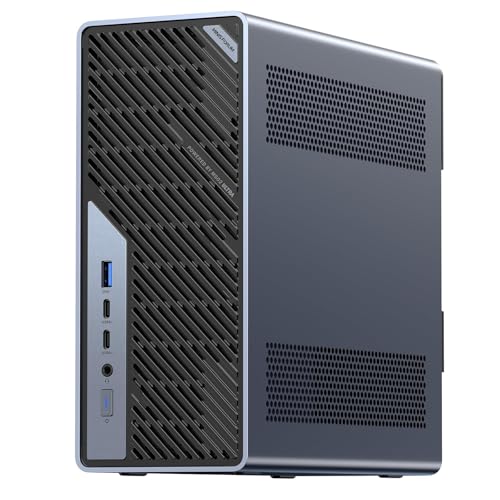
MINISFORUM MS-02 Ultra Workstation Mini PC, Intel Core Ultra 9 285HX (24C/24T, up to 5.5GHz), PCIe 5.0 x16, 32GB RAM 1TB SSD,USB4 v2 80Gbps, Dual 25GbE+10GbE+2.5GbE, Wi-Fi 7, 350W PSU
High-Performance AI Processor:The MS-02 Ultra features an Intel Core Ultra 9 285HX (24C/24T, up to 5.5 GHz, 13...
As an affiliate, we earn on qualifying purchases.
As an affiliate, we earn on qualifying purchases.
Key Questions
Is building my own AI workstation still cheaper in 2026?
Not necessarily. Due to component shortages and price increases, prebuilt systems often match or beat DIY costs for comparable configurations, especially when factoring in time and thermal management efforts.
What are the main advantages of buying a prebuilt AI workstation now?
Validated thermals, warranties, reduced setup time, and expert testing are key benefits, reducing risk of hardware failure during intensive workloads.
Can I upgrade a prebuilt AI workstation later?
Many high-end prebuilt systems allow upgrades, but some components may be proprietary or difficult to replace. It's important to check upgradeability options before purchase.
How do component shortages affect DIY build costs?
Shortages have driven prices higher for GPUs, RAM, and SSDs, making DIY builds more expensive and sometimes less available, pushing buyers toward prebuilt options.
What should I consider when choosing between build and buy?
Assess your budget, time availability, thermal management expertise, need for reliability, and whether you value control or convenience more highly.
Source: ThorstenMeyerAI.com