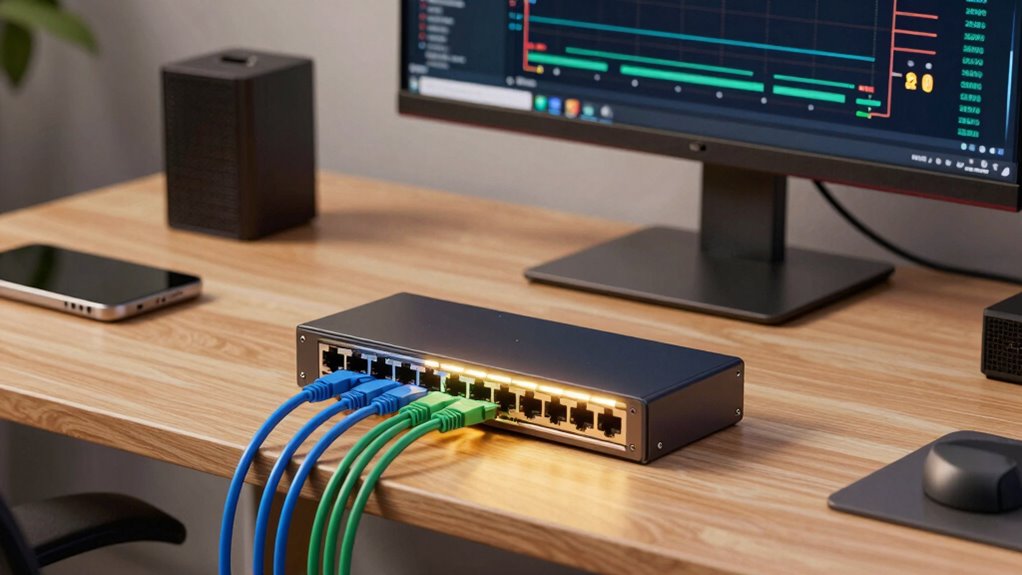

2.5GbE is the perfect balance for your home lab because it’s faster than standard Gigabit Ethernet, reducing wait times and boosting overall performance. It supports multiple devices smoothly, helps offload traffic from Wi-Fi, and is energy-efficient, saving costs. Plus, it’s affordable and easy to upgrade with reliable hardware. Staying ahead with 2.5GbE guarantees your network is ready for future demands—keep exploring to learn how to make the most of this technology.

Get business pricing on monitors, keyboards and dev gear
- Business-only prices and quantity discounts
- Tax-exempt purchasing
- Multiple users, one account, clear invoices
Key Takeaways
- Balances high performance with affordability, making it ideal for home lab upgrades without significant cost.
- Offers faster data transfer for large files, backups, and streaming, reducing bottlenecks.
- Consumes less power than 10GbE, promoting energy efficiency and lower operational costs.
- Supports future scalability with increased bandwidth for growing network demands.
- Ensures compatibility with existing hardware, simplifying installation and maintenance.
As an affiliate, we earn on qualifying purchases.
What Makes 2.5GbE the Perfect Fit for Home Labs?
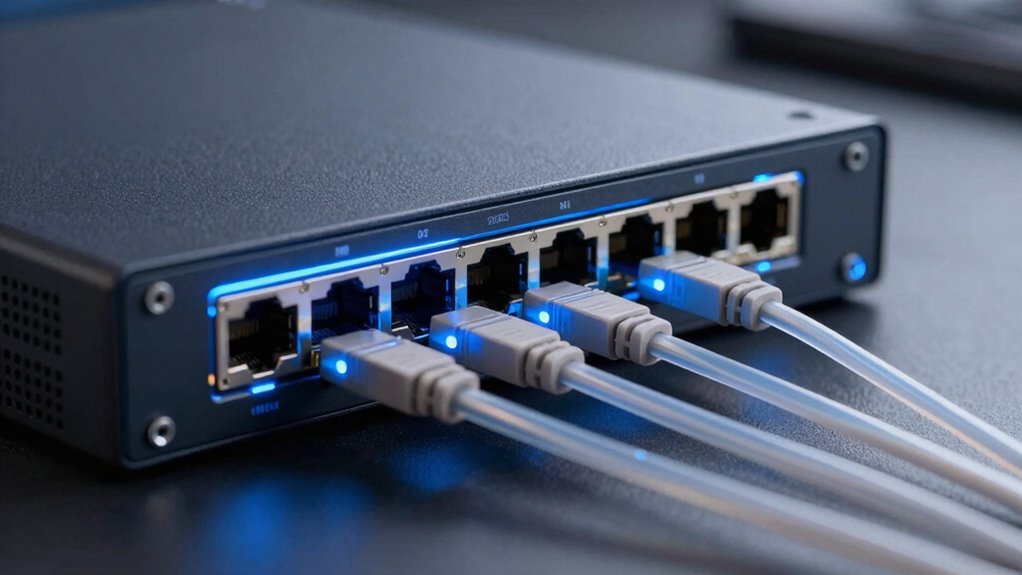
While traditional Ethernet speeds like 1GbE have been sufficient for many home lab setups, 2.5GbE offers a compelling upgrade that balances performance and affordability. It enhances network security by reducing the need for complex workarounds or multiple connections, making your setup more straightforward and secure. Additionally, 2.5GbE is designed to be energy-efficient, keeping power consumption low while delivering faster data transfer rates. This means you get improved performance without markedly increasing your energy costs or overheating issues. For home labs where reliability and security matter, 2.5GbE provides a scalable, cost-effective solution that’s easy to implement and maintain, making it an ideal choice to future-proof your network without the hefty price tag. The hardware compatibility of 2.5GbE ensures seamless integration with existing setups, further simplifying your upgrade process. Moreover, its energy efficiency contributes to lower operational costs and helps maintain a sustainable setup over time. Implementing 2.5GbE also benefits from standardized protocols, which support broad compatibility and easier troubleshooting. As technology continues to evolve, network scalability becomes increasingly important for maintaining a flexible and adaptable home lab environment.
As an affiliate, we earn on qualifying purchases.
How 2.5GbE Outperforms Standard Gigabit Ethernet
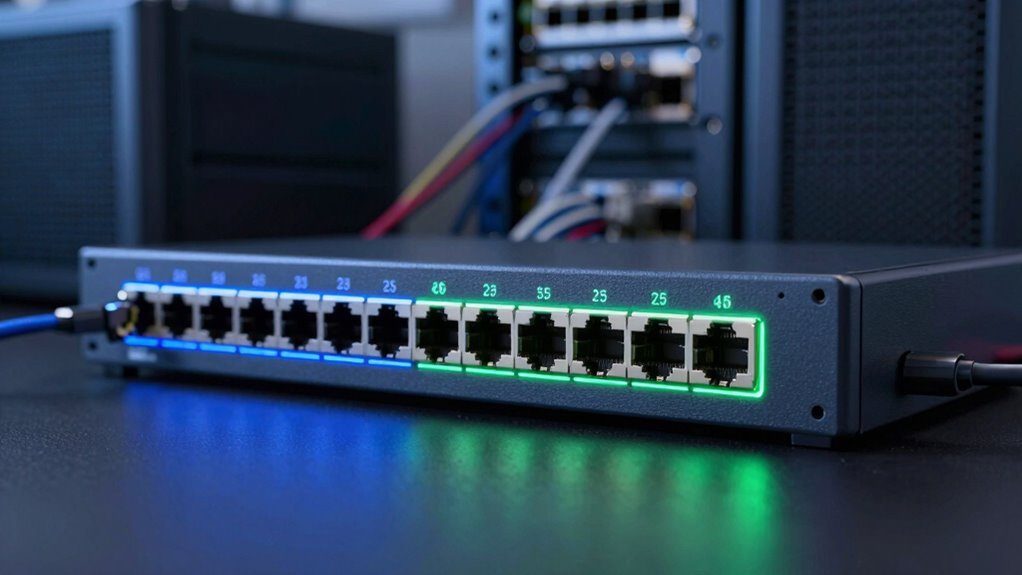
With 2.5GbE, you get markedly faster data transfer speeds compared to standard gigabit Ethernet, reducing wait times and boosting your network’s performance. It also offers improved efficiency, making your home lab run smoother and more reliably. Plus, 2.5GbE is better prepared for future upgrades, ensuring your setup stays current as your needs grow. Additionally, its compatibility with existing infrastructure makes it a cost-effective choice for many users while enhancing overall network safety and reliability. Implementing digital nomad topics can further optimize remote work flexibility and productivity within your network environment.
Faster Data Transfer Rates
Compared to standard Gigabit Ethernet, 2.5GbE offers considerably faster data transfer rates that can make a noticeable difference in your home lab. This increased speed allows you to transfer large files, back up data, and stream multimedia more efficiently, saving you time and boosting productivity. Faster data rates also enhance network security by reducing the time devices spend transmitting sensitive information, lowering exposure to potential threats. Additionally, 2.5GbE consumes less power than higher-speed alternatives, making it a more energy-efficient choice for continuous operation. This balance of speed, security, and power efficiency helps you optimize your home lab setup, ensuring reliable performance without unnecessary energy costs or security risks. Incorporating cycling gear maintenance tips can also help keep your network equipment in top condition, preventing unexpected failures.
Improved Network Efficiency
Upgrading to 2.5GbE considerably enhances your network’s efficiency by providing more bandwidth for multiple devices to communicate simultaneously. This reduces congestion, ensuring smoother data transfers and less lag. Unlike standard gigabit Ethernet, 2.5GbE handles higher data loads more effectively, minimizing delays during heavy usage. It also helps combat wireless interference by offloading traffic from Wi-Fi networks, which often struggle in crowded environments. Additionally, 2.5GbE is designed to be energy-efficient, consuming less power than higher-speed alternatives, which lowers overall power consumption in your setup. This balance of increased bandwidth, reduced interference, and lower power needs makes 2.5GbE an excellent choice for optimizing your home lab’s network efficiency without overburdening your power resources.
Better Future Compatibility
As technology continues to evolve, 2.5GbE is better positioned to meet future networking demands than standard gigabit Ethernet. It offers increased bandwidth, supporting emerging applications and higher data transfer needs. This guarantees your home lab stays compatible with future devices, minimizing upgrades. Additionally, 2.5GbE enhances network security by enabling faster data processing and better traffic management. Its energy efficiency also reduces power consumption, making it a smarter choice for long-term sustainability. Here’s a quick comparison:
| Feature | Standard Gigabit Ethernet | 2.5GbE | Future Proofing |
|---|---|---|---|
| Bandwidth | 1 Gbps | 2.5 Gbps | Supports 4K streaming, VM hosting |
| Energy Efficiency | Moderate | Higher | Lower power consumption |
| Network Security | Basic | Advanced | Better data handling |
As an affiliate, we earn on qualifying purchases.
Key Features to Look for in 2.5GbE Hardware
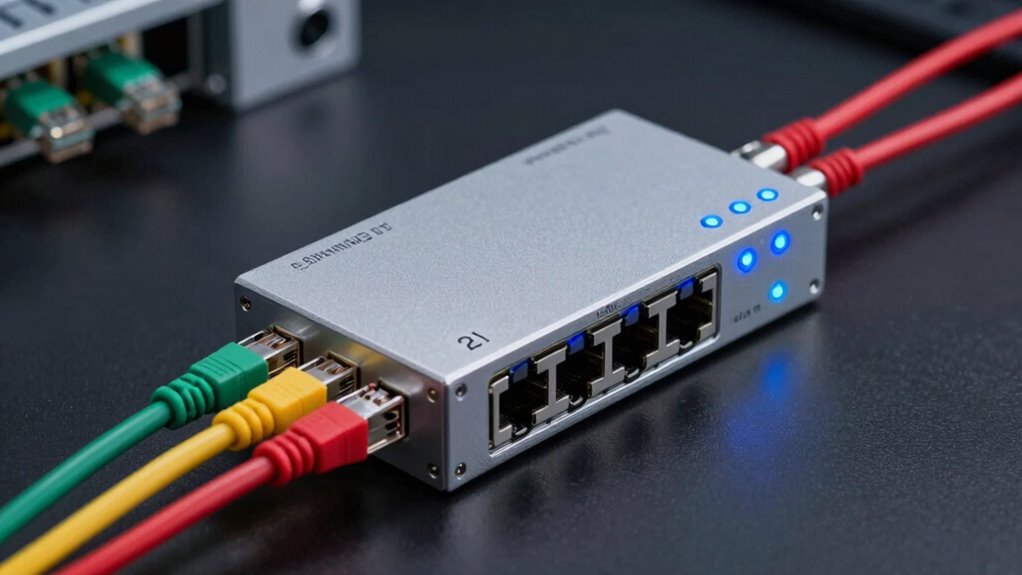
When selecting 2.5GbE hardware for your home lab, it’s essential to focus on key features that guarantee reliable and high-performance networking. Look for devices with robust network security features, such as encryption and secure access controls, to protect your data. Additionally, consider power consumption, aiming for equipment that’s energy-efficient to reduce running costs and heat output. Quality hardware with reliable connectors and support for future firmware updates ensures longevity and stability. Compatibility with your existing network infrastructure is critical, so verify that the hardware supports standard protocols and interfaces. Finally, check for easy management options, like user-friendly interfaces or remote configuration, to keep your network running smoothly without complicated setups. Incorporating smart home safety features can further enhance your network’s security by integrating automation and monitoring tools. A focus on network security is crucial for maintaining data integrity and preventing unauthorized access. Moreover, paying attention to network scalability ensures your setup can grow with your needs, avoiding frequent hardware upgrades. Exploring network monitoring tools can also help identify potential issues early, maintaining optimal performance. To further optimize your network, consider the compatibility with existing infrastructure, ensuring seamless integration and minimal disruptions.
As an affiliate, we earn on qualifying purchases.
Is 2.5GbE Affordable for Your Home Network?
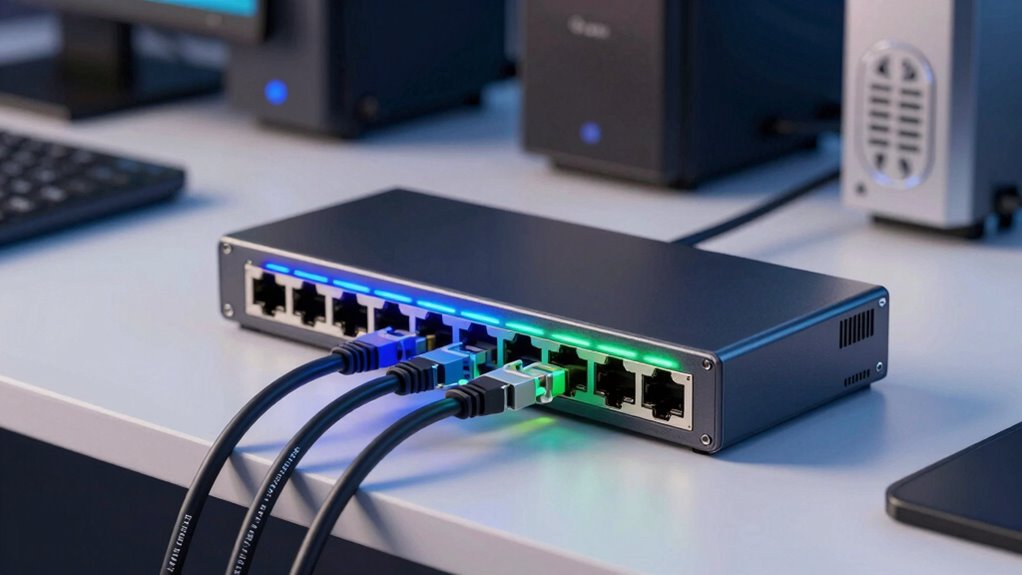
Upgrading to 2.5GbE can be more affordable than you think, especially if you already have compatible equipment. However, you’ll want to take into account the costs of new hardware and whether your current setup can handle the upgrade. A high-quality network infrastructure can also influence the overall effectiveness of your upgrade. Incorporating eco-friendly considerations can help ensure that your network remains sustainable and efficient over time. Balancing these factors helps determine if 2.5GbE makes sense for your home network. Considering the protocols used in your network can also ensure compatibility and optimal performance. Additionally, understanding the trusted resources available can assist in selecting reliable equipment and services for your upgrade. Regularly reviewing network maintenance dos and don’ts can help maintain your setup’s efficiency and longevity.
Cost of Upgrading
Wondering if 2.5GbE is a cost-effective upgrade for your home network? A thorough cost analysis helps you weigh the expenses against the benefits. Generally, 2.5GbE equipment is more affordable than 10GbE alternatives, making it a practical choice for many home labs. You’ll find that budget considerations play a significant role, especially if you’re upgrading existing hardware or building from scratch. The cost of switches, network cards, and cables has decreased over time, making the upgrade more accessible. While there’s an upfront investment, the improved speed and future-proofing can justify the expense. Overall, 2.5GbE offers a balanced blend of performance and affordability, making it an attractive option for those looking to enhance their home network without breaking the bank.
Equipment Compatibility
Determining whether 2.5GbE is a practical fit for your home network starts with checking your existing equipment. Many devices, like modern routers and network interface cards, now support 2.5GbE, making upgrades more straightforward. However, older switches or computers might lack compatible ports, requiring adapters or new hardware. It’s also essential to contemplate device compatibility to guarantee seamless integration without bottlenecks. Additionally, power consumption matters; newer 2.5GbE components tend to be energy-efficient, reducing operational costs. Upgrading might involve some initial investment, but with compatible equipment, you’ll enjoy faster speeds without considerably increasing power use. Guaranteeing your current setup supports 2.5GbE helps you avoid unnecessary expenses and compatibility issues, making the upgrade both practical and cost-effective. Considering the market trends in home networking hardware can also help you make informed decisions about future-proofing your setup.
How to Set Up Your 2.5GbE Network Easily
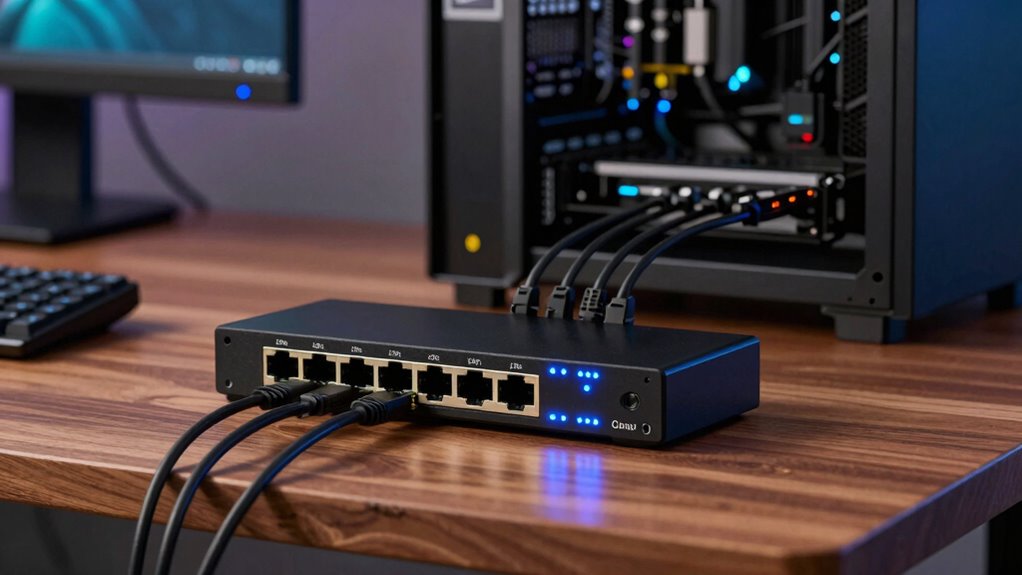
Setting up your 2.5GbE network is simpler than you might think, especially if you approach it step by step. Start by selecting compatible switches and network cards that support 2.5GbE. Use quality cables with the right specifications to guarantee peak performance—good cable management helps prevent tangles and signal interference. Configure your network devices with strong passwords and enable network security features to protect your data. Connect your devices, ensuring each connection is secure and properly labeled. Check your network’s performance with speed tests to confirm everything runs smoothly. Proper cable management not only improves airflow and maintenance but also reduces the risk of accidental disconnections. Keep your firmware up to date to maintain security and stability.
Benefits of Upgrading to 2.5GbE in Your Home Lab
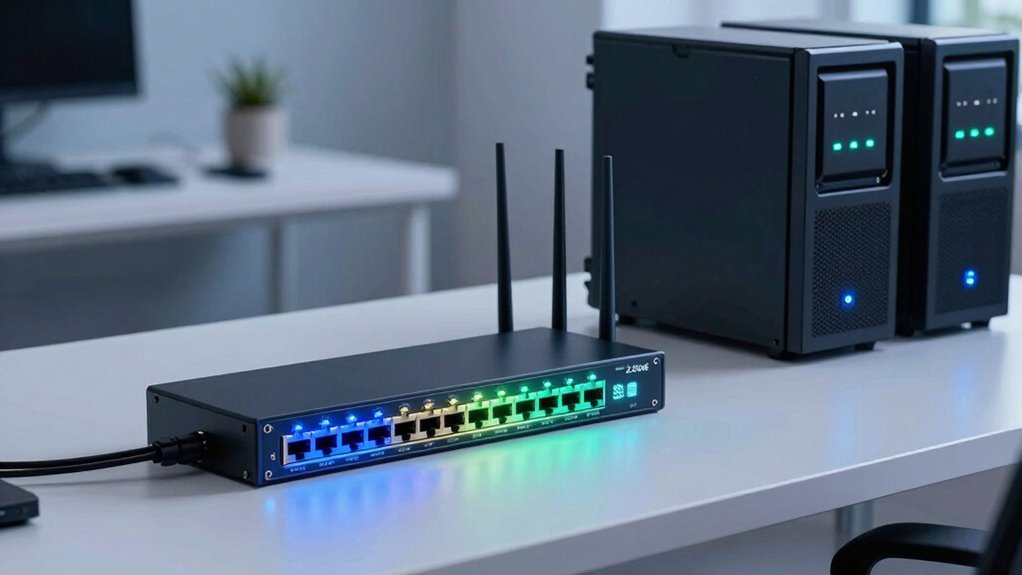
Upgrading to 2.5GbE in your home lab offers significant speed improvements that can enhance your overall experience. You’ll notice faster data transfers, smoother backups, and quicker access to shared resources. This upgrade also boosts network security by reducing bottlenecks that can be exploited, making your setup more resilient. Plus, modern 2.5GbE hardware is built with durability in mind, ensuring long-term reliability. The table below highlights these benefits:
| Benefit | Impact | Additional Notes |
|---|---|---|
| Faster Data Transfer | Speeds up workflows and reduces wait times | Supports large file transfers |
| Improved Network Security | Less congestion minimizes vulnerabilities | Less exposure to attacks |
| Hardware Durability | Longer lifespan and fewer failures | Designed for sustained use |
| Enhanced Reliability | Stable connections for critical tasks | Minimizes downtime |
| Cost-Effective Upgrade | Affordable compared to higher-speed options | Fits well in home lab budgets |
Should You Consider 2.5GbE for Future Network Needs?
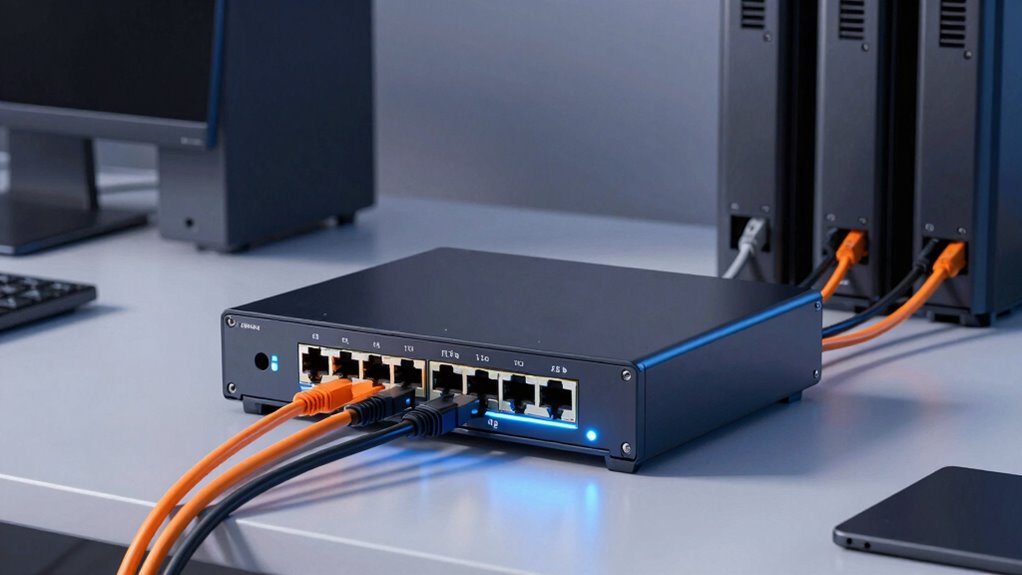
As you plan for your home lab’s future, considering 2.5GbE can be a strategic move to guarantee your network keeps pace with growing demands. Upgrading now helps you handle increased data transfers, enhancing streaming performance for 4K or multiple streams without lag. It also supports better network security by reducing bottlenecks that could expose vulnerabilities or slow down traffic inspection. 2.5GbE provides a balance between cost and performance, making it a smart investment for future-proofing your setup. As your home lab evolves, this upgrade ensures your network remains reliable and responsive. Whether for media streaming, backups, or expanding storage, 2.5GbE positions your network for scalability, security, and seamless performance down the line.
Frequently Asked Questions
Can Existing Ethernet Cables Support 2.5gbe Speeds?
Yes, many existing Ethernet cables can support 2.5GbE speeds, especially if they meet the Cat 5e or Cat 6 standards. To guarantee peak performance, check your cable installation and confirm the category of your Ethernet cables. Upgrading older or lower-category cables might be necessary for consistent 2.5GbE speeds, but often, your current setup is sufficient without any changes.
What Are Common Compatibility Issues With 2.5gbe Devices?
You might face compatibility issues with 2.5GbE devices due to interoperability challenges, especially if your network gear isn’t designed for multi-gig speeds. Often, firmware update requirements are necessary to guarantee devices communicate properly. Check if your switches, routers, and NICs support 2.5GbE and keep their firmware up-to-date. Failing to do so can lead to connection problems or limited speeds, hampering your network’s performance.
How Does 2.5gbe Impact Network Latency?
You’ll notice that 2.5GbE reduces network latency by easing network congestion, especially during high data transfer tasks. This faster data flow means your devices communicate more efficiently, cutting down delays. As a result, streaming, gaming, or file sharing feels smoother. By lowering latency, 2.5GbE enhances your home lab experience, ensuring quicker response times and more reliable connections without needing the full speed of 10GbE.
Are There Specific Brands Known for Reliable 2.5gbe Hardware?
You’ll find that brands like Intel, Netgear, and QNAP are known for reliable 2.5GbE hardware. Their strong brand reputation assures you of quality, and their products tend to have good longevity. When selecting hardware, prioritize these brands for consistent performance and durability. You can confidently invest in their switches, NICs, or adapters, knowing they’re trusted by many users for home labs and small business setups.
What’s the Typical Power Consumption of 2.5gbe Switches?
Imagine a sleek, compact switch quietly humming on your desk, barely noticeable. Typically, 2.5GbE switches consume around 10-20 watts, making them highly energy-efficient. Thanks to advanced power management features, they optimize energy use during low activity, reducing electricity bills and heat output. This balance of speed and efficiency makes 2.5GbE switches ideal for home labs, providing reliable performance without hefty power demands.
Conclusion
Upgrading to 2.5GbE transforms your home lab into a faster, more reliable network, much like upgrading from a bicycle to a sports car. It’s affordable, easy to set up, and future-proof, ensuring you handle modern data demands effortlessly. Think of 2.5GbE as the sweet spot—offering impressive speed without breaking the bank. Embrace this upgrade, and your home network will run smoother, supporting your growing tech needs with ease.
Fall Picks
fall essentials
As an affiliate, we earn on qualifying purchases.